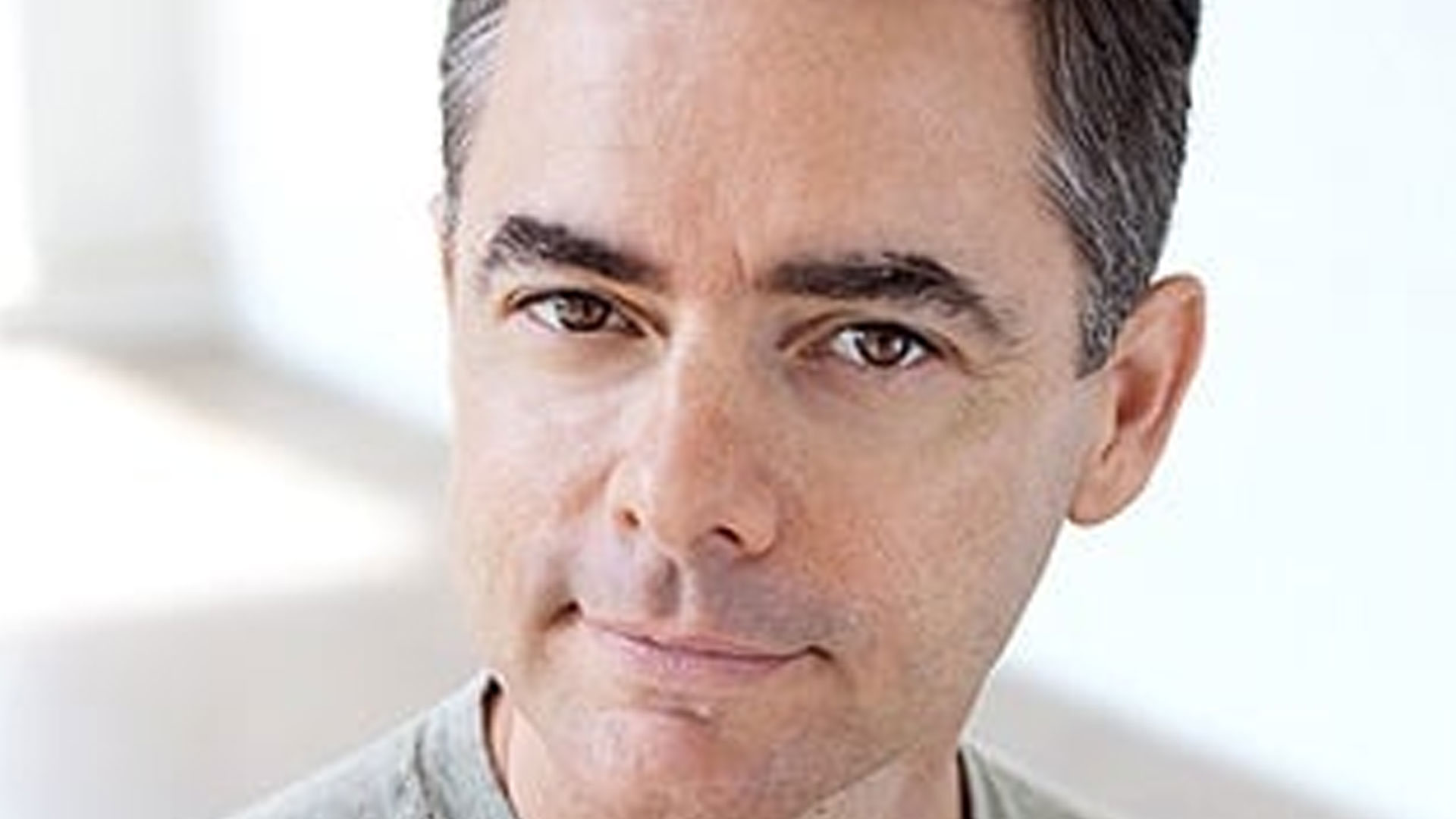
JAWS 2 star Marc Gilpin has died at the age of 56 after a long battle with cancer.
Gilpin played the younger son of Roy Scheider’s Police Chief Martin Brody in the 1978 sequel to the blockbuster Jaws, directed by Steven Spielberg.
3

3

3
His older sister, Frasier actress Peri Gilpin, announced his tragic death, according to The Hollywood Reporter.
He passed away in Dallas, Texas, after battling glioblastoma – a fast-growing and aggressive brain tumour.
A fundraiser was set up in May last year to help Gilpin, his wife Kaki, and their two sons as they “faced the unimaginable”.
Gilpin beat hundreds of other boys to be cast as Sean Brody in Jaws 2 – and he was 11 when the film hit cinemas in 1978.
A year later, Gilpin was on NBC’s CHiPs and appeared with his younger sister, April, on ABC’s Fantasy Island.
In 1981, the youngster starred in The Legend of the Long Ranger and Earthbound.
After working on NBC’s Silver Spoons and ABC’s China Beach and in the 1989 movie She’s Out of Control, Gilpin left the acting world and became a software engineer.
He worked for a start-up company and another firm where he earned several software patents, his family said.
Most read in Showbiz
Gilpin’s sister, Peri, found fame on the NBC hit comedy Frasier as Roz Doyle.
In 2020, rare photos from the set of Jaws showed how the infamous shark came to life.
The 110 colour snaps were taken by Charlsie Bryant, the script supervisor for the classic 1975 film, and have been in her family ever since.
The collection features candid snaps of director Spielberg, including one of him on a boat with no shirt on while a crew member wrestles with the rubber shark in the water.
What is glioblastoma?
A GLIOBLASTOMA is the most common high grade primary brain tumour in adults.
More than 2,000 people are diagnosed with the aggressive tumour each year in the UK, according to University College London.
It is an aggressive form of cancer, and it’s rare for someone diagnosed to survive beyond five years.
Glioblastomas are grade four brain tumours and are sometimes called glioblastoma multiforme, the NHS states.
It is a type of glioma, one of the most common types of primary brain tumours – making up around a third.
The cancer begins in the brain and almost never spreads to other parts of the body.
However, its complexity makes it difficult to treat.
There are no known causes of glioblastoma, as is the case with most brain tumours, therefore, there is no clear way to prevent the disease.
The symptoms can initially be quite non-specific.
People may confuse their symptoms for various other problems, such as stress or even a hangover.
Symptoms to look out for are:
- Headaches
- Loss of appetite
- Nausea and vomiting
- Loss of balance
- Mood swings
- Problems speaking
- Problems with memory or concentration
- Seizures
- Impaired vision
For most people diagnosed with glioblastoma the life expectancy is between 12 to 15 months.
Those who decide not to have treatment are expected to live for around three months.