
Raking It In: How Titan Company is Reinventing itself
Bengaluru’s Electronic City is dotted with the big boys of the information technology sector. Amid that frenetic world, a 6.5-acre picturesque campus, which houses India’s largest watch and jewellery company, stands out.
Titan company is making waves. The modest 1984 joint venture between Tata Industries and Tamil Nadu Industrial Development Corporation has, over the years, grown to become the second-most valued company within the Tata Group after TCS with a market cap of Rs 3.6 lakh crore, way ahead of the much older Tata Steel, Tata Motors and Tata Power. In FY25, Titan got past the Rs 50,000 crore revenue mark. That took close to 40 years. But the next Rs 25,000 crore came in just one year—FY26.
The growth has been scorching. Sample this: Over the past five years, companies in the BSE Sensex have grown their revenue by 104%. Titan’s revenue is up 282% (see graphic, Titan’s Outperformance). The company, say industry watchers, has been one of the most understated successes of the Tata group. The four-fold growth in revenue and three-fold rise in profit since FY20 has come through a mix of sound strategy and doggedness.
But what about the future considering that the prime minister’s call for buying less gold to reduce imports and raising of import duty on gold from 6% to 15% has hit all jewellery companies?
For Titan, reinvention comes easy. The company—which started as a watch maker and forayed into jewellery years later—is now focused on becoming a lifestyle player. The entry into adjacencies such as eyecare, fragrances, sarees, as well as global sales—it entered Europe way back in 1993 and bought Dubai-based jewellery chain Damas in 2025—should help it sail through the turbulence. But first, the story of how the Tatas built Titan into their enduring crown jewel.
Getting the Basics Right
“Restless and responsible” is how Managing Director Ajoy Chawla, a Titan lifer, describes the company as it enters its 43rd year. This is a core part of the organisation and translates into product innovation, retail innovation, new products, new ideas and new categories. “That’s what has created us,” he says. “Around 20% of our workforce is Gen Z and a large chunk is Gen Y,” he says.
The number of employees in jeans inside the Bengaluru campus gives it the vibe of a cool start-up. The language is easy and the atmosphere is languid but not casual. Deep inside is an innovation factory that quietly ticks away with remarkable precision.
A mention of the word risk connotes a certain element of chance or a high probability of things not working out. To Chawla, who took charge this January, it comes down to a set of conditions that give you an opportunity to grow. “Not grabbing is the bigger risk,” he says.
With frenetic growth, Titan has become a complex entity. “We started life as a single brand in a single category. Today, we have multiple categories with many brands,” says Chawla. Titan’s approach is flexible and simple. “We have recognised that we may need multiple brands to win in any category. It’s exactly what we have done. In perfumes, too, we have Skinn and Fastrack, and can always add another,” he says. There are no licensed brands here, though in watches, the tack has been different, with a mix of both. Helios addresses the opportunity in multi-brand watch retailing.
Manoj Menon, Head of Research at ICICI Securities, says Titan’s business is going strong. “Jewellery growth remains in the mid-40s, but more importantly, consumer growth has improved and buyer additions have turned positive, which was not the case earlier. This suggests demand is holding up even at high gold prices,” he says. According to him, growth is coming not just from pricing but also volume and ticket size. “Store productivity is also strong, indicating the model is working well at scale.”
Creating Robustness
Titan was among the earliest lifestyle companies to give importance to retail experience. The result was its first company-owned showroom way back in 1990 in Mumbai.
The reimagined “store experience” became the bulwark and helped scale up each of the businesses. The foray into jewellery was inspired by companies in markets like Europe that were tapping opportunity in adjacencies.
In sarees, the business case is obvious. With a large part of the segment unorganised, it is right up Titan’s alley. “Yes, it is driven by what we can do in retail, but that is not a filter. At the same time, if a retail opportunity exists, we can leverage our existing strengths,” says Chawla, pausing briefly before gathering his thoughts on the other forays. “Perfumes are not a retail-led play but more distribution-led. Eyewear is a retail play and, in fact, more retail service since it’s about optometry.”
Bags, too, are distribution-led. “It’s fair to say we have developed a certain approach on the business model both from the point of view of retailing and serving the consumer,” says Chawla.
With Taneira, Titan has entered the ethnic wear market, with sarees accounting for a large chunk of that. “Both jewellery and sarees play on India’s pride and its deep cultural heritage. People keep saying sarees is a dying category, but it’s been alive for 5,000 years,” he says.
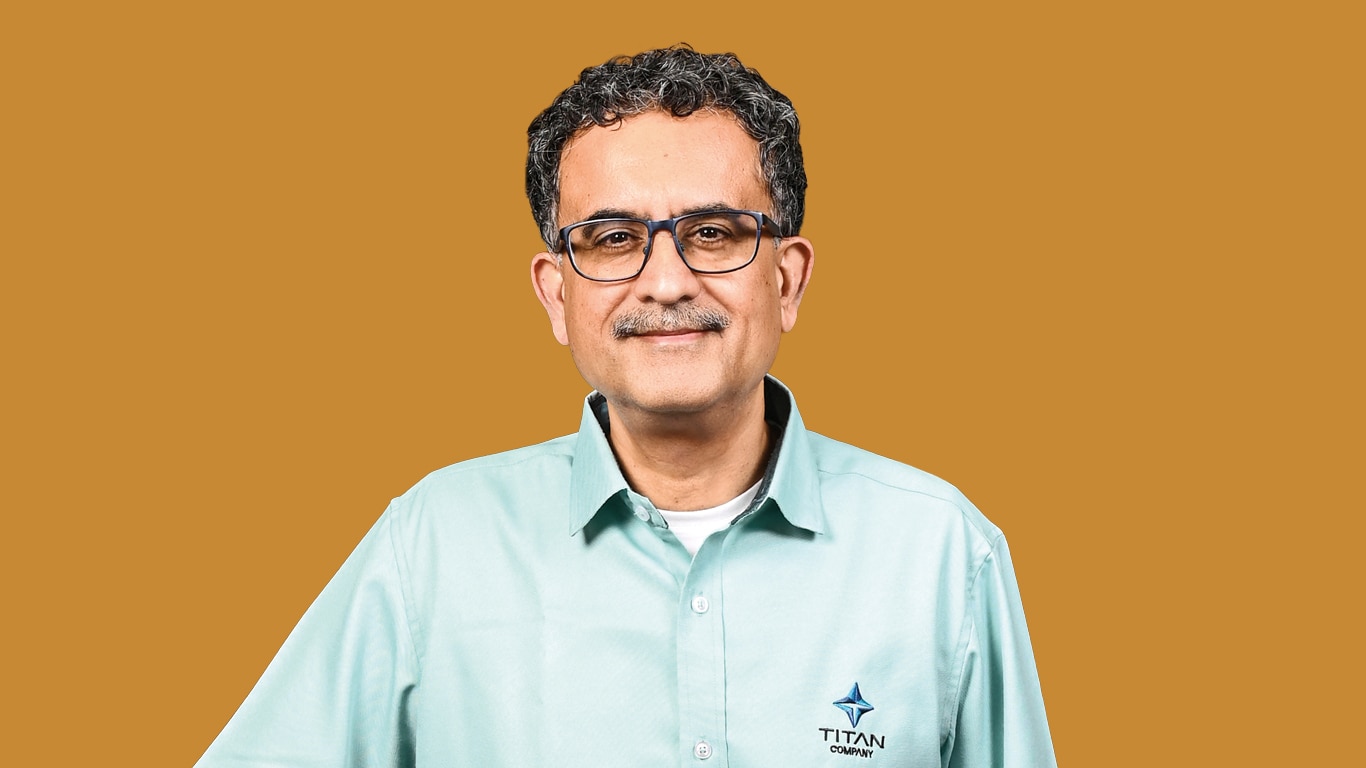
Zoya, Mia, CaratLane cater to different user segments. Beyon, a laboratory-grown diamond jewellery offering launched late last year, adds to that portfolio. The category is just 10-12% of the market.
-ARUN NARAYAN,CEO, JEWELLERY DIVISION, TITAN
Naveen Trivedi, Senior VP, Research Analyst (Consumer & FMCG), Institutional Equities, Motilal Oswal Financial Services, says Titan is uniquely positioned due to brand recall. “This is particularly true when most of its product categories are largely driven by regional, local and unorganised brands,” he says. Jewellery, eyecare and watches, he says, have been dominated by unorganised players. “Titan has built high brand recall around trust, consistency and improvisation. Plus, these categories have enough legs to keep the momentum over the next three-five years.”
Chawla gives a few interesting insights that helped carve out key components of the long-term strategy. “When we initially did sunglasses, we realised the category was about eyewear and sunglasses is a part of it,” he says. A programme called Future Shock saw the company moving from a brand extension-led approach to one that was category-led, since the focus was now about building the category.
“When we applied the category-led play, we took a look at our strengths. It was clear we did well when we served white spaces. That meant either the market was underserved, underpenetrated or the category was unorganised,” says Chawla. Picking out the cases of Titan and Tanishq, he says value was created not by taking share from anyone. “We went in and served the customer better and grew. Yes, the category may have also grown but it was not about a win-loss approach.” The company positioned itself as a lifestyle, brand-driven, design-differentiated player, with an ability to create value for customers in categories “where he/she may be underserved or the category is unorganised or underpenetrated.” That’s where Titan had the best chance of success. “To all this, a scale requirement was put, and we said that we should serve at least a million customers a year or hit Rs 1,000 crore,” says Chawla.
Just Be At It
The ability to stay the course stands out. Titan got into jewellery in 1996, with the first few years being extremely challenging. The eyecare foray came in 2007, while Skinn fragrances were launched in 2013.
“When I am building a business, it’s not with today in mind but the next 5-10 years,” says Raghavan N S, the CEO of the eyewear division. The task is to balance vision and fashion. “My multi-price, multi-brand model needs to gel with this. Plus, I must do that in about an 800 sq ft store where 100 square ft is for the clinic,” he says.
As technology enters every facet of the business, Fastrack recently launched AI-enabled eyewear that connects to your phone, helps you listen to music and even ask questions on which movie to watch or flight options to consider.
“The next step will be launching glasses with a camera. One day, your hearing will be integrated into the eyewear,” says Raghavan. In mid-2024, the division entered premium sunglasses with the Runway brand. “We saw traction in the market,” he says. Plus, the category is brand-led, with a clear opportunity for premiumisation. Runway has eight stores, largely in premium malls, each around 300 square feet; the ticket size is Rs 25,000-30,000. “Anything above Rs 15,000 can be called premium. The mid-segment is Rs 5,000-10,000,” says Raghavan.
Titan Eye Plus has had to bring down the number of stores to 832 in the face of aggressive expansion by Lenskart, the largest player with over 2,400 stores in India. “Our focus is on great customer experience, and I would rather do that with a smaller network,” says Raghavan. Motilal Oswal’s Trivedi says Lenskart has focused on value offerings with a wide product range. “Consumer convenience by adopting technology plays a role in adding users. It is critical for Titan to crack this,” he says. Eyecare has reported steady growth through support from lenses and premium or international brands. “The more important shift is the focus on store productivity (both closures and renovations) rather than aggressive expansion. This indicates improving capital discipline and should support stable margins,” says ICICI Securities’ Menon.
Nowhere is premiumisation clearer than in fragrances. For a long time, it was really a deodorant market. In the last five years, the emergence of multiple D2C brands has changed the script. Ranju Mohan, FMCG veteran and founder of Ikigrow, a start-up specialising in air freshners and personal care, says perfumes enjoy a premium imagery. “That has helped in the obvious shift to premiumisation,” he says.
Post Skinn, Titan had launched Fastrack, a mass fragrances brand, in end-2019. Mohan says Skinn was positioned as the bridge between base pricing (MRP of around Rs 1,200) and imported luxury offerings that are upwards of Rs 5,000. “The sweet spot started at Rs 2,000. It coincided with Gen Z making the move to perfume and slowing growth in deodorants,” he says. Titan has perhaps not played fully to its strengths in the fragrances market in India
That said, this is a time-consuming business. Manish Gupta, CEO, Fragrances and Fashion Accessories, says for some of the top fragrances brands globally, it takes at least six years to launch a variant. The nearly Rs 5,000 crore fragrances market is growing in double digits. This is a business where companies need to pick up trends to launch the right products. “Right now, beach and salt are trending,” he says.
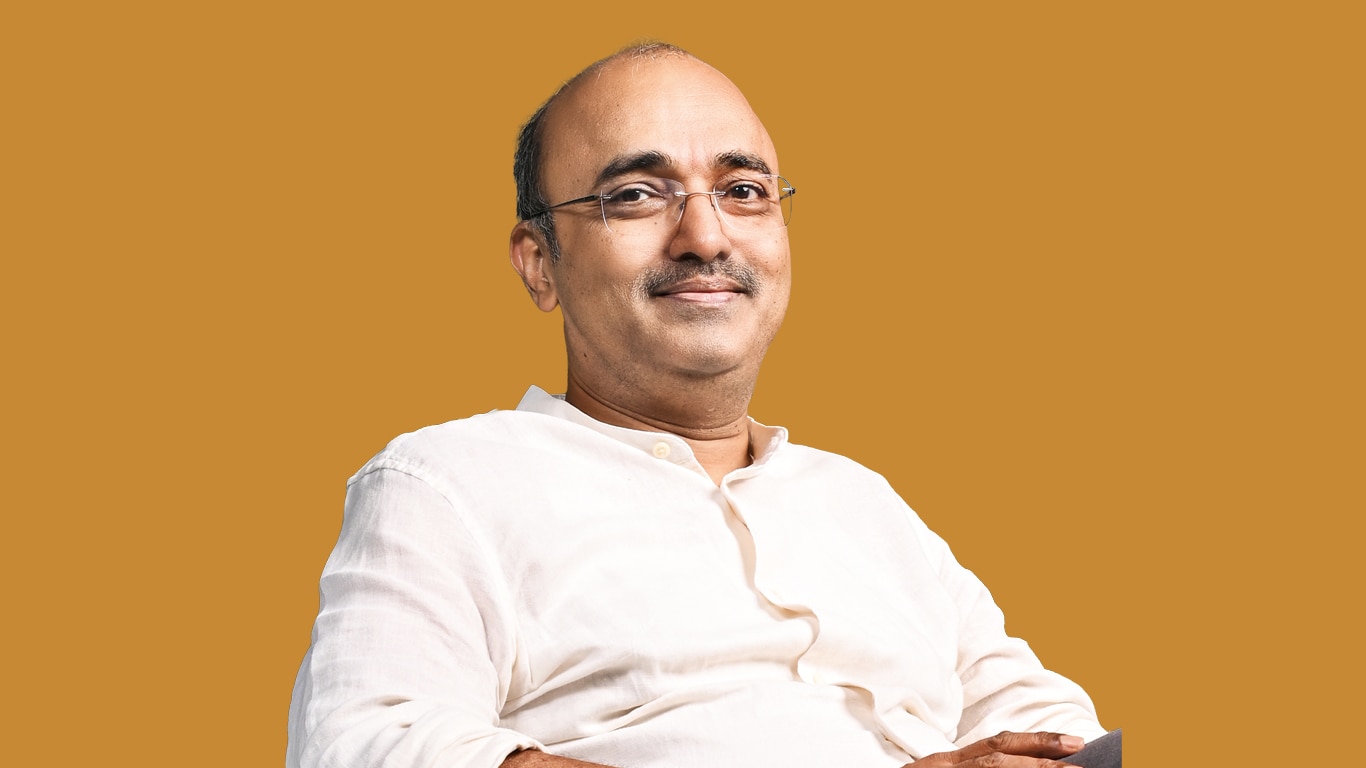
For some of the top fragrances brands globally, it takes at least six years to launch a variant. Right now, beach and salt are trending.
-MANISH GUPTA,CEO, FRAGRANCES & FASHION ACCESSORIES, TITAN
Another challenge in fashion accessories is the sudden end of a trend. During the pandemic, Gupta and his team looked at their backpack business, under Fastrack. “Commoditisation had set in. Laptop companies were giving away bags and there were too many players,” he says. Eventually, they exited the space and moved to what looked interesting—women’s handbags. “Every woman carries one regardless of social strata. Bags are flaunted.”
The opportunity was compelling. A fragmented market with potential for growth played right into Titan’s established playbook. Fastrack was already in small handbags and understood the supply chain. This led to women’s handbags brand Irth. Most of it is sold through e-commerce, Fastrack stores and department stores. A large chunk Fastrack’s offerings are between Rs 600 and Rs 2,500. “Irth’s play is Rs 2,500 to around Rs 8,000,” says Gupta. In accessories, a well-established brand lends itself to being scaled up. Gupta speaks of how Skinn Nox was launched at Rs 4,000 and Oud at Rs 5,000. “The product road map is beautifully designed for the next two years at least.”
The Core
Thirty years after Tanishq opened its first outlet (in Chennai in 1996), jewellery is a major chunk of the business for Titan. One of the reasons for its success is a realisation that jewellery is more about culture than just fashion. Like watches, Titan transformed the category, characterised by unorganised players, by bringing in more transparent processes and scaling up.
Arun Narayan, CEO (Jewellery Division), says the category is moving towards a clear differentiation. “Zoya, Mia, CaratLane cater to different user segments. Beyon (a laboratory-grown diamond jewellery offering launched late last year) adds to the portfolio. The category is just 10-12% of the market, ” he says.
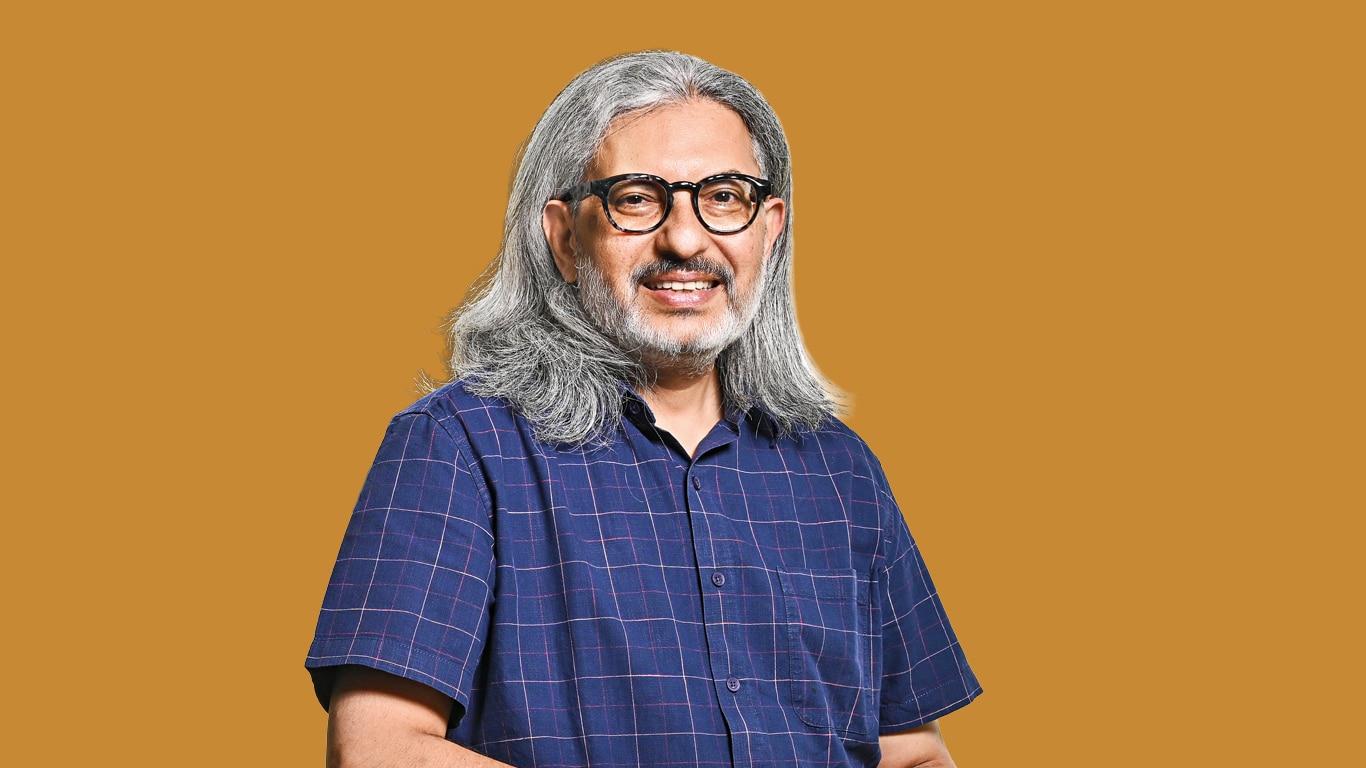
The Rs 25,000-plus watch market has grown substantially in the last five years. That is a dramatic shift that has taken place.
-KURUVILLA MARKOSE,CEO, WATCHES DIVISION, TITAN
In spite of the leadership in jewellery, Narayan says there is no question of behaving like an established player. “The brand has always been a challenger and operates in the category with that mindset,” he says. The 48% surge in jewellery revenue in FY26 was helped by a rise in gold prices. “Nobody expected it to be so dramatic,” he says. At the same time, this is still an industry where demand remains resilient even in the face of high inflation.
The pandemic too led to a change in mindset. “Not just in India, but in other markets like China as well, youngsters moved to gold. We need to continue making it exciting for them,” says Narayan.
The overseas foray has been a part of Tanishq’s story for a while. It has ten stores in the US, around 25 in West Asia and one in Singapore. The purchase of Dubai-based Damas LLC last July has strengthened the company in the region. “Damas will target its own set of customers, who are Arabs and Europeans, while Tanishq’s core (base) is Indians and south Asians,” he says.
In 2016, Titan acquired a 62% stake in jewellery retailer CaratLane, followed by another 23% eight years later. “It gave us the omnichannel part, which we have now plugged into Tanishq and Mia.”
The domestic jewellery market, says Menon, should continue to compound. “But the key new driver is international, across regions. Overall growth should be driven by a better mix (premium, studded), strong execution and gradual global expansion.” In India, Tanishq managed to get it right in historically difficult markets like Tamil Nadu and West Bengal, where regional brands rule the roost. It made the brand more local by onboarding local celebrities and adapting to cultural nuances.
Narayan says conversations with today’s consumer are about “what’s new” as opposed to what is today’s gold rate. “That’s how much they have evolved. The design sensibility and exposure to social media is homogeneous,” he adds.
In watches, too, despite a dominant share, Titan has a strong desire for growth. The Rs 26,000 crore watch industry is split between two price segments—less than and above Rs 25,000. “The latter has grown substantially in the last five years,” says Kuruvilla Markose, CEO (Watches Division). About a decade ago, that split was 80% in favour of watches priced less than Rs 25,000. It makes sense to invest in a segment where consumer spends are higher.
“Our strategy will be to defend and dominate that market,” says Markose. With a growth rate of about 10% each year, the base is large. The Rs 25,000-1 lakh price band is a Rs 5,000 crore market, while that between Rs 1 lakh and Rs 5 lakh is another Rs 4,000 crore. “This is the segment where we want to play and one that, we believe, will grow over 30% each year,” he adds.
Jewellery is expected to dominate Titan’s revenue pie for a long time. That said, the numbers present some food for thought. Each year, that business brings in around three million new customers, while for watches, the number is around 17 million, making it the largest contributor. “From here, they become consumers of Tanishq or our eyecare products or fragrances,” says Markose.
The lessons from the past are invaluable but Chawla thinks differently. “If you want to win in a new category, you have to immerse deeply into it,” he says. One must build on the learnings and insights but also keep reframing the opportunity.
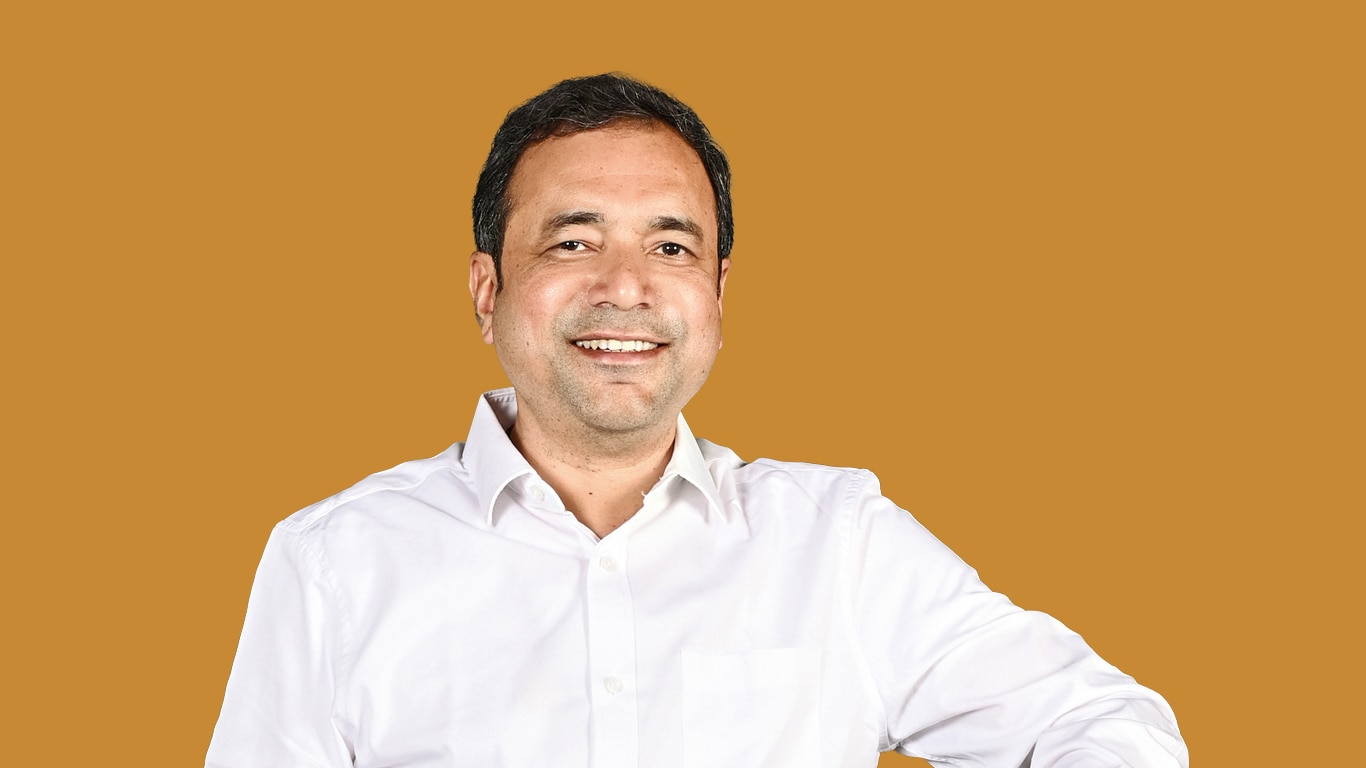
When I am building a business, it’s not with today in mind but the next 5-10 years. The task is to balance vision and fashion. My multi-price, multi-brand model needs to gel with this.
-RAGHAVAN N S, CEO, EYECARE DIVISION, TITAN
In the world of marketers, there is a constant need to differentiate oneself. “While that is the right thing to do, the question is, how relevant are you,” says Chawla. To get that right, a company must be innovative. He says there are three components to it—innovation in materials and design (watches is one example), followed by technology (Karatmeter in Tanishq or high-quality optometry machines in eyecare or automation in general) and, finally, at the retail level (through Rivaah wedding jewellery).
At Titan, the credo of simplicity is conspicuous. “In trying to remain relevant, we may not come across as different. So, the balance between the two must be managed well, and that’s not easy,” says Chawla. Titan has successfully done that over time, and now, it is about more competition, changing consumption patterns, technological disruptions and quickly adapting to all this.
@krishnagopalan
