
Pikachu instrumental in OpenAI copyright U-turn on Sora app?
As early reviews of the new Sora video generator app cited numerous uses of copyrighted figures, OpenAI has already rowed back on its copyright stance.
OpenAI officially launched its new TikTok-type AI video generator social app Sora on 30 September via livestream. Despite being invite-only, it shot to number 1 on the Apple App store on Friday (3 October).
Then came the slew of reviews and articles criticising the app’s use of copyright materials and figures. A review of the feed by the Guardian on Saturday, for example, noted that it was full of copyrighted characters from SpongeBob to South Park to Pokémon, not to mention a range of racist and violent content featuring them.
Talent agents and studios had received notifications from OpenAI ahead of launch warning them that copyrighted materials will be used unless the creators or owners actively opt out. According to Reuters, Disney became the first to take up the ‘opt-out’ option, barring the platform from using its considerable bank of copyrighted material on the app.
Now OpenAI is reversing course somewhat and will offer rights owners “more control” over the use of their materials. Varun Shetty, OpenAI’s head of media partnerships, told the Guardian it will now “work with rights holders to block characters from Sora at their request and respond to takedown requests”.
“We have been learning quickly from how people are using Sora and taking feedback from users, rights holders, and other interested groups,” said Altman in a blog on Saturday (4 October). “We of course spent a lot of time discussing this before launch, but now that we have a product out we can do more than just theorise.”
Altman says two major changes are coming “soon” with more changes to come.
“First, we will give rights holders more granular control over generation of characters, similar to the opt-in model for likeness but with additional controls,” he said, adding that while rights holders are excited about the possibilities of a new kind of “interactive fan fiction”, they also want the ability to specify how their character can be used, “including not at all”.
While rights holders will get more granular control, Altman warned that some edge cases will get through that should not, “and getting our stack to work well will take some iteration”.
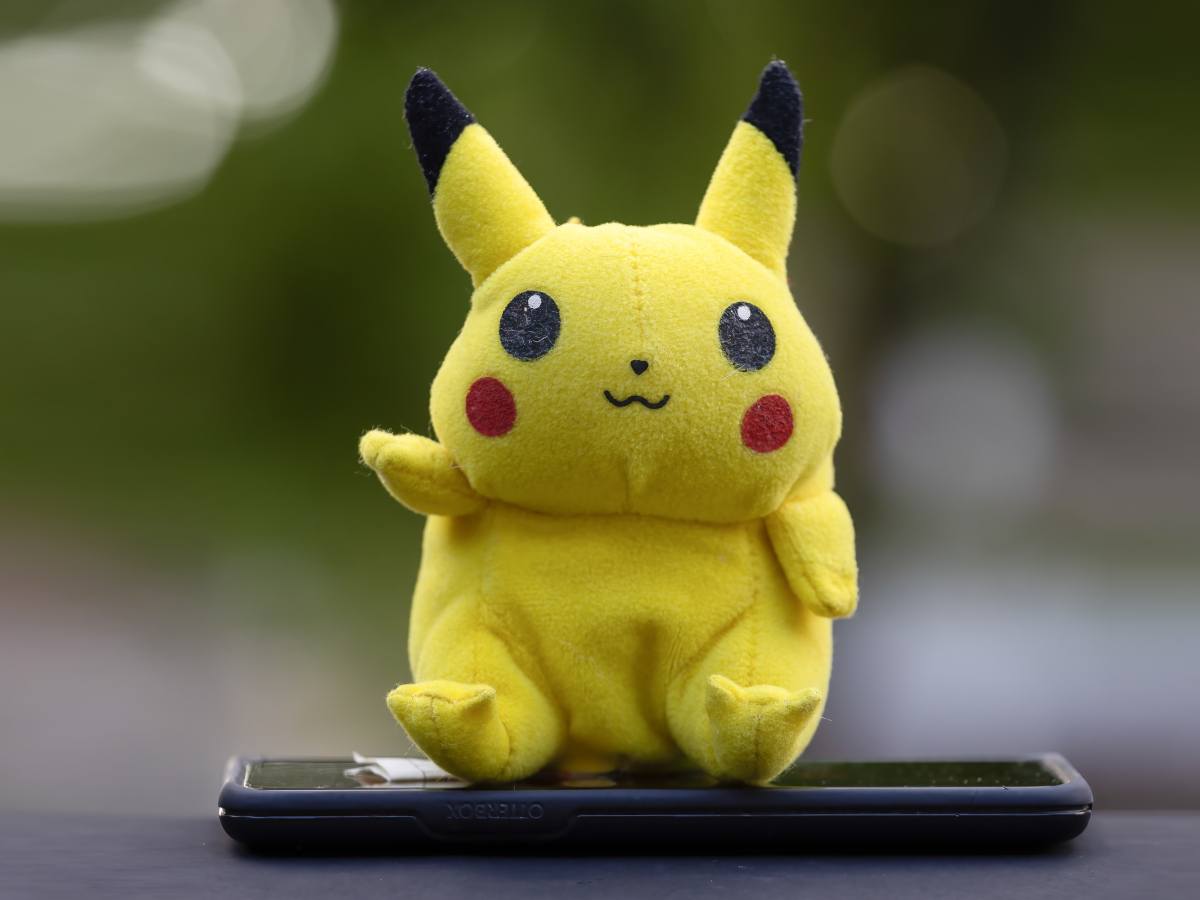
The Guardian review pointed to a huge range of Pokémon videos in the feed – including of Pikachu raising tariffs on China and stealing roses from the White House Rose Garden – prompting what appeared to be a direct reference from Altman. He said OpenAI would like to acknowledge in particular the creative output of Japan: “We are struck by how deep the connection between users and Japanese content is!”
Where’s the money?
The second big change, said Altman, would be around how OpenAI monetises Sora, as he admits that they were caught off guard by the amount of AI videos being generated per user.
“We are going to have to somehow make money for video generation,” he said. “People are generating much more than we expected per user, and a lot of videos are being generated for very small audiences. We are going to try sharing some of this revenue with rightsholders who want their characters generated by users.”
He said the exact model will take some trial and error to figure out, but work on this would start very soon. “We will make some good decisions and some missteps,” Altman conceded. “But we will take feedback and try to fix the missteps very quickly.”
Don’t miss out on the knowledge you need to succeed. Sign up for the Daily Brief, Silicon Republic’s digest of need-to-know sci-tech news.
