
Narayana Murthy’s endorsement of a ‘9,9,6 China’ work week rekindles debate on India’s work culture
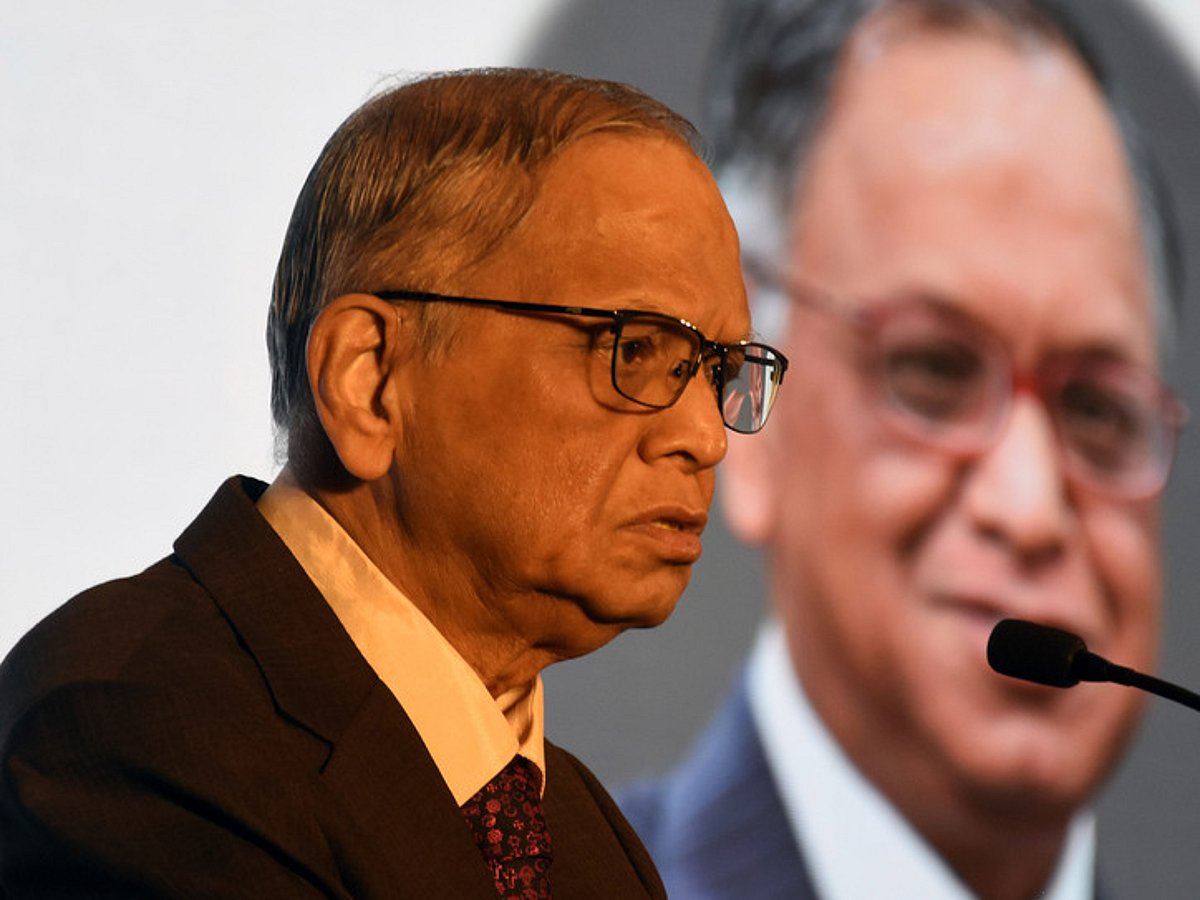
Economists and some business leaders, however, offered a more sympathetic view of Murthy’s position. They note that his argument reflects a broader concern about India’s competitive preparedness and demographic opportunity. With a large young workforce, they say, building a culture of excellence and strong work ethic is essential for lifting per-capita productivity. But even supporters acknowledge that higher hours cannot substitute for systemic improvements in efficiency, training, digital infrastructure and workplace design.
Interestingly, the debate has unfolded at a moment when Infosys—Murthy’s own company—has taken a noticeably different stance. The organisation has begun alerting employees who log more than around nine hours a day during remote work, reminding them to maintain work-life balance. This signals the broader corporate shift underway: companies are increasingly wary of burnout, attrition and the reputational risks associated with unhealthy work cultures.
Taken together, the reactions underline the widening gap between older views of work rooted in sacrifice and discipline, and the contemporary push for sustainable productivity, mental well-being and inclusive workplaces. Murthy’s remarks have reignited a crucial national discussion, but the response shows that India is deeply divided on what “hard work” should look like in today’s economy.
For now, the debate remains unfinished. Murthy’s call has revived questions that lie at the heart of India’s growth story: How much should individuals give? What should companies demand? And can India pursue global competitiveness without compromising the health, fairness and aspirations of its workforce?
