
Chinese snack brand Three Squirrels faces backlash over ‘Rat’ surnames and ‘Master’ customers
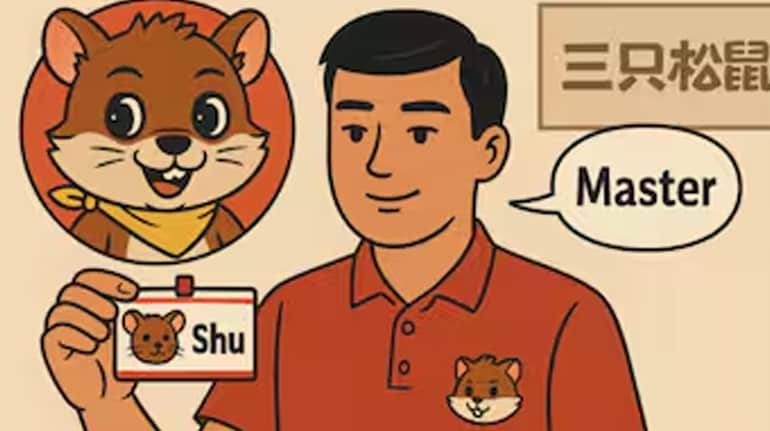
Chinese brand backlash over “Rat” culture
A leading Chinese snack brand, Three Squirrels, is under fire after online posts revealed an unusual internal culture in which employees are encouraged to change their surnames to “Rat” and refer to customers as “Master.” The practice has drawn sharp criticism and sparked debate about workplace dignity and branding excesses in China’s consumer sector.
The controversy erupted when a mainland social media user claimed that “after joining Three Squirrels, you lose your real name,” sharing photographs from an internal meeting. The images showed nameplates such as Shu Laodie, meaning Rat Dad, and Shu Laomu, meaning Rat Mum, laid out in front of staff. Another image of the company’s Communist Party Committee list showed 30 members across eight branches, each with a name starting with the character translated as “Rat,” including a deputy secretary nicknamed Shu Dandan, or Rat’s Egg.
Three Squirrels, founded in 2012 in Anhui province and best known for its nuts and dried fruit, has become a household name in China and listed its shares in 2019. The company has recorded more than 54 billion yuan in cumulative sales over the past decade, making the controversy particularly high profile for a brand that built its image around cute squirrel mascots and playful marketing.
In follow up reporting, a company staffer told Chinese media that the “Rat” names form part of Three Squirrels’ internal culture and are meant to feel friendly and cute while reinforcing brand identity. The employee said the practice is not mandatory, adding that new hires are told it is common but face no consequences if they decline. Another viral post showed a customer service worker labelled Return Rat, and the company has said staff also use titles such as Shipping Rat and Customer Service Rat, insisting these are not designed to insult consumers.
The phrase “Master” for customers appears to be an extension of long running brand language that puts consumers in a position of playful authority. Academic analysis of the company’s marketing notes that calling customers “masters” is intended to deepen brand connection and create a fun, servile persona for the squirrel characters, though critics say that tone becomes more troubling when applied to real workers and real hierarchies.
Legal experts quoted in Chinese media say there is nothing inherently illegal about nicknames built around “rat” provided employees are not coerced and their rights to identity and dignity are respected. However, the online backlash reflects wider unease about extreme corporate cultures and the fine line between distinctive branding and demeaning workplace rituals.
