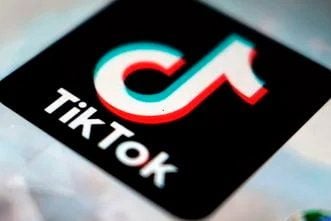
TikTok secures US future after landmark ownership deal
Under the new agreement, TikTok’s China-based parent company, ByteDance, will transfer control of the app’s US operations to a newly created American-based entity, effectively removing the platform from foreign ownership in the eyes of US lawmakers.
The deal follows years of political pressure in Washington over national security concerns linked to the app’s Chinese ownership.
The new company, expected to be fully operational later this month, will be majority-owned by a consortium of US investors.
ByteDance will retain a minority stake of just under 20%, a level designed to comply with US legislation requiring that TikTok no longer be controlled by a foreign adversary.
Central to the agreement is the role of Oracle, which will act as TikTok’s trusted technology and security partner in the United States.
Oracle is expected to oversee data storage, software updates and ongoing audits to ensure that American user data is protected and inaccessible to foreign governments. The company already provides cloud infrastructure for TikTok in the US.
The deal is the culmination of legislation passed in 2024 which required TikTok to divest its US operations or face a nationwide ban.
The law was upheld earlier this year by the US Supreme Court, rejecting arguments that a forced sale breached free-speech protections.
That ruling placed TikTok on a tight deadline to restructure its ownership.
For a brief period, the app was removed from US app stores amid uncertainty over its future, before the White House issued temporary enforcement delays to allow negotiations to continue.
US officials have argued that TikTok posed a unique risk due to the scale of its influence and the sensitivity of data it collects, while TikTok has repeatedly denied sharing information with the Chinese government or allowing political interference in its algorithm.
While the new structure has been welcomed in Washington as a national security victory, some critics remain unconvinced.
Questions persist over how much practical control US partners will have over TikTok’s powerfulrecommendation algorithm, widely regarded as the engine behind the app’s global success.
For users, however, the transition is expected to be largely invisible.
TikTok will continue to operate as normal, with no immediate changes to the app’s design or features.
For creators, advertisers and millions of viewers, the deal brings long-awaited clarity — and for now, at least, keeps one of the world’s most influential social media platforms alive in its most important market.
