
Before the FIFA World Cup, Dallas can become a human rights city
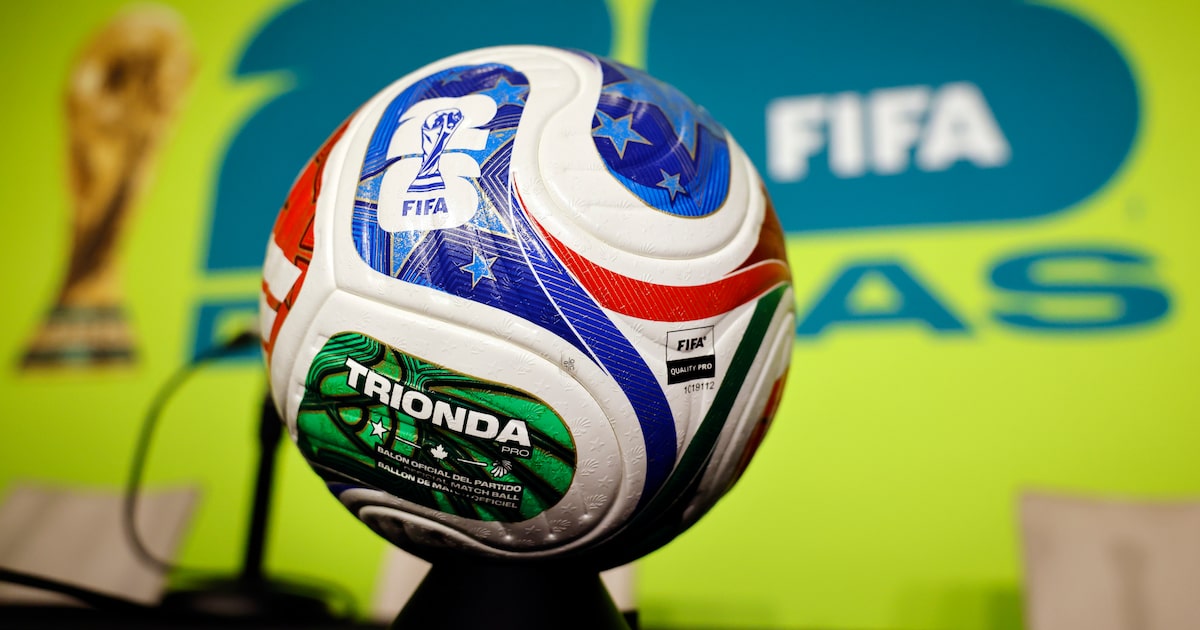
The world will come to Dallas and surrounding cities on June 14 when the Netherlands faces off against Japan at Arlington’s AT&T Stadium, or as it will be temporarily known, “Dallas Stadium.” Somewhere between 1.4 and 2.7 million visitors may attend matches and flock to other World Cup-related events across DFW this summer.
The most-watched sporting event on the planet comes to North Texas at a time when international tourism to the United States has softened, amid visa delays, stricter border enforcement policies and a recent federal proposal that would require some visitors to disclose up to five years of social media history as part of the visa waiver process.
Meanwhile, concerns about immigration enforcement have sparked protests abroad and calls by some commentators and advocates to boycott World Cup matches in the United States.
If the Dallas area wants to reverse this trend, make visitors feel truly safe, and, along the way, make the city a better place to live, an important first step would be becoming a human rights city. Guaranteeing migrant rights, currently under assault, is central to that project.
Human rights cities are inspired by the United Nations Universal Declaration of Human Rights, adopted on Dec. 10, 1948, in the wake of the genocide that marked World War II. Article 1 of the Declaration proclaims that “All human beings are born free and equal in dignity and rights.”
Articles 13 and 14 state that “Everyone has the right to freedom of movement … and the right to seek and to enjoy in other countries asylum from persecution.”
Yet, in the United States, the world has watched in horror the slayings of Renee Good and Alex Pretti in Minneapolis, violence that sparked protests against Immigration and Customs Enforcement agents providing security at the Milan Winter Olympics. According to reports, some detained migrants have also been denied due process and held by immigration authorities in solitary confinement.
The City Council could start making Dallas a human rights citadel and assure World Cup fans they can visit without fear. It should also direct police not to assist ICE when it serves civil administrative warrants or in searches for migrants not facing criminal charges.
Rosario, Argentina, became the world’s first self-designated human rights city in 1997. Responding to their nation’s tragic history under a violent 1970s military dictatorship, the Rosario City Council sought a better future by requiring human rights training for judges, police, health providers and educators.
Nuremberg, Germany, a city deeply linked to the rise of Adolf Hitler, also became a human rights city in 2001. A city that once annually hosted Nazi Party rallies now requires human rights education in its schools. Human rights cities now number in the dozens.
In 2017, Dallas County became the first human rights county, joining other American cities that made a similar commitment. If Nuremberg, Jackson, Miss. (with its history of racial violence), and Atlanta (once the national headquarters of the Ku Klux Klan), can join the fight for human dignity, certainly Dallas can become a human rights city as well.
The World Cup looms on the horizon, rendering the need for this declaration ever more urgent. Labor abuses, sex trafficking, and forced displacement have long poisoned the history of international sports events. Dallas must not replicate this sorry past.
Michael Phillips is an author and historian, Rick Halperin is director of the SMU Human Rights Program and Hadi Jawad is the president of Human Rights Dallas.
We welcome your thoughts in a letter to the editor. See the guidelines and submit your letter here.
If you have problems with the form, you can submit via email at [email protected]
