
From near bankruptcy to a $4 trillion empire: The 51 moments that defined Apple
I’ve been covering Apple for 25 of its 50 years, and I’ve had a front-row seat for the moments that for many redefined modern life. I was there when Steve Jobs pulled the original MacBook Air from a manila envelope. I reviewed the first iPhone when it was considered a “gamble,” and I was among the first to step into the spatial computing era with the Vision Pro.
Over the last half-century, there have been plenty of “wow” moments, but also the high-profile flops and setbacks you’d expect from a brand that recently became the world’s first $4 trillion empire.
The Apple of the pre-iPhone era was more tumultuous—and honestly, more interesting. They didn’t just build computers; they made personal computing a household reality with the Apple II and refined the mouse for the masses. But they also faced a near-death experience in the ’90s during Steve Jobs’ exile, famously sitting just 90 days away from bankruptcy before his 1997 return.
That “Second Act” sparked a wave of hits—from the iPod and iPhone to the App Store—that changed how we live. But it wasn’t all smooth sailing; we lived through controversies like the “you’re holding it wrong” Antennagate, too.
To celebrate 50 years of “Thinking Different,” we’ve curated a definitive list of the 51 biggest moments in Apple’s history—the iconic triumphs, the public stumbles, and the one “bonus” moment that points to where the next 50 years are headed. — Mark Spoonauer
The Early Years
1977: Apple II revolutionizes personal computing 👍
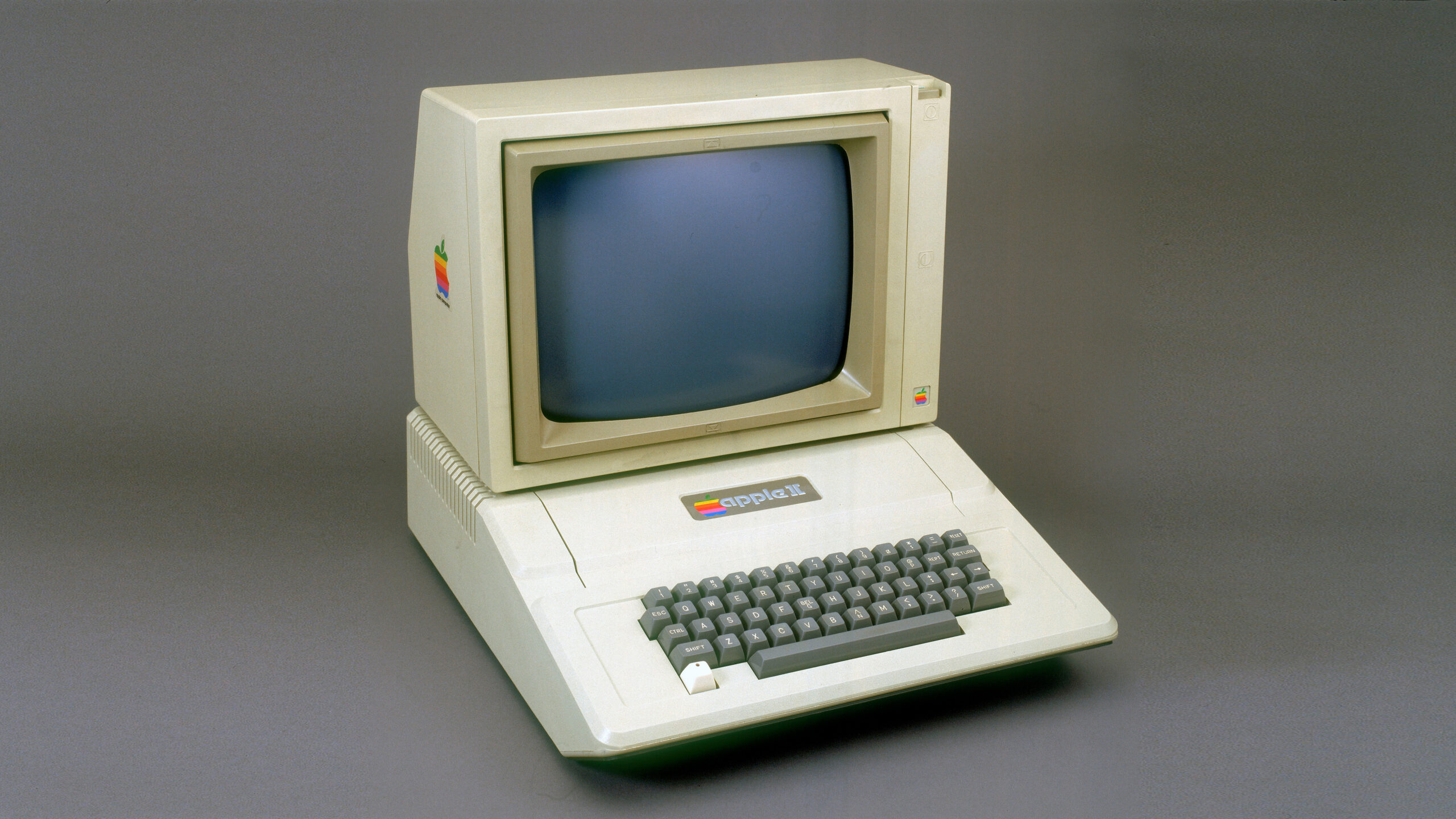
Where it all started — the big bang of personal computing. Announced in front of a small audience at the West Coast Computer Faire, the Apple II was the first pre-assembled machine to bring color graphics and a built-in keyboard to the masses. With a sleek plastic case and expansion slots, what was once a hobbyist dream had turned into a consumer reality overnight. This is where modern consumer computing truly started. — Jason England
1983: The Lisa’s $9,995 price tag buried a beautiful interface 👎
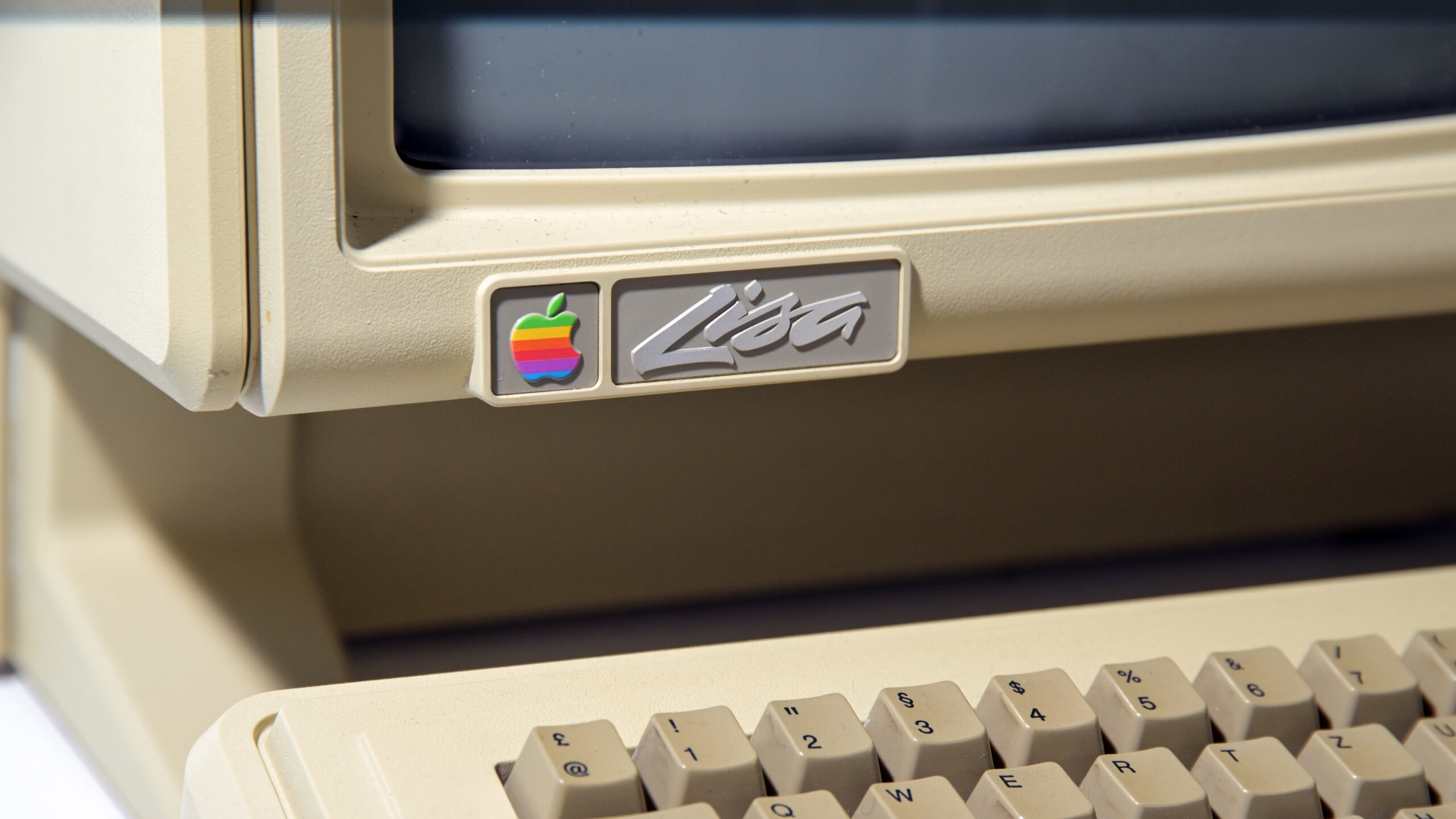
The Lisa was a brilliant, $9,995 disaster. Because sure, it pioneered a lot of things we take for granted today like the mouse and a graphical user interface. But its astronomical price (nearly $30,000 in today’s money) and sluggish performance doomed it. Fun fact: thousands of unsold units ended up in a Utah landfill. — Jason England
The “1984” ad 👍
Apple is perhaps less known for the computer it launched this year than the seminal ad that ran during the Super Bowl. Directed by Ridley Scott, it depicted a female athlete throwing a sledgehammer at an Orwellian Big Brother, shattering his preachings to the hypnotized masses — otherwise known as PC users. It not only positioned Apple from then on as the iconoclastic computing brand, but also shook up the advertising market, too. — Mike Prospero
1985: Steve Jobs is fired 👎
Despite the big push around the Mac the year before, declining sales led to internal divisions between Jobs and CEO John Sculley over the direction Apple should take. A power struggle between the two led to Jobs’ resignation, and a dozen years in the wilderness — during which time he founded NeXT and Pixar. — MP
1990 – 1999
1993: The ambitious (but flawed) Newton MessagePad 👎
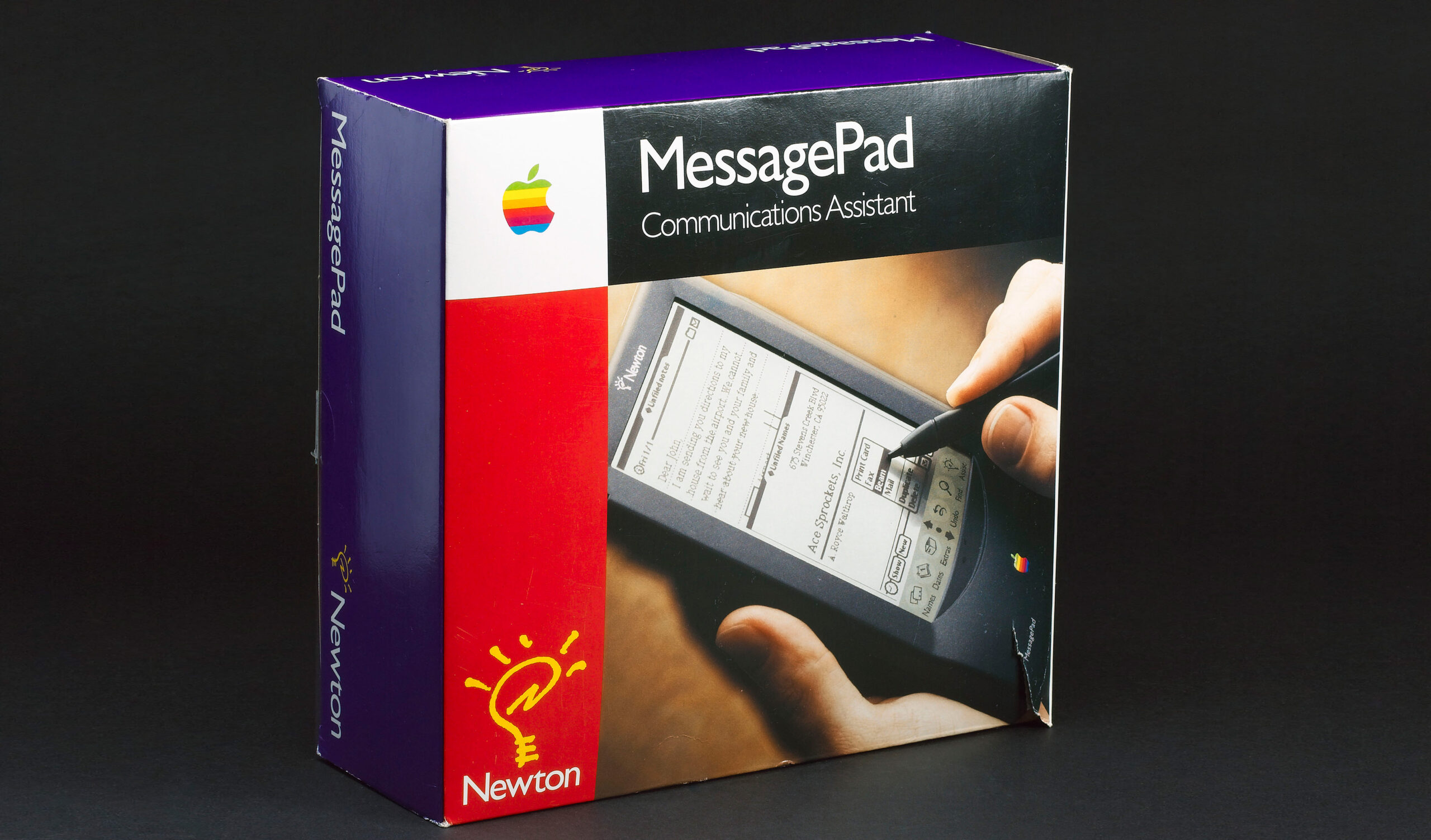
Before there was the iPad, there was the Newton MessagePad. John Sculley coined the term PDA to describe this pocketable computer that could take notes, store your contacts, manage a calendar and even send a fax. Handwriting recognition was billed as the device’s killer feature, but it was very inaccurate and widely mocked — including on an episode of The Simpsons. The device’s high price ($700) and poor battery life also hampered it. Once Jobs returned to Apple, he unceremoniously killed the product. — Jeff Parsons
1993: Apple licenses 3rd party Mac clones 👎
In an effort to emulate Microsoft’s strategy, Apple started licensing its operating system to third-party computer makers to capture greater market share. However, it was only pursued half-heartedly, and Steve Jobs killed the initiative upon his return in 1997. — MP
1996: The Apple Pippin flop 👎
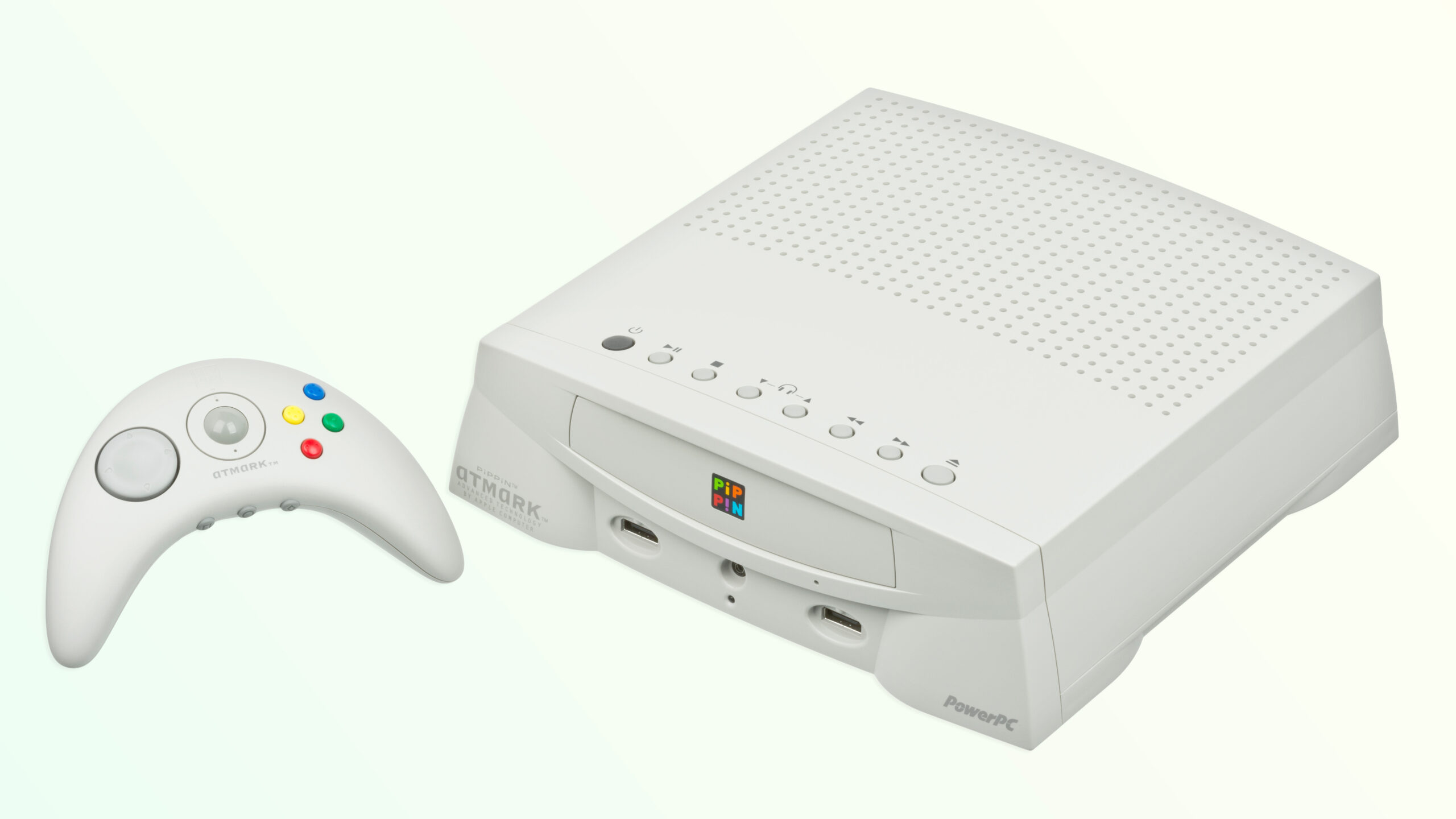
Long before the Apple TV was a “hobby,” Apple tried to dominate the living room with this game console. And failed miserably. Ten months before Steve Jobs came back to Apple, the company collaborated with Bandai to make the $600 Pippin game machine. Poor graphics, a weird controller (with trackball!) and utter lack of games all conspired against this machine. Apple wound up selling only 42,000 units total, compared to over 300,000 for the Nintendo 64 — in its first three days. — Mark Spoonauer
1996: Steve Jobs returns to Apple and gets a lifeline from … Bill Gates 👍
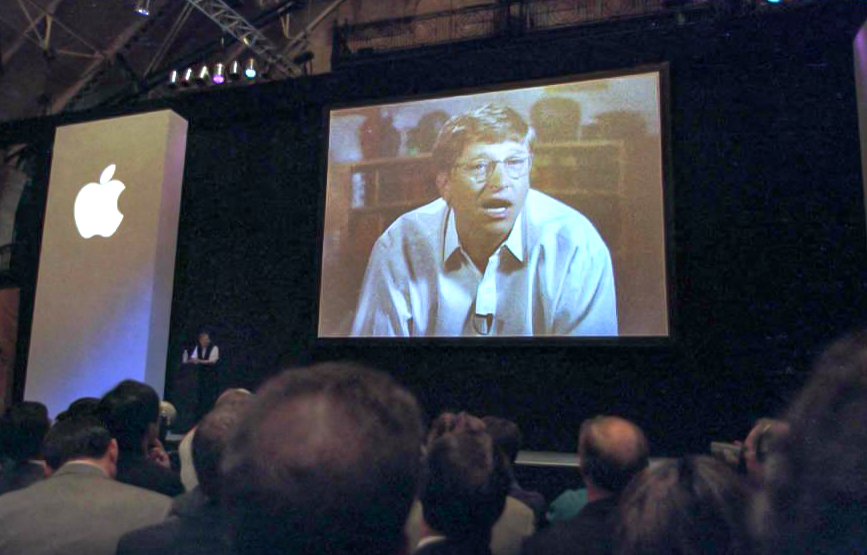
Apple in 1997 was reportedly just 90 days away from possible bankruptcy, and Steve Jobs needed to buy some time after just returning to the company. That lifeline came in the form of a $150 million investment from Microsoft in non-voting Apple stock. Announced at Macworld Expo, the news was met with boos, but the agreement helped Apple in multiple ways, including a patent truce between the two companies and a commitment from Microsoft to develop Office for Mac. — Mark Spoonauer
1998: The colorful iMac G3 saves Apple from bankruptcy 👍
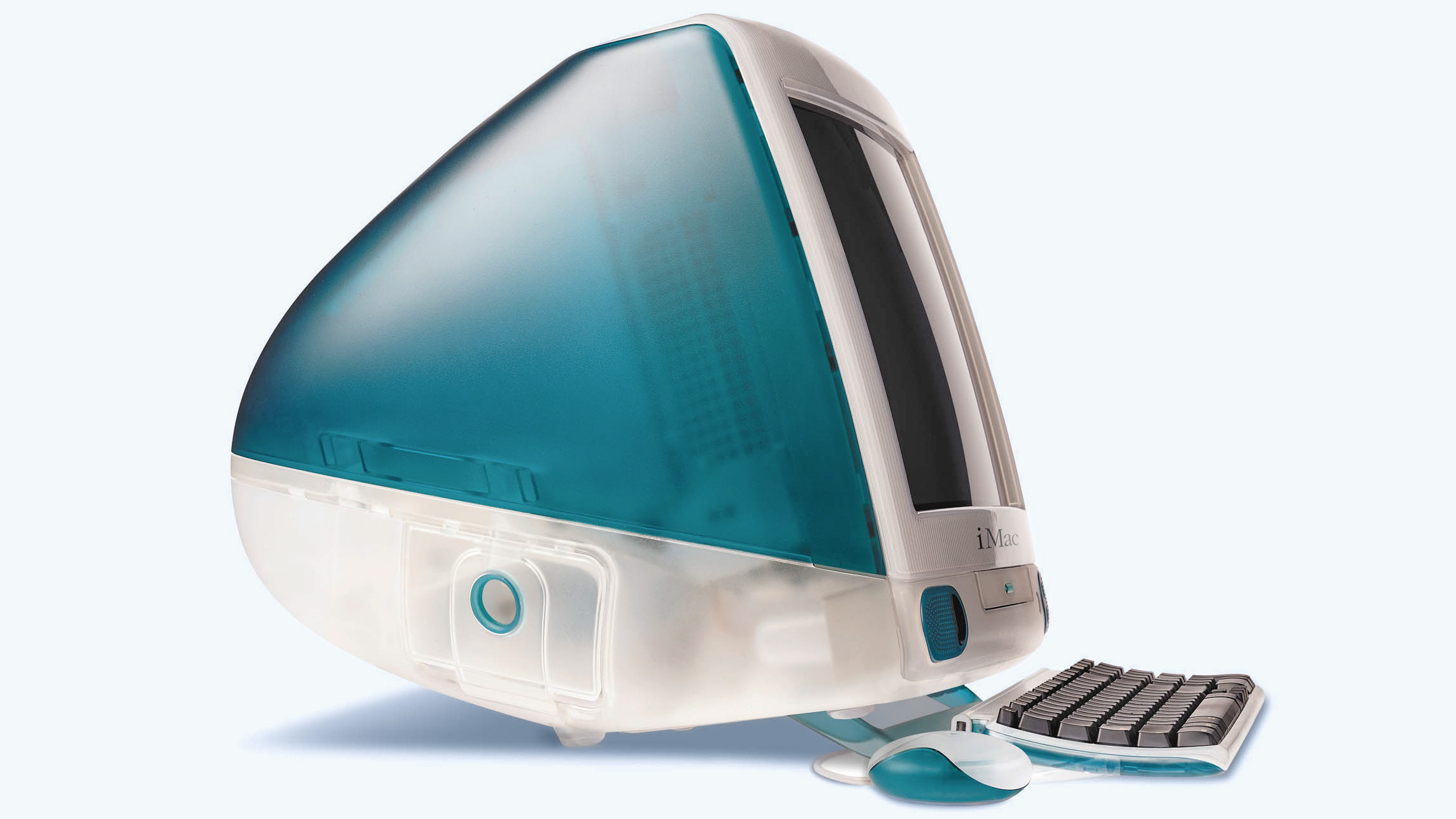
The fight was on to bring Apple back from the brink, and the company’s answer was a Bondi Blue revolution in the iMac G3. Up until this point, we’d gotten used to boring beige boxes sitting atop desks, but Jony Ive’s translucent all-in-one turned computing into fashion. At the same time, it killed the floppy drive, bet everything on USB and made getting on the internet a three-step process — all three future bets worked out for sure! — Jason England
1998: The terrible “Hockey Puck” mouse 👎
Apple matched the aesthetics of its iMac G3 range with a circular USB Mouse dubbed “Hockey Puck” with a singular button at the top. It was small, with a short cord and forced users to crab their hands around it. Many users also complained of losing the orientation of the mouse when they took their hands off it to type something. The hockey puck mouse only lasted two years, from 1998 to 2000, before it was discontinued. — Jeff Parsons
1999: The iBook – “iMac to go” 👍
I miss this era of Apple design, and you can tell Apple does too with the bright, bold colors of the MacBook Neo. This vivid triumph brought “iMac to go” to the masses with a rugged design and iconic carrying handle. But the huge win here was what laid inside with AirPort — making it the first consumer laptop with Wi-Fi (which Jobs demonstrated by passing it through a hula-hoop). — Jason England
2000 – 2009
2001: The original iPod — “1,000 songs in your pocket” 👍
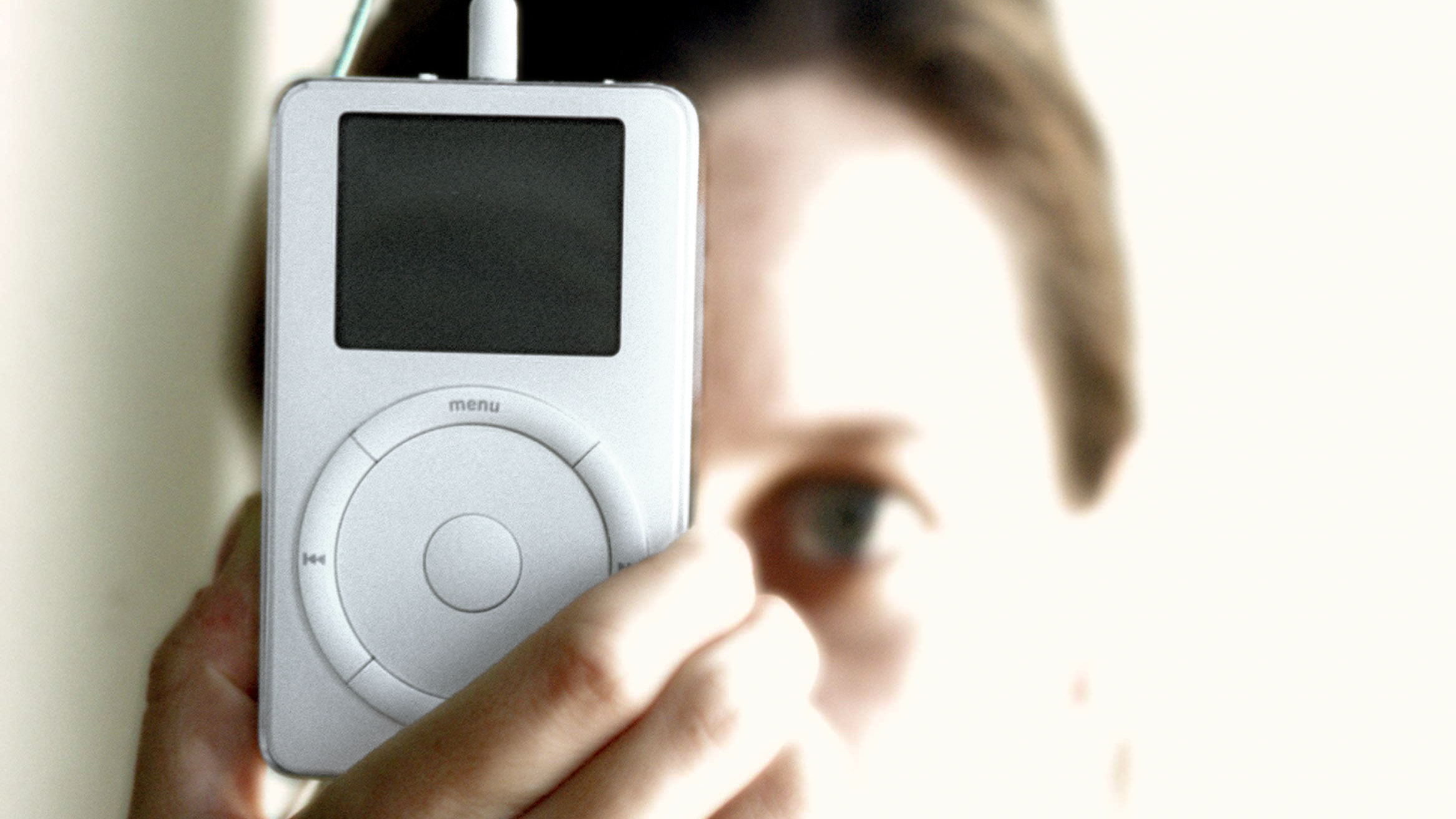
Before the iPod, we carried Walkmans. Before 2001 other MP3 Players existed at the time, sure, but they offered limited storage and junky user interfaces. The iPod killed both Walkmans and other MP3 players in one fell swoop. Its cutting-edge design was irresistible and its easy-to-use software made transferring music a breeze. It’s no wonder why the iPod and its numerous smaller-sized siblings took over the world for the better part of the aughts. — Nick Pino
2001: The first Apple Stores 👍
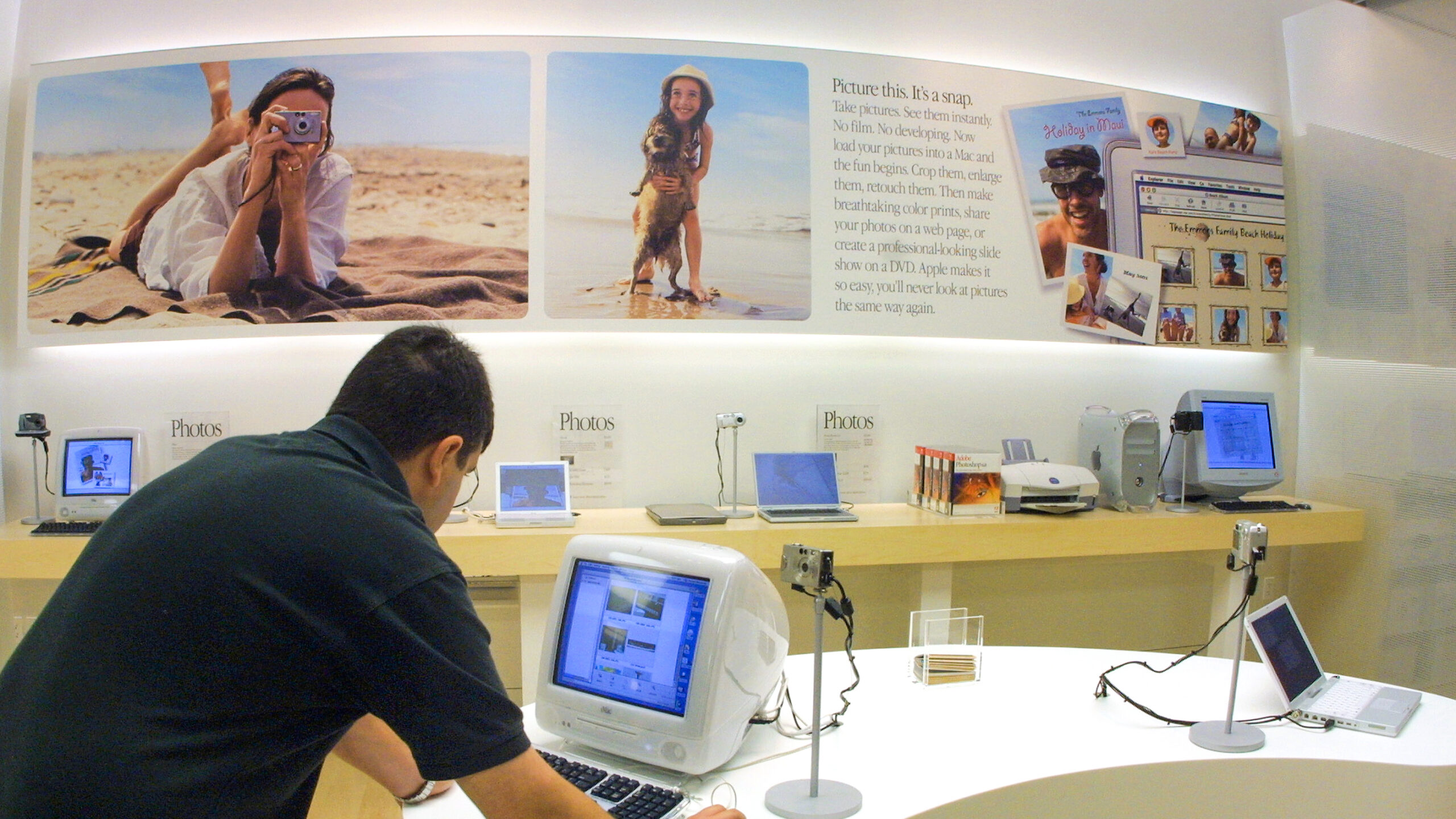
Forget Best Buy! Emulating the aesthetic of its products, the Apple Store features a clean, minimalistic design with all of Apple’s products nearly laid out, and with scores of Apple “Geniuses” on hand to answer your questions. Within three years, the company was making $1 billion in sales from these stores. Since then, other major tech brands, including Microsoft and Meta, have tried to emulate this model. — MP
2003: iTunes Store saves the music industry from Napster-era chaos 👍
If you’re going to launch the most successful MP3 player, you need to offer some way to easily download music to the device — for a fee, of course. After securing deals with every major record label, the iTunes Store launched in April 2003. Initially, individual songs cost 99 cents; Apple sold more than 1 millions songs within the first week of its launch. By 2008, it had become the largest music service in the U.S., and eleven years after its launch, Apple had sold more than 35 billion songs. While Apple has in recent years shifted its model towards the subscription-based Apple Music, the impact of the original music storefront was seismic. — MP
2005: iPod Nano (really) shrinks the iPod 👍
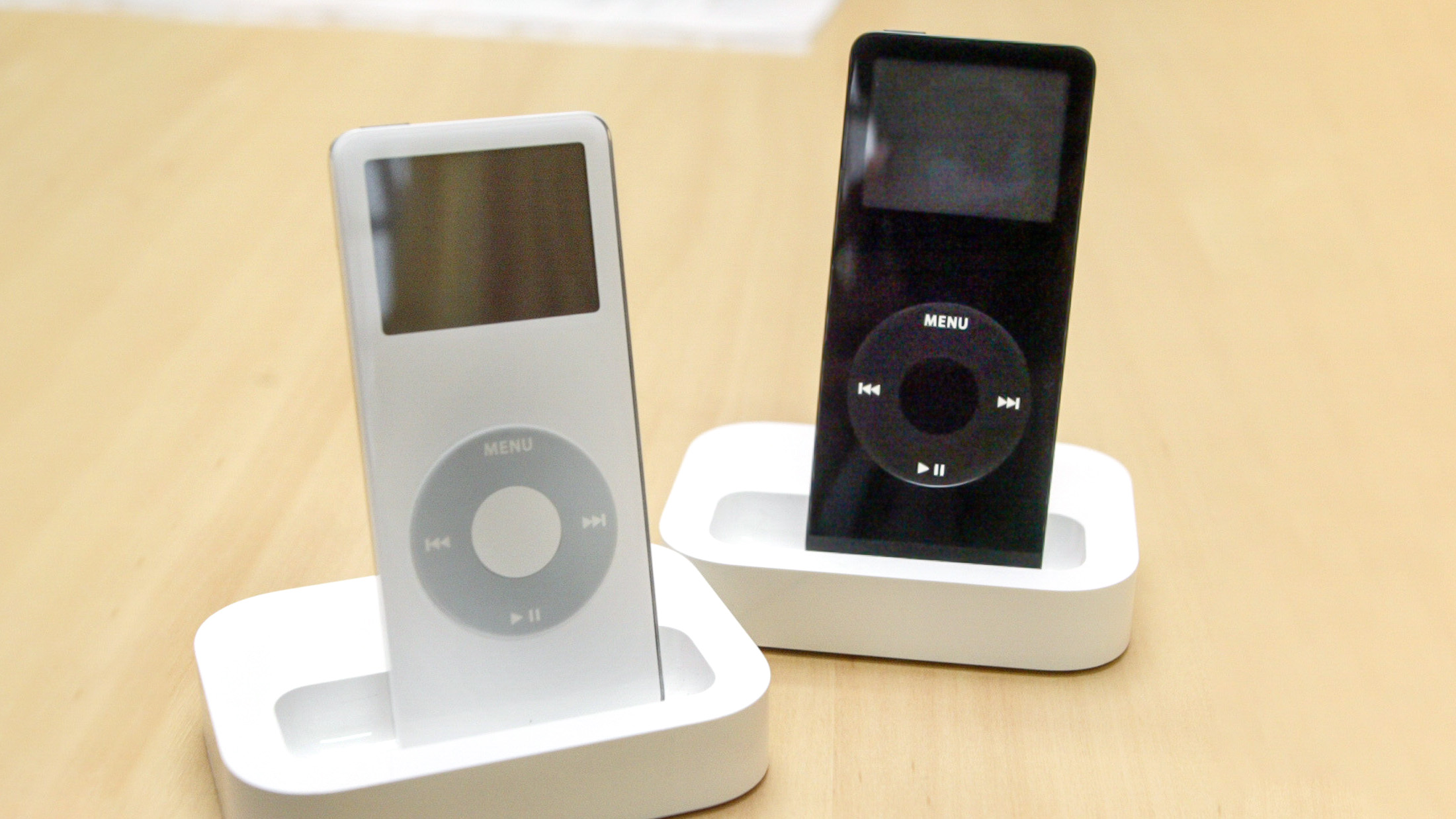
After dominating its rivals for several years, Apple pushed the envelope further with the release of the iPod nano in the fall of 2005. While the iPod mini had already reduced the size of Apple’s original portable music player, the iPod nano took portability to the extreme. Steve Jobs famously revealed it at an event by pointing to the small watch pocket of his jeans, from which he pulled the engineering marvel — complete with its 6.9 mm frame. Just like the iPod mini before it, the nano could store the same amount of songs, but at 62% of the size. — John Velasco
2007: The original iPhone: Peak Steve Jobs 👍
No gadget in history had as much hype leading up to it as the original iPhone. But Steve Jobs delivered when he unveiled the iPhone at Macworld in January 2007 with his now-iconic 3-in-1 pitch. “It’s a widescreen iPod with touch controls,” a “revolutionary mobile phone,” and a “breakthrough internet communications device.”
Jobs also successfully argued that having a fixed keyboard on the bottom third of a smartphone was a waste of space. Even after the iPhone launched there were plenty of skeptics, including Microsoft’s Steve Ballmer (“500 dollars? Fully subsidized?”) and BlackBerry’s Jim Balsillie (“It’s okay, we’ll be fine.”).
The competition underestimated the magic inside the iPhone, including the first-of-its-kind multitouch display, powerful Safari browser and visual voicemail. The first iPhone didn’t have 3G or App Store, but it redefined the user experience on phones for generations to come. — Mark Spoonauer
2008: The MacBook Air 👍

I actually had the chance to attend the launch of the MacBook Air, during which Steve Jobs pulled this iconically sleek laptop out of a manilla envelope. And it wound up transforming the entire mobile computing industry. The $1,799 notebook was the thinnest laptop ever at the time at just 0.16 to 0.76 inches, and the tapered aluminum chassis weighed just 3 pounds.
What truly set the MacBook Air apart is what Apple decided to leave on the cutting room floor, including an optical drive and multiple ports. You got just a single USB 2.0 port and Micro DVI-connector behind a flip-down door. This Intel Core 2 Duo laptop wasn’t the fastest, and the battery life was below-average, but the sheer innovation on display with the design (including the multi-touch trackpad) would spur an avalanche of Windows copycats. — Mark Spoonauer
2008: The App Store creates a multi-billion dollar economy overnight 👍
While the iPhone was a sensation, it didn’t really take off until Apple introduced the App Store, which let third-party developers get their apps in front of iPhone owners in one convenient storefront. In its first weekend, more than 10 million apps were downloaded; by 2025, the App Store generated $114 billion in revenue. There have been a number of legal challenges in recent years — including in-app transactions and the percentage that Apple gets — which have only underscored the dominance of this business model. — MP
2010 – 2019
2010: iPhone 4: A peak design moment 👍
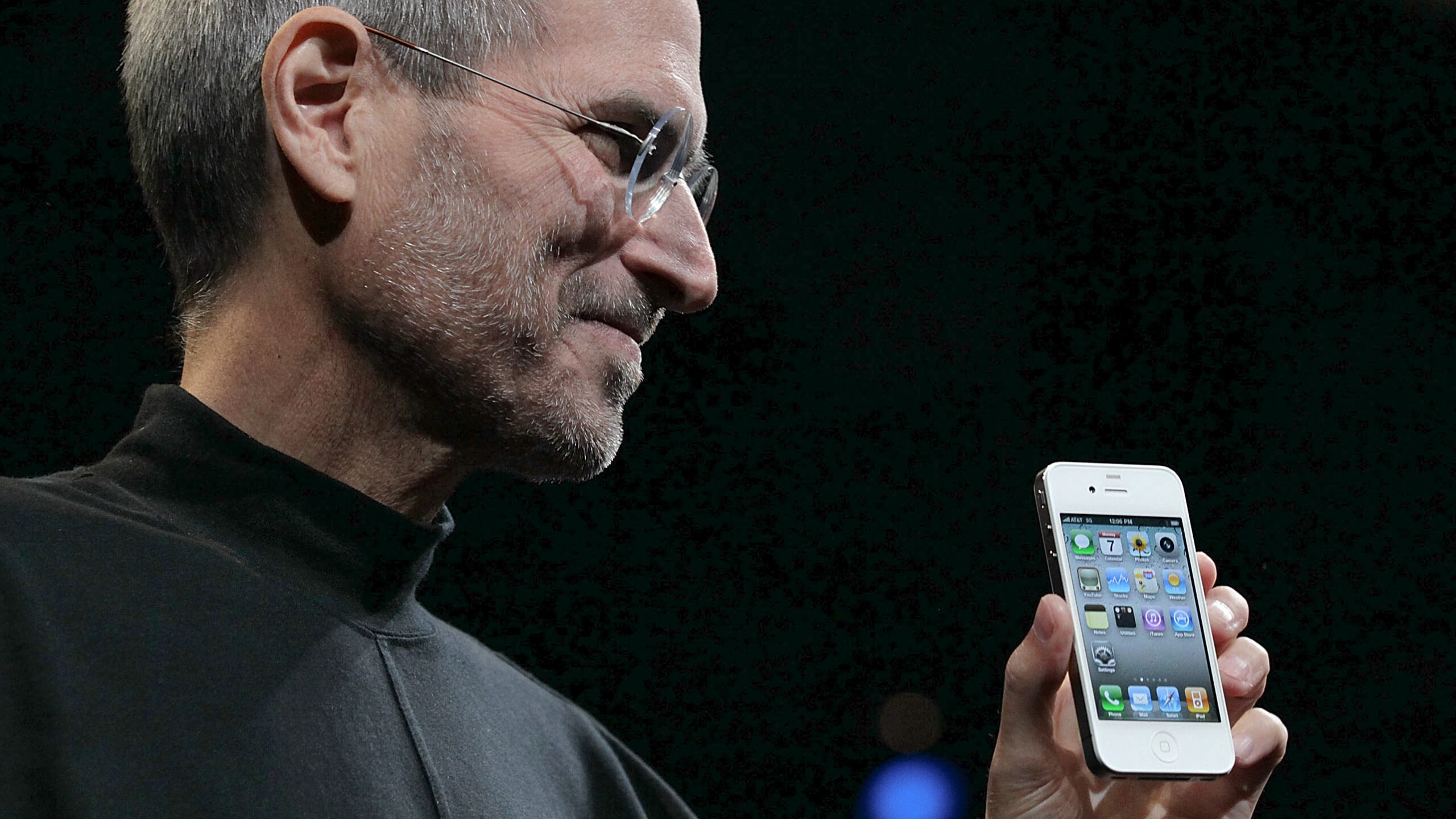
Even though many would argue the original iPhone is the most memorable phone in Apple’s history, I believe that title better fits the iPhone 4. The fourth-generation model wasn’t just a step forward; it was a generational leap that set new benchmarks. For instance, it introduced a premium glass-meets-metal design that ditched the plastic construction of its predecessors. On top of that, it was the first iPhone to feature the Retina Display, FaceTime, a backside-illuminated camera sensor, and Apple’s first custom chip, the A4. — John Velasco
2010: Antennagate — The iPhone 4 flaw that birthed the phrase: “You’re holding it wrong” 👎
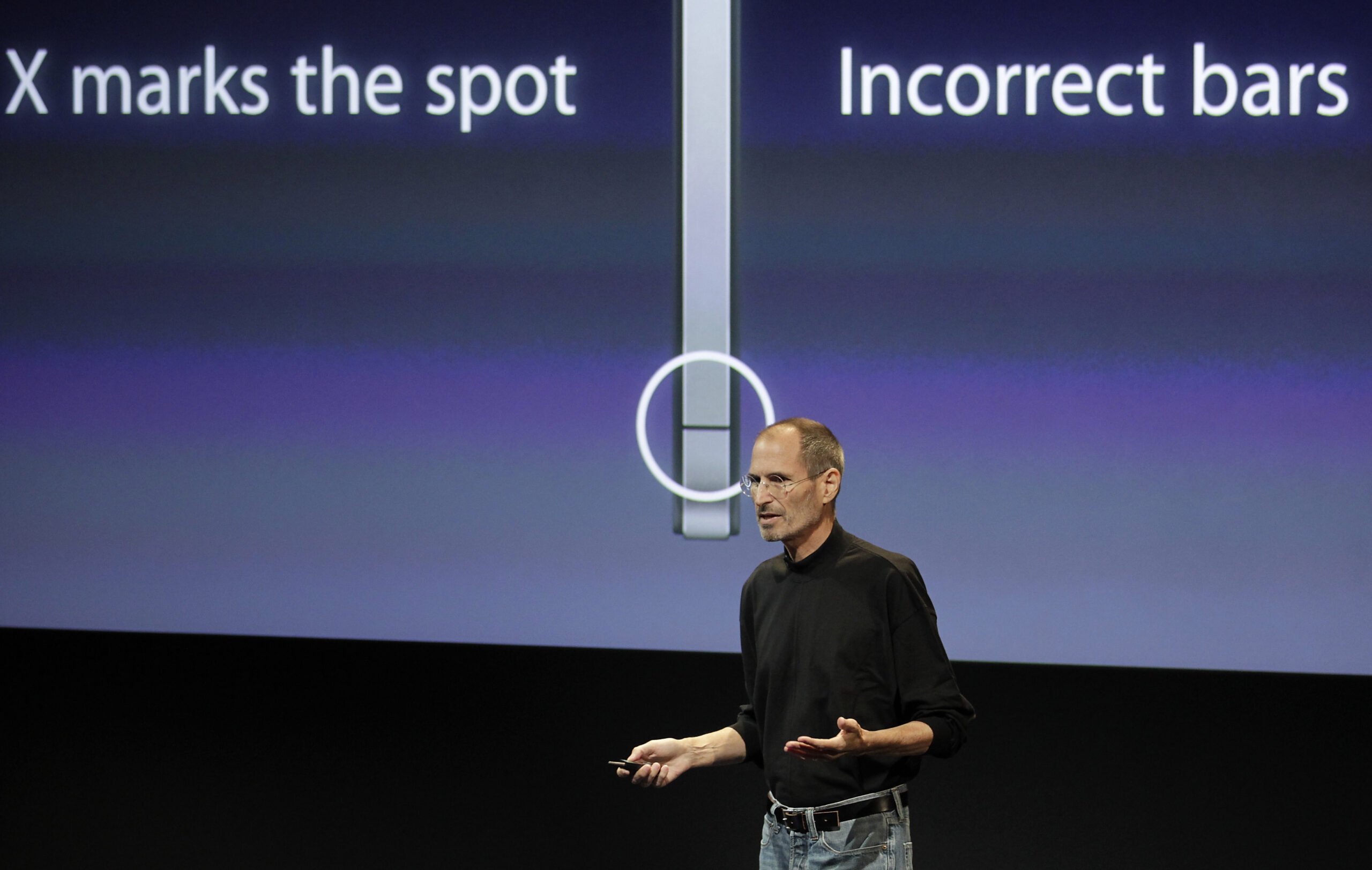
There’s hubris, and then there’s HUBRIS. Labeled as the biggest tech fail by many of 2010, “antennagate” refers to how the iPhone 4 suffered from weaker reception when you gripped the lower left corner of the phone. But the bigger controversy was Apple’s reaction. The official statement basically told users that they just needed to stop holding the phone the wrong way or to buy a case. — Mark Spoonauer
2010: Apple TV 2nd Gen — The $99 price point that made streaming accessible 👍
Once Roku hit the market in 2008, it became clear that the streaming player market was going to be a race to the bottom. At just $99, the Apple TV 2nd Gen was Apple’s take on the more affordable streaming box, and while I can’t say that it disrupted the market in the same way Roku did, it’s the linchpin that kept the company’s “hobby project” alive and well in the face of steep (and cheap) competition. — Nick Pino
2010: Ping — The “music social network” that no one asked for 👎
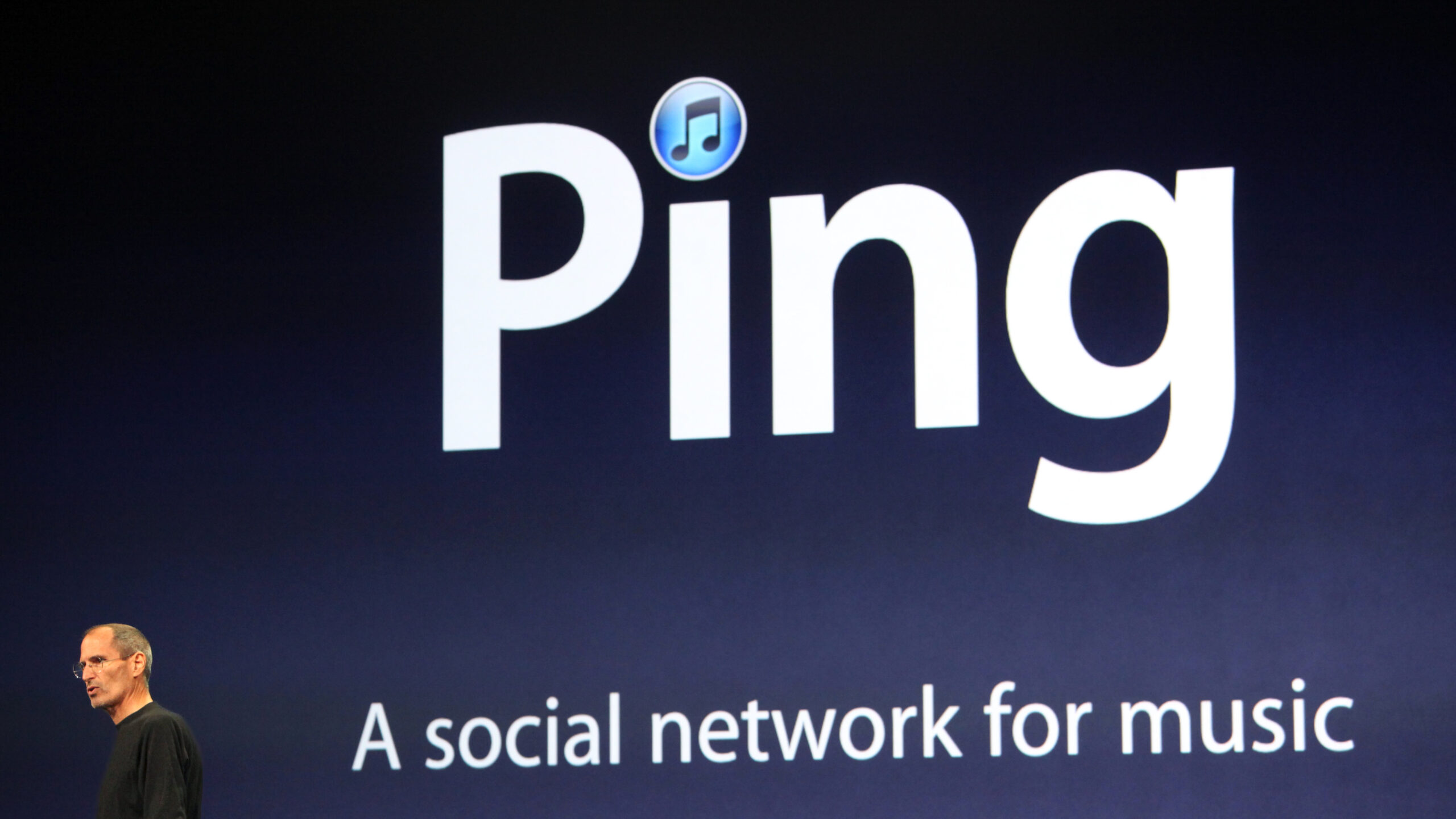
“It is sort of like Facebook and Twitter meet iTunes,” Steve Jobs said at the launch of Apple’s music-based social network. Only it wasn’t. Shortly after it went live, Facebook blocked any linking via API to Ping, which disabled a much-touted feature — and squashed any hopes of jump-starting the network. It was also inundated with spam comments soon after launch. Ping sputtered on for another two years before Apple killed it off, and simply added Facebook and Twitter to iTunes. Mission Accomplished! — MP
2010: The iPad Launches 👍
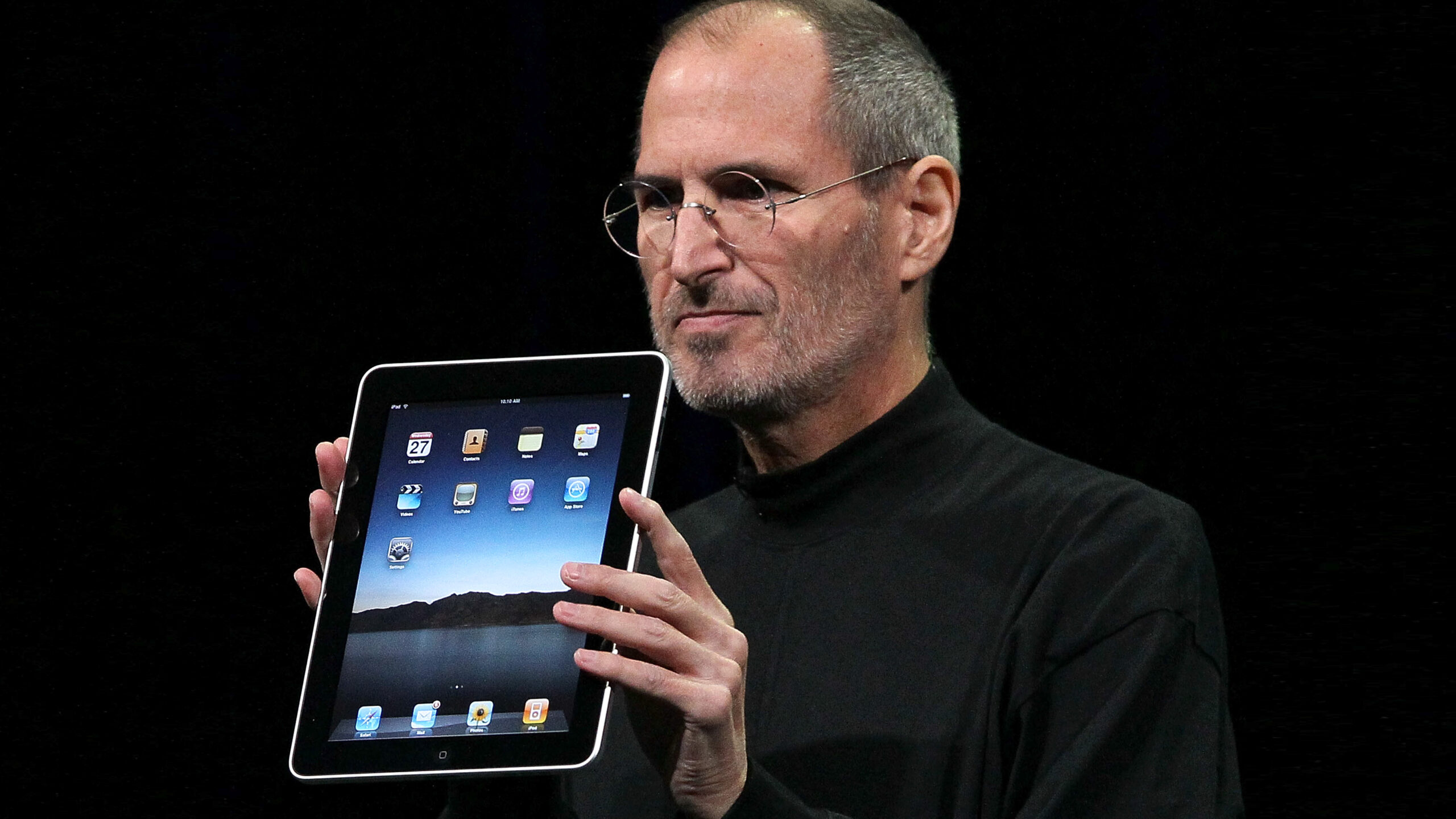
Remember netbooks? These cheap laptops with tiny screens were all the rage back in 2007 and were a big deal for a few years — until the iPad came along. During the iPad launch event in 2010, Steve Jobs mocked the category, saying that “they’re not better at anything.” He wasn’t wrong. Meanwhile, the iPad took tablets mainstream with a 9.7-inch multitouch display, making it a great device for checking email, playing videos, reading e-books and more. Critically, the iPad ran apps developed for the platform, unlike Android tablets that merely ran supersized phone apps. And thanks to the A4 chip you got a very impressive 10 hours of battery life. — Mark Spoonauer
2011: Siri launches, then stumbles 👎
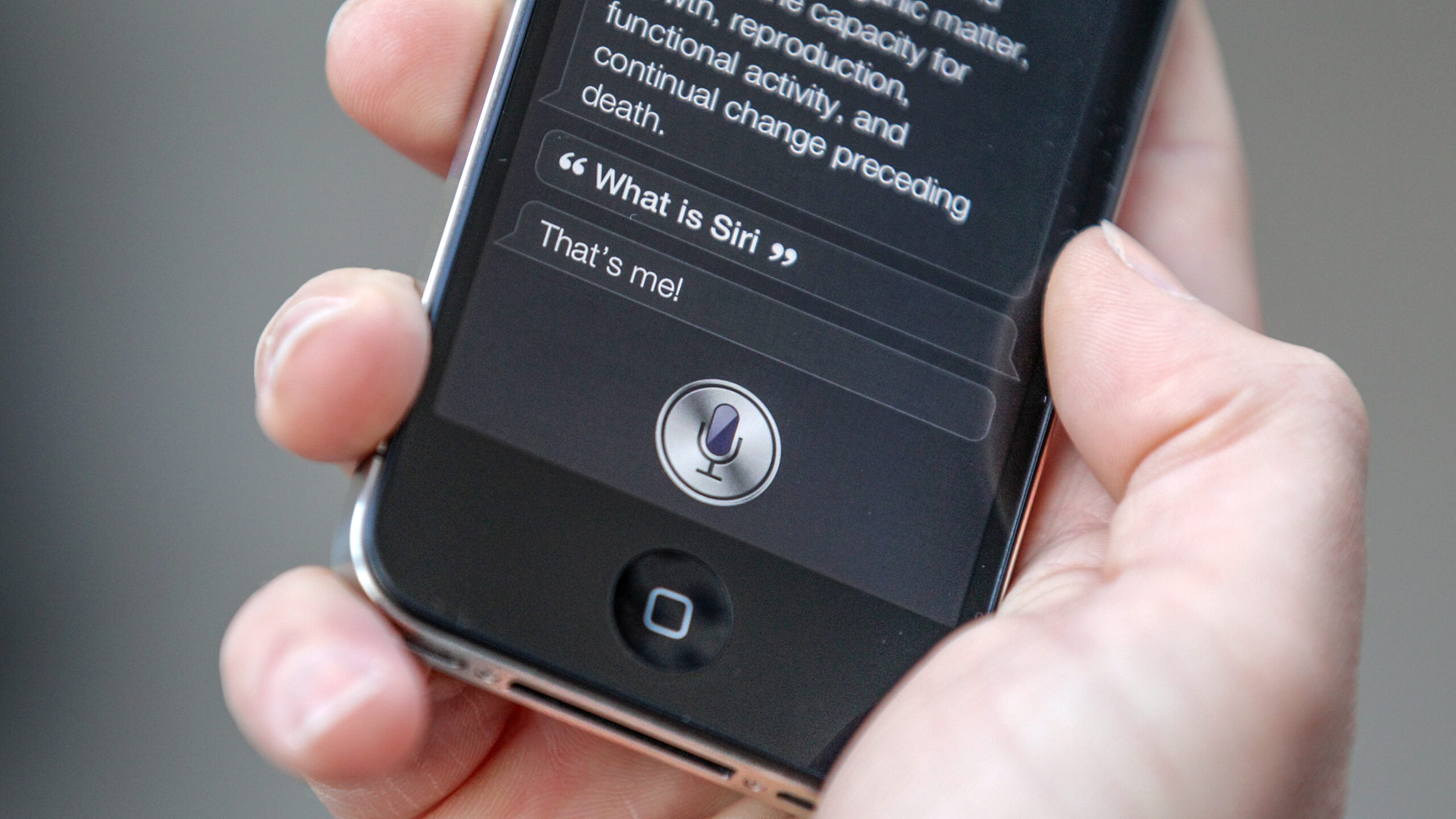
Siri’s original launch came alongside the iPhone 4s in October 2011, and while it initially won a lot of praise for its voice recognition, it wasn’t long before the cracks started to show. Siri could (and still does) function well for basic tasks like scheduling calendar appointments and checking the weather, but Apple’s voice assistant was swiftly overtaken by more capable alternatives from Google and Amazon. Even now, Siri continues to lag behind the current crop of generative AI chatbots like Gemini and ChatGPT. Apple promised an upgraded “Siri 2.0” powered by Apple Intelligence back in 2024, which has yet to materialize… — Jeff Parsons
2012: Apple Maps launches a thousand memes 👎
The errors within Apple Maps were enough to drive people crazy, or at least in the wrong direction. Apple released its own navigation app to counter Google Maps, but things were so bad — missing and misplaced landmarks, bad spelling, and more — that CEO Tim Cook issued a written apology, and both Scott Forstall (senior vice president of iOS) and Richard Williamson (the head of the Maps team) left the business. While the problems have been fixed, Apple Maps’ disastrous initial rollout is still referenced every time the company updates the app. — MP
2013: Mac Pro “Trash Can”: A thermal design that neglected pro users for years 👎
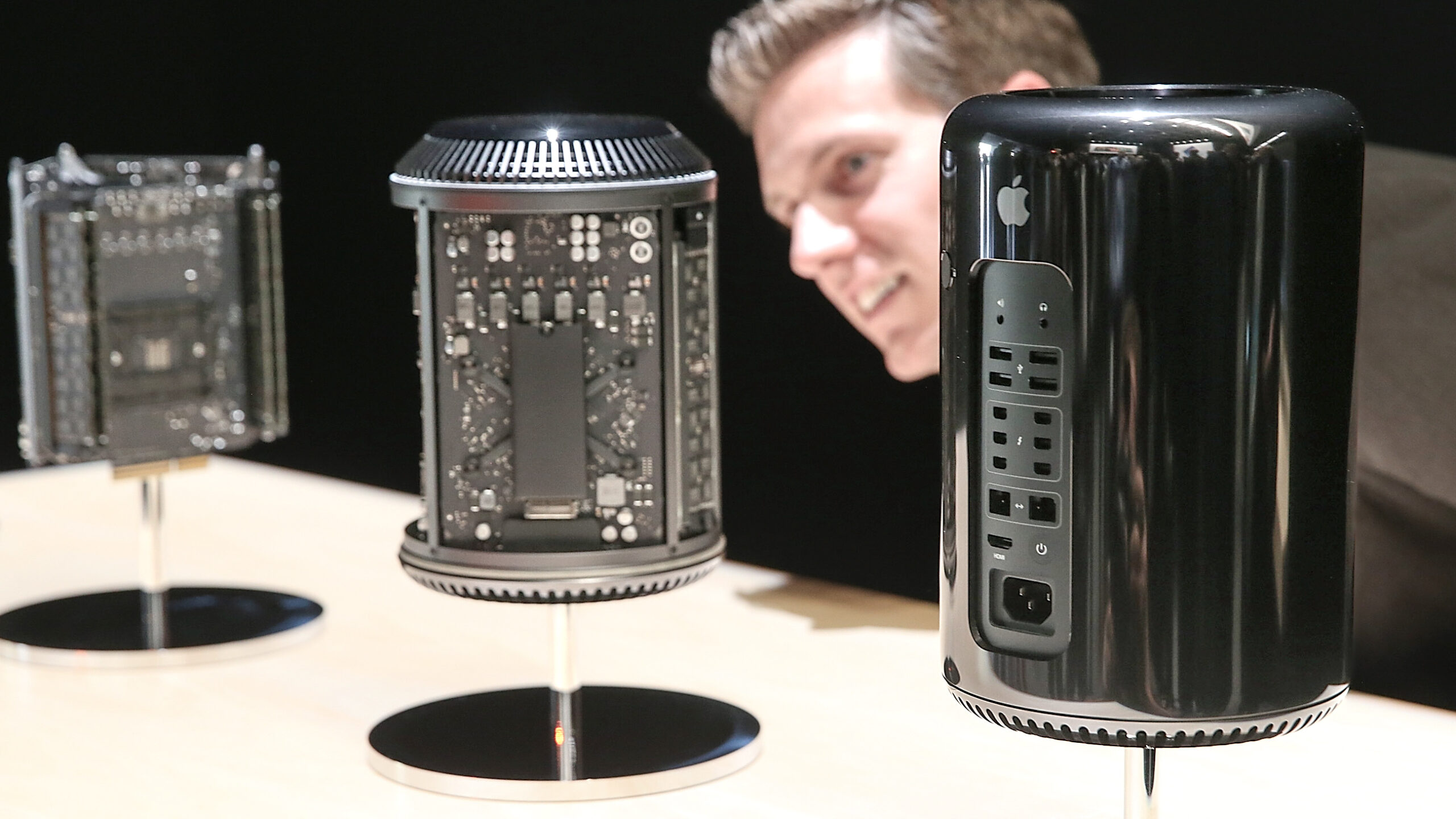
“Can’t innovate anymore, my ass!” Phil Schiller exclaimed with confidence when announcing the new generation of Mac Pro, which was then famously dubbed the “trash can.” It sacrificed the one thing pros want — modularity — for a sleek cylindrical silhouette. And don’t get me wrong, it looked cool. But by betting on this super small build while packing it with dual GPUs, Apple painted itself into a thermal corner and learned a big lesson in style over substance. — Jason England
2014: iPhone 6 Plus — Finally going big, Apple triggers largest upgrade cycle in smartphone history 👍
For the longest time, Apple was reluctant to follow the industry trend of making phones with larger screens. It wasn’t until the iPhone 5 that Apple finally upgraded from the 3.5-inch screens of its previous models to a slightly larger 4-inch version — a strategy that changed substantially with the iPhone 6 release. In addition to a much larger 4.7-inch display in the iPhone 6, Apple introduced an even larger 5.5-inch display with the iPhone 6 Plus. This change convinced many Android users to make the switch, triggering the biggest upgrade cycle in the company’s history. — John Velasco
2014: iPhone 6 Bendgate 👎

If you remember Unbox Therapy’s infamous video of the iPhone 6, then you’ll remember, as I do, how easily the iPhone 6 Plus frame bent under pressure. This kicked off the “Bendgate” controversy, sending Apple’s PR into crisis mode shortly after the video revealed the phone’s structural weakness. Apple learned a hard lesson from the ordeal, eventually switching to 7000-series aluminum with the subsequent iPhone 6s and reinforcing the internal frame. — John Velasco
2014: U2’s Songs of Innocence — forcing an album into 500 million libraries 👎
Who wouldn’t want a free new album from one of the world’s most popular bands? Millions of Apple users, apparently. During the launch of the iPhone 6, Tim Cook announced that he was treating everyone to U2’s newest album, which then showed up on every iPhone, iPad, and iPod — whether you wanted it or not. The backlash was so strong that U2 frontman Bono apologized for how it was delivered. — MP
2014: Apple Watch — Apple’s first major new product category under Tim Cook 👍

The world was waiting to see what Apple’s first new major hardware category would be under Tim Cook and the Apple Watch was the result. Smartwatches were gaining ground thanks to early efforts from Fitbit and Pebble but Apple made its wearable an extension of your iPhone and a capable health and fitness device in its own right. Yearly releases and refinements followed like clockwork, but by always keeping the distinctive squircle design, Apple created a thriving cottage industry of bands, cases and accessories for the Apple Watch. Today, the Apple Watch (and Apple Watch Ultra) continues to be one of the company’s biggest products and is the most popular smartwatch in the world. — Jeff Parsons
2015: The Butterfly Keyboard: The design that launched lawsuits 👎
You know when your keyboard design inspires legal action that you have a problem. The stiff and flat Butterfly Keyboard debuted with the 12-inch MacBook in 2015, but the reports of sticky keys and double typing started to really surface in 2016 once the keyboard landed on the MacBook Pro. Apple would update the Butterfly keyboard multiple times but issues persisted, and class-action lawsuits followed in 2018. Apple retreated and launched the new “Magic Keyboard” in 2019 with traditional scissor switches, and the company began paying out settlement checks in 2024. — Mark Spoonauer
2015: Magic Mouse with charging port on bottom?! 👎
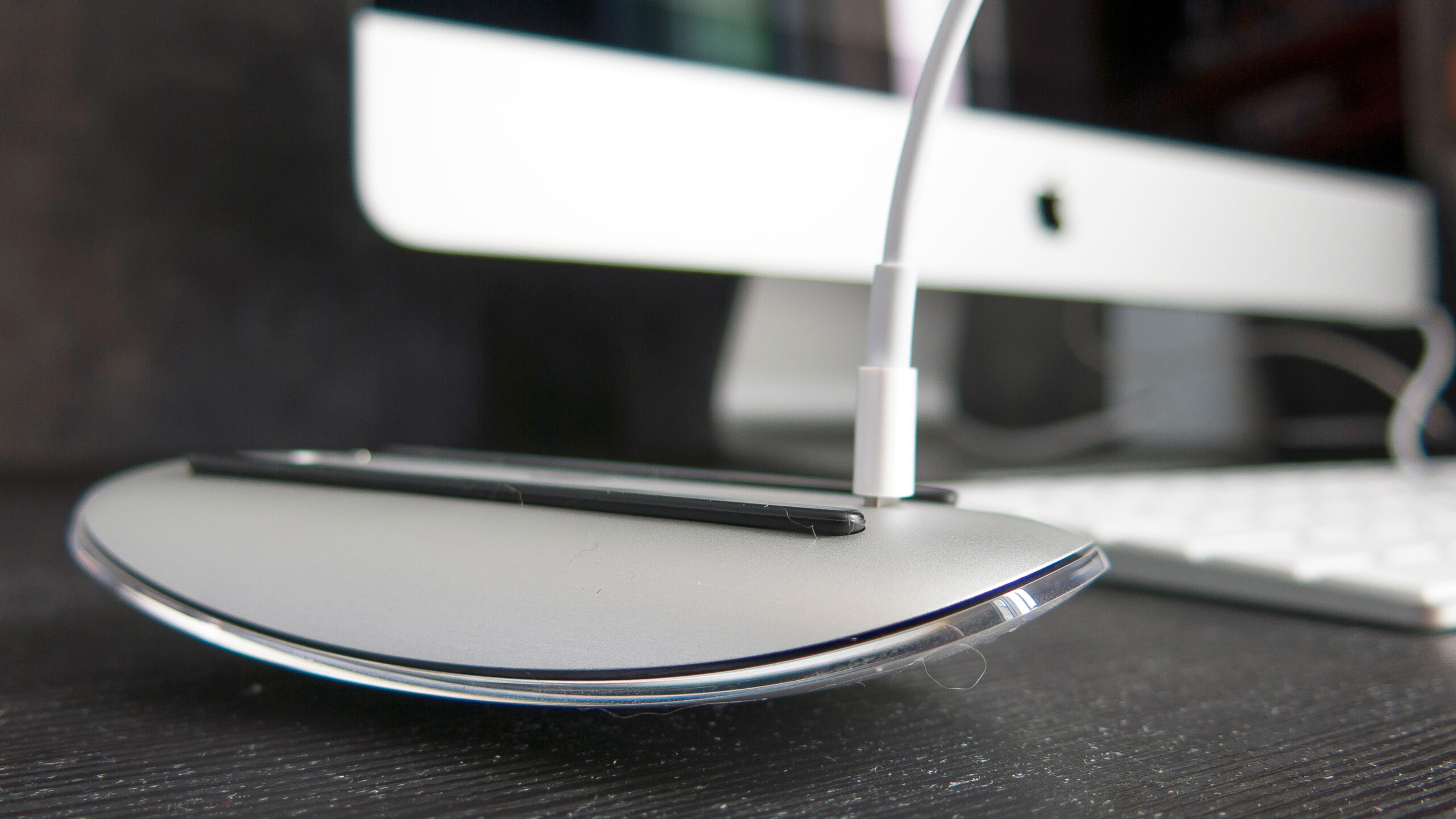
After the Hockey Puck mouse, Apple decided to continue the tradition of form over function when it comes to mice with the arrival of the Magic Mouse. While the Apple Magic Mouse is visually sleek with a single unbroken surface, the decision to put the Lightning port (and later, USB-C) on the underside of the mouse means there’s no way to use it while charging. The $79 mouse will provide up to 9 hours of use from a 2-minute charge, while a full charge will last over a month. But the decision to put the port in such an inaccessible place is still an odd one that Apple has kept in place for over a decade. — Jeff Parsons
2016: RIP headphone jack: Defended as “courage” 👎

When Apple introduced the iPhone 7 back in 2016, it shook the industry by doing something totally unexpected: removing the headphone jack. I remember when Apple’s Phil Schiller famously defended the move as an act of “courage.” While many — myself included — initially saw it as a lackluster excuse, Apple maintained that the extra internal space paved the way for a larger Taptic Engine and improved water-resistant construction. As we eventually learned, the massive success of AirPods would largely negate the need for the jack. Unsurprisingly, the iPhone’s rivals soon followed suit. — John Velasco
2016: AirPods — Apple’s first wireless earbuds become a cultural phenomenon 👍
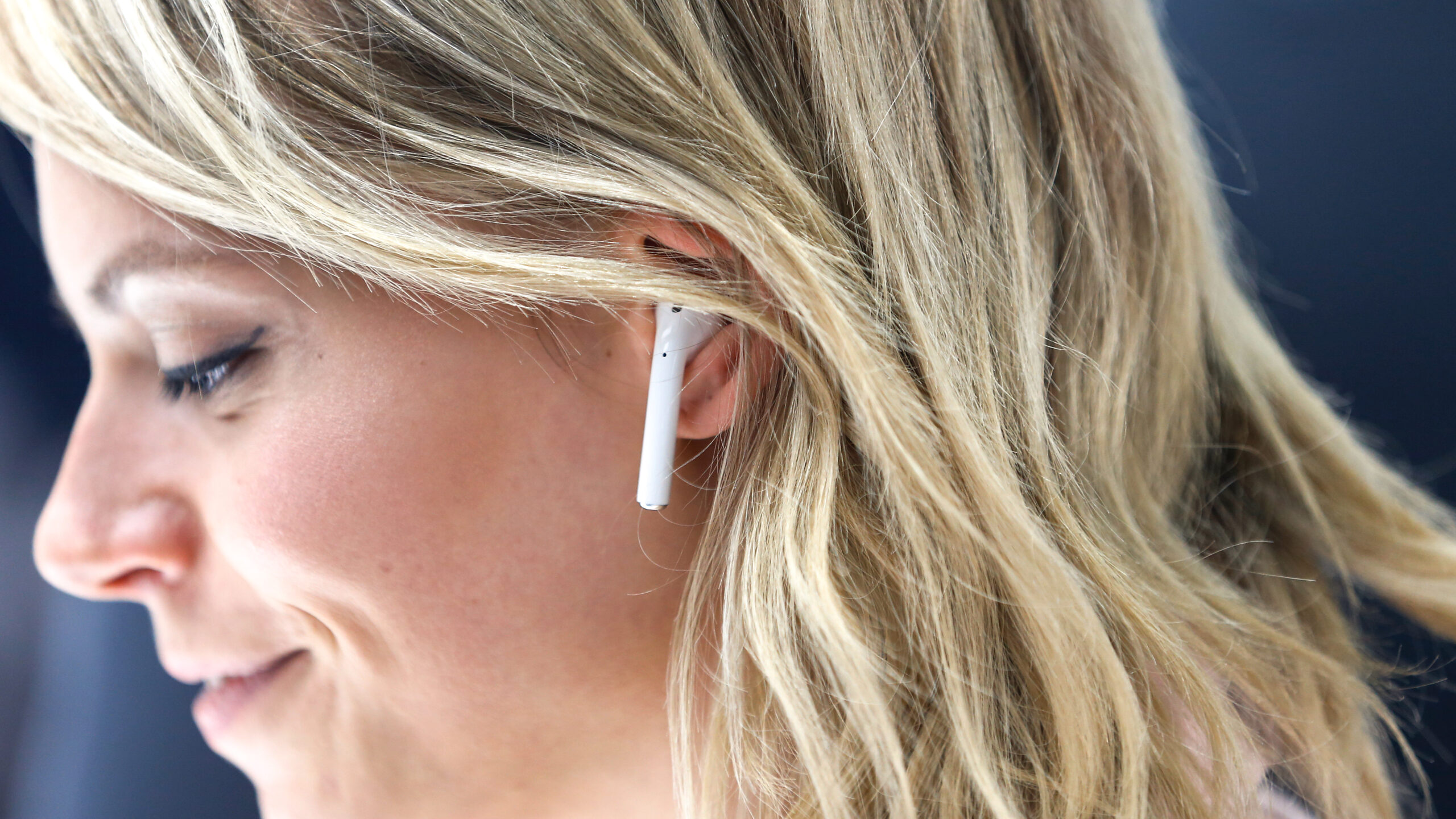
To Apple’s credit, the decision to remove the headphone jack single-handedly popularized the wireless earbuds form factor and, effectively, paved the way for the AirPods to corner the market. The AirPods launched in 2016 and delivered instant Bluetooth pairing, automatic pausing when you pulled them out of your ears and a handy charging case that delivered 24 hours of extra juice. Some criticized the design, but it wasn’t long before these buds were ubiquitous. — Nick Pino
2016: Macbook Pro Touchbar fail 👎
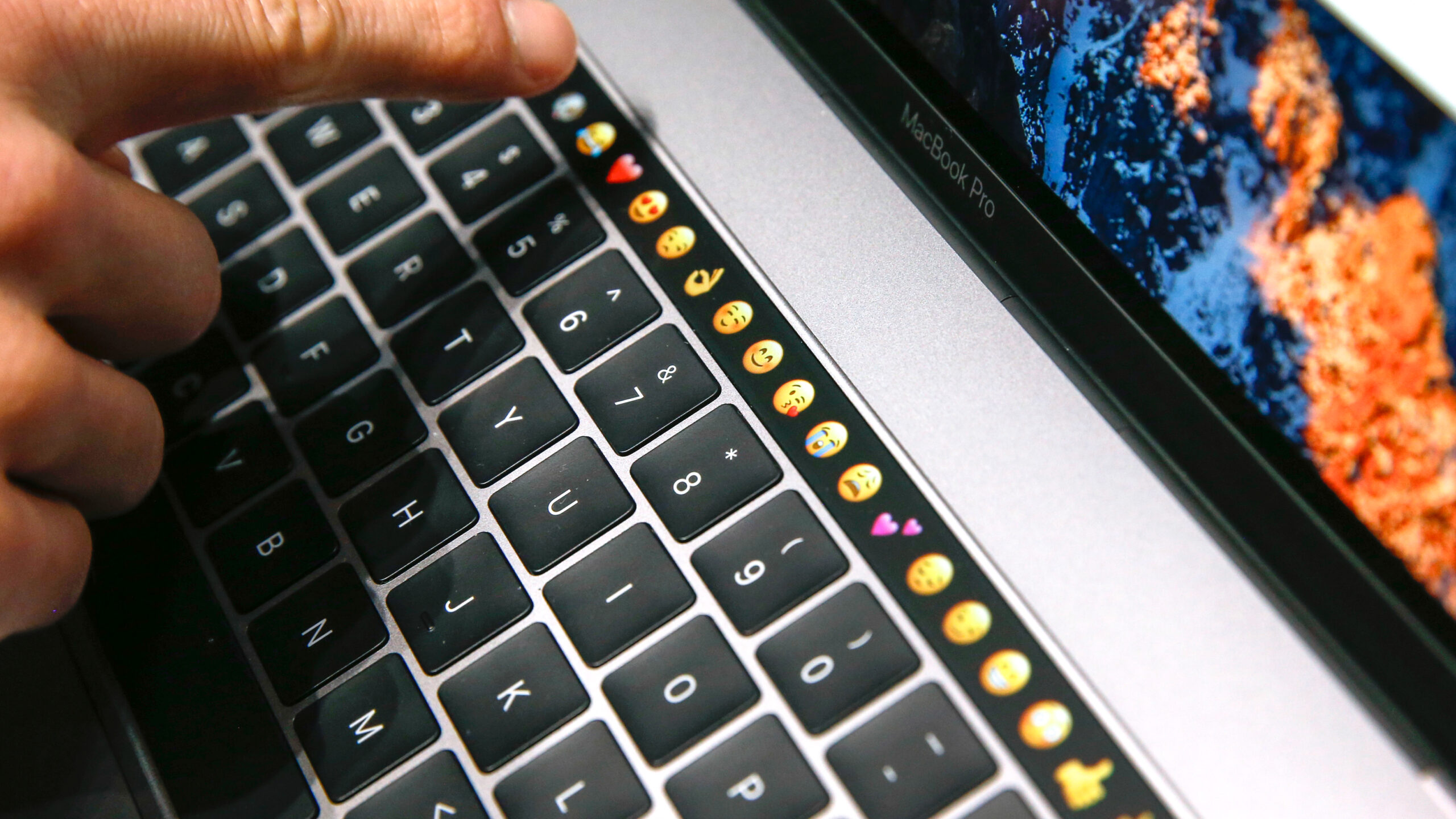
The Touch Bar was an OLED touchscreen strip added to the top of the MacBook Pro instead of traditional function keys. The idea behind it was to offer contextual controls based on the app being used. In some cases, it worked well — like using it to scrub through video edits quickly. However, many users complained that the innovative idea wasn’t as useful as having familiar and ever-present physical buttons. The Touch Bar lasted from 2016 until 2021 when it was phased out on newer MacBook Pros for the return of a standard function row. — Jeff Parsons
2017: iPhone X — The “all-screen” shift and introduction of FaceID 👍
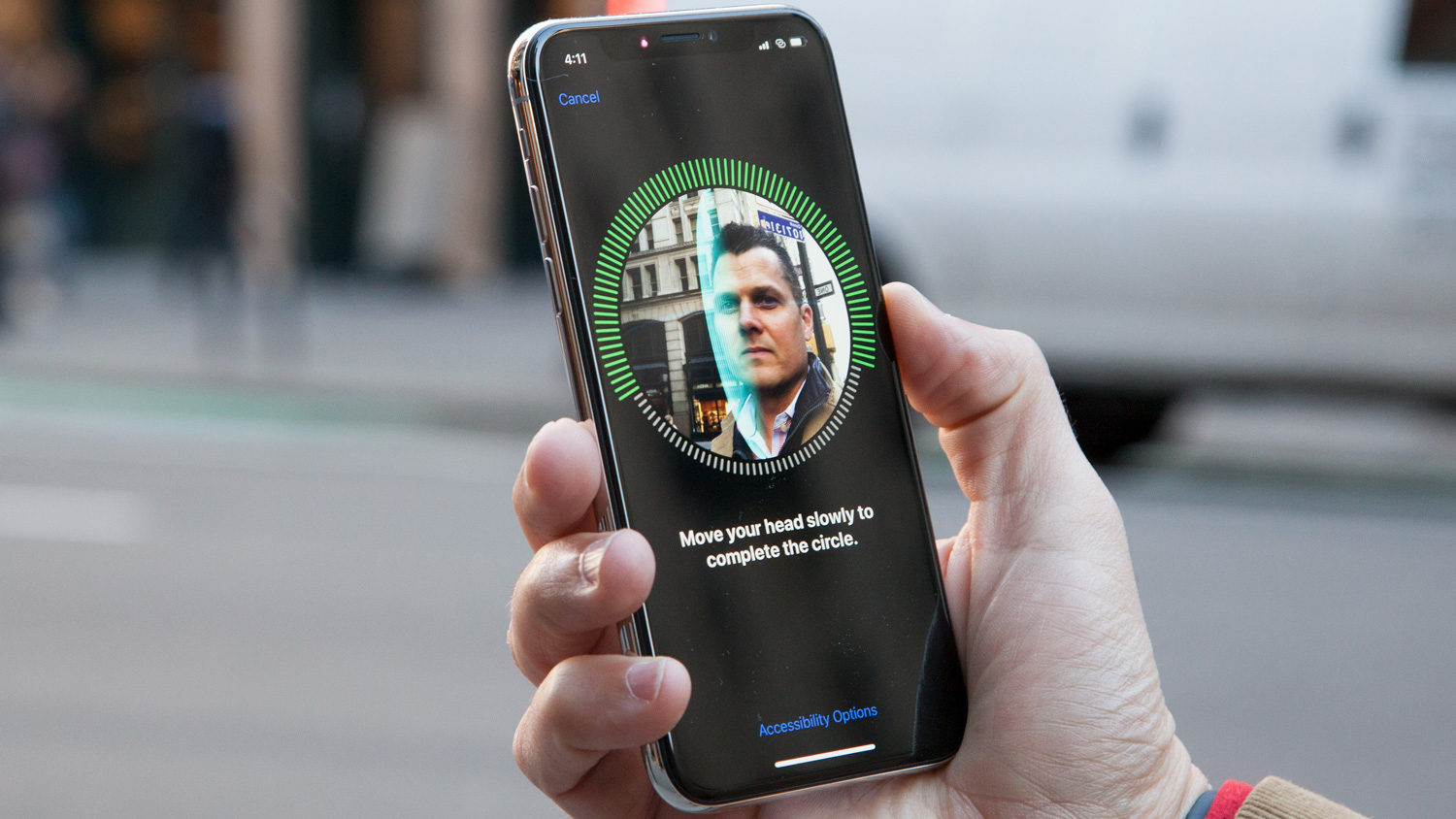
We take the innovations inside the iPhone X for granted now, but they truly changed the game. Face ID revolutionized how we unlock our phones easily and security — and still has not been copied, while gesture-based navigation allowed Apple to ditch the Home button. Add in an edge-to-edge OLED display and the iPhone X was a true turning point for phones. – Mark Spoonauer
2017: Batterygate — Throttling older phones without telling customers 👎
Another major PR crisis for Apple hit in late 2017 when it was discovered that the company was intentionally throttling the performance of older iPhones. Following the release of iOS 10.2.1, it was revealed that CPU speeds were being capped on devices with degraded batteries — an event that kicked off “Batterygate.” Apple defended the move as a way to extend the overall life of the devices, but it was the lack of transparency that sparked the most outrage. Critics accused Apple of attempting to force users to upgrade to new models, a controversy that eventually led to a massive $500 million class-action settlement. — John Velasco
2018: HomePod 1st Gen — Too expensive (and rings on wood furniture) 👎
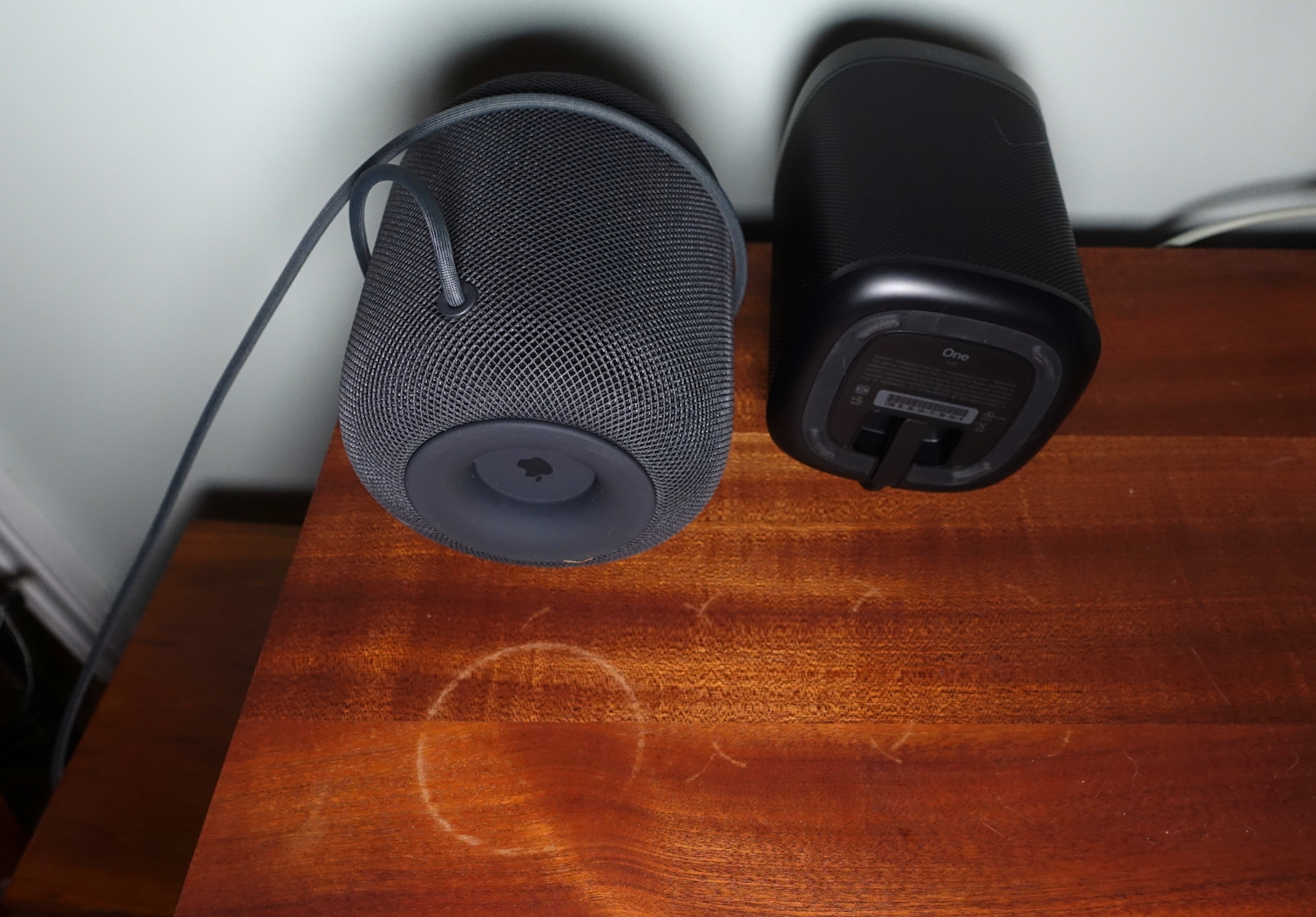
Several years after Amazon and Google launched their own smart speakers, Apple debuted the HomePod, which, despite excellent audio, cost much more than the competition. And, early reviewers (like yours truly) also discovered that the silicone ring on the bottom of the speaker could leave white rings on wood furniture. To be fair, other smart speakers did too, but none so prominently as the HomePod. — MP
2019: AirPower Cancellation 👎
Apple’s advanced charging mat was supposed to offer a sleek, all-in-one solution to wirelessly charge all your devices. In theory, you could put any Apple device anywhere on the pad to have it charge up. In practice, a prototype mat apparently got so hot it began to melt an AirPods case. In 2019, Apple officially confirmed the product was dead, saying “AirPower will not achieve our high standards and we have cancelled the project.” — Jeff Parsons
2020 – Present
2020: Apple Silicon and M1 — ending the Intel era with a bang 👍
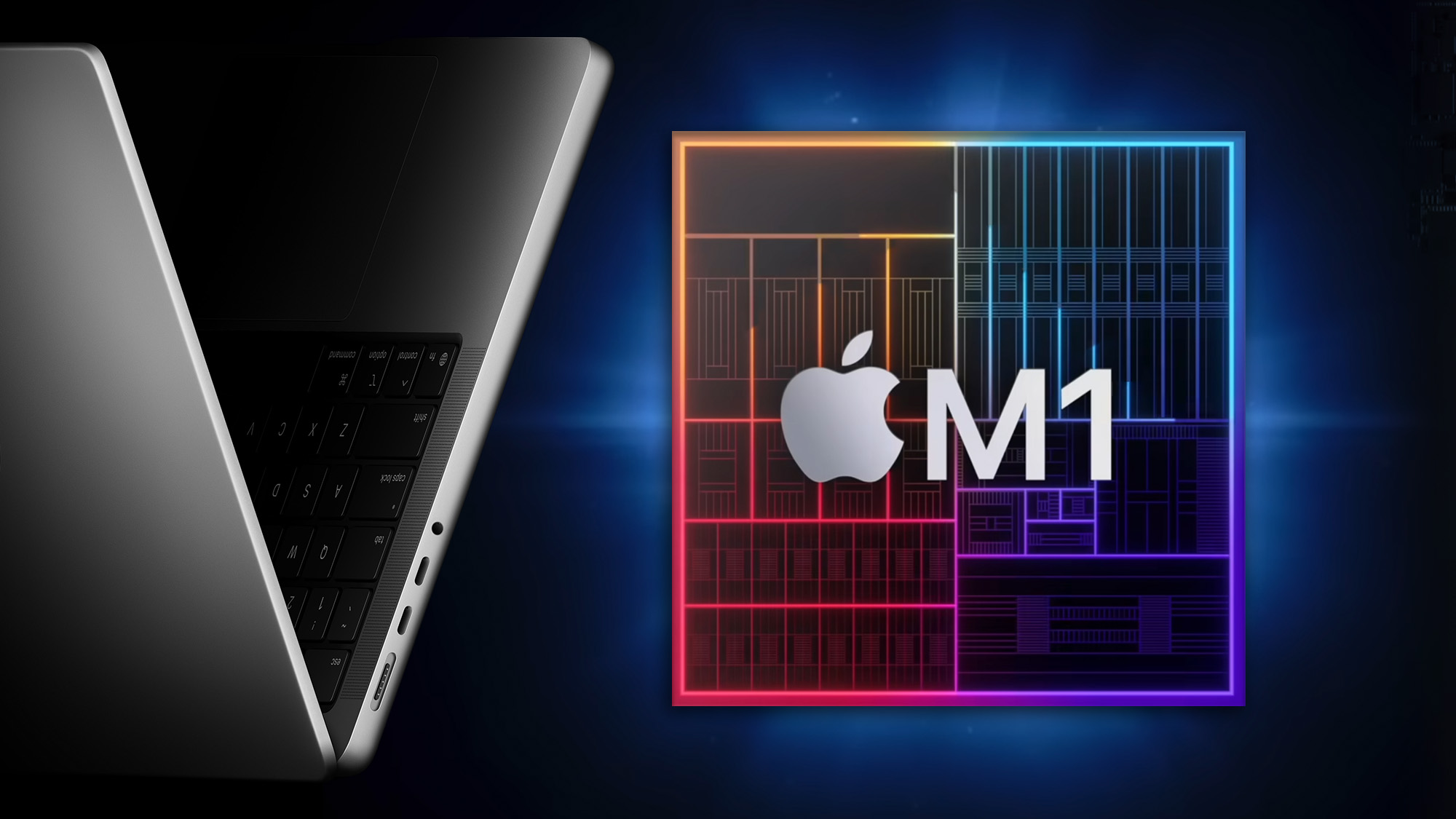
Talk about a gamble. The MacBook Air M1 was Apple’s very first attempt at Apple Silicon in a Mac and a very purposeful move away from Intel. And it could not have gone better. Apple’s M1 chip delivered the longest battery life we’ve ever seen in a MacBook Air at nearly 15 hours in our testing — compared to 9:30 for the Intel model — and it offered remarkably fast performance to boot along with instant wake times. Plus, unlike Windows-on-ARM laptops, most of the software on Apple Silicon actually worked on day one. It would take several years for Intel to catch up. — Mark Spoonauer
2020: The totally underrated MagSafe launches 👍
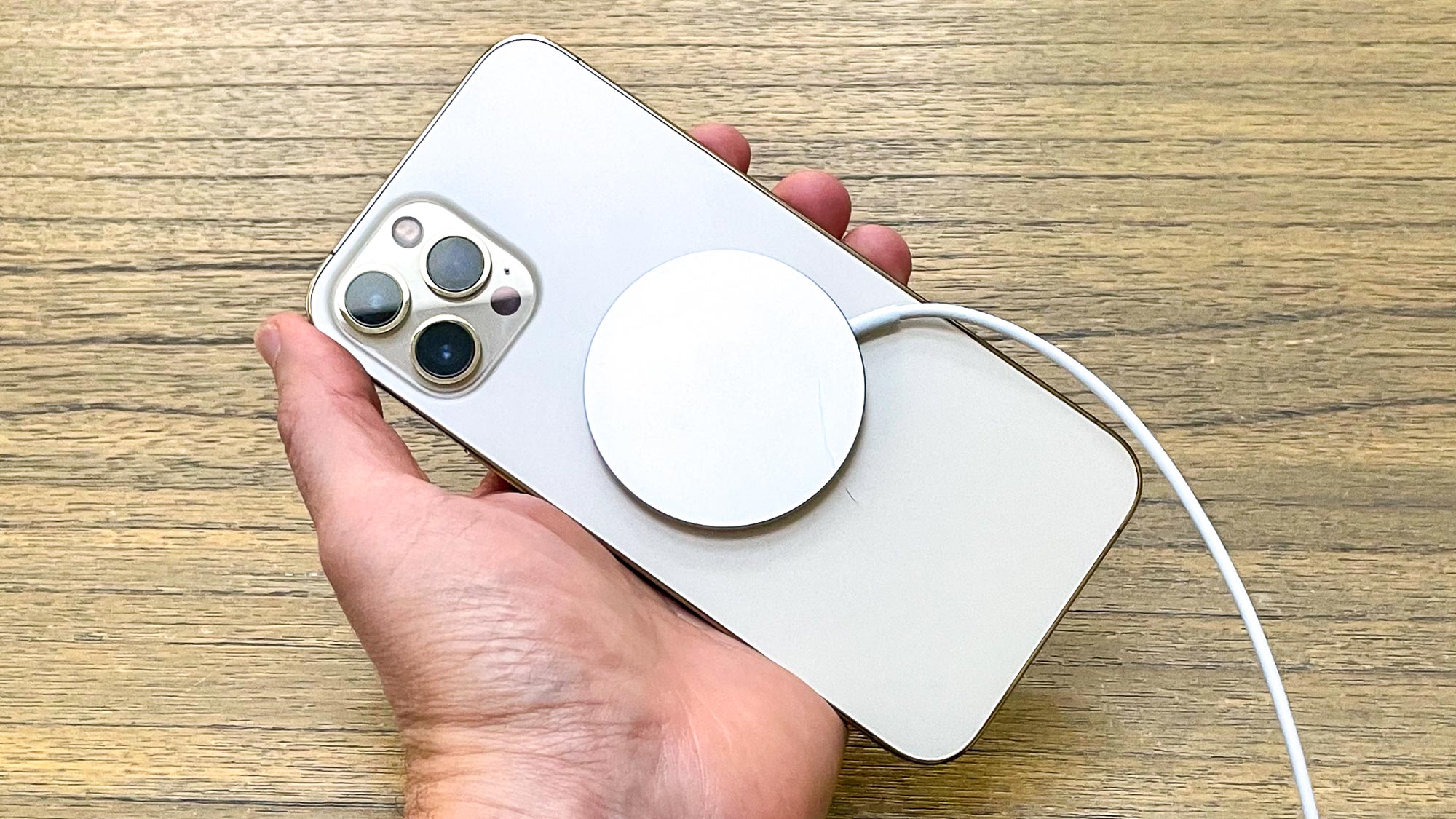
It might seem like a simple addition, but the arrival of magnetic charging in the iPhone 12 heralded not only an easier way to charge iPhones but enabled all sorts of MagSafe accessories, from battery packs and charging stands to wallets, grips and iPhone mounts. Apple introduced StandBy mode a year later with iOS 17, which turns iPhones with always-on displays into alarm clocks. Samsung hasn’t even added magnets to its phones yet. – Mark Spoonauer
2020: AirPods Max “Smart Case” — The “bra” case that offered zero protection 👎
Woof, for a company that prides itself on design, the AirPods Max’s carrying case is… a choice. AirPods Max owners were quick to take to social media to voice their concerns about how little protection the case offered and it’s still being used as a meme today to diss products with bad designs. The headphones are great, but the case is easily Apple’s worst-designed product of the last decade. — Nick Pino
2020: Ted Lasso — The “kindness” hit that defined the early TV+ era 👍
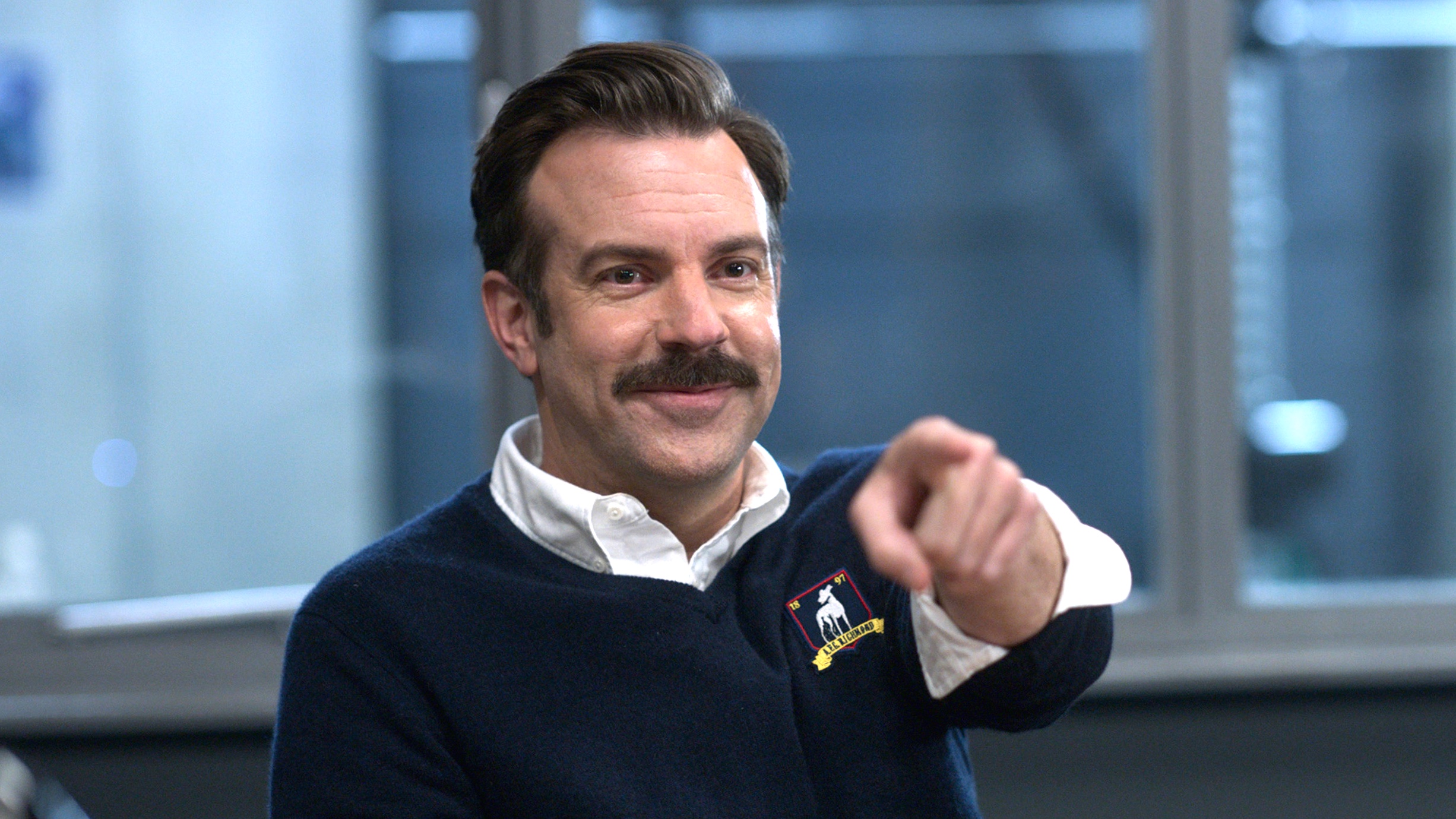
I’d argue it was the infectious positivity of “Ted Lasso” that truly put Apple’s own streaming service on the map. For a while there, the main reason that you signed up and/or used a free trial of Apple TV+ (as it was called then) was to watch Ted (Jason Sudeikis) stumble his way through his new gig as head coach for Premier League soccer team, AFC Richmond. What followed was three seasons of feel-good, warm-hearted TV that made many of us “believe” in Apple’s exclusive shows. — Martin Shore
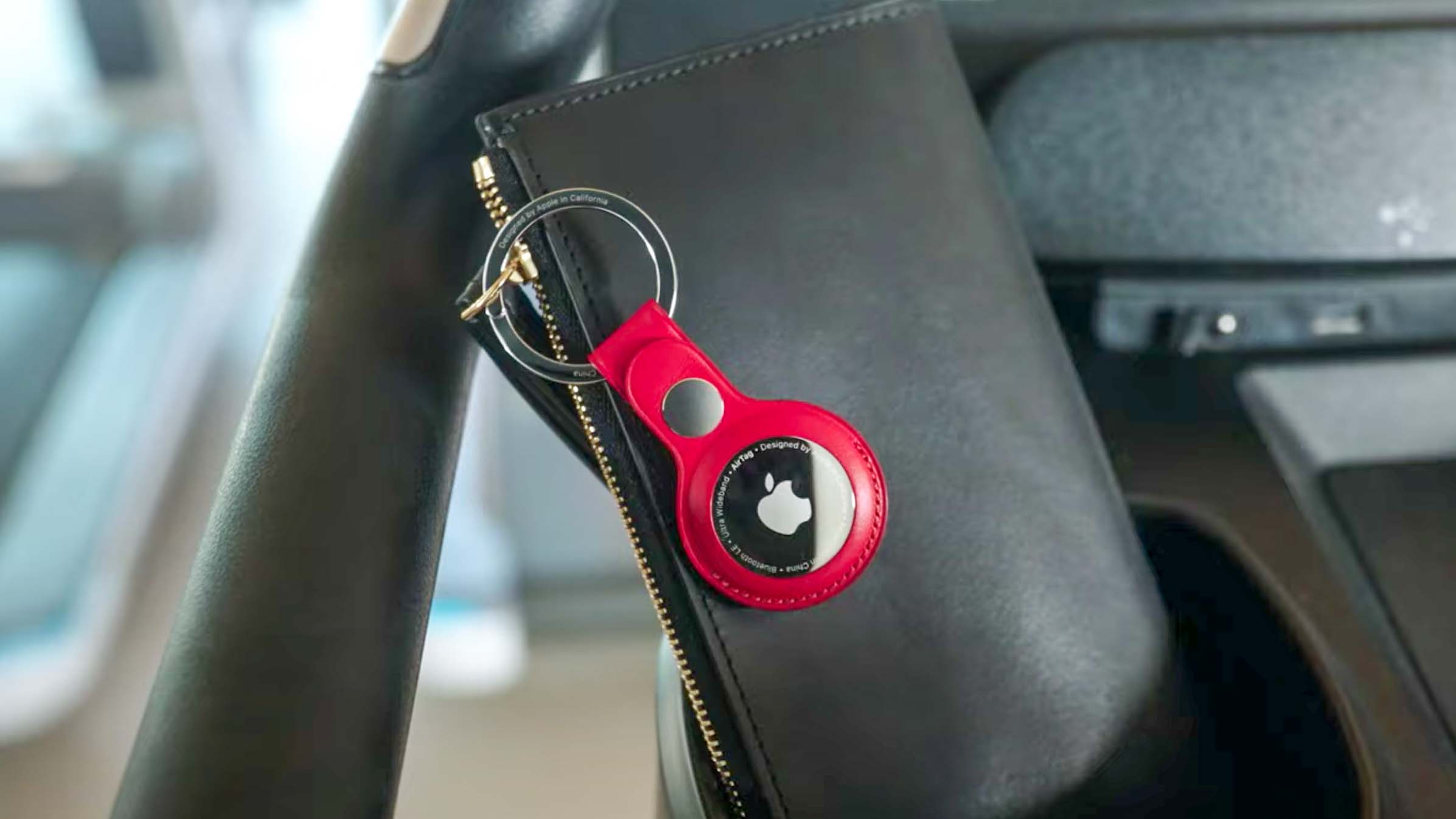
GPS trackers have been around for a long time, but Apple’s take completely changed the field with the release of the AirTag in 2021. This diminutive tracker relied on a totally different type of tech to help people track items down, by transforming every Apple device into a beacon for pinpointing the location of a missing AirTag. Apple leaned on Ultra-Wideband technology and its own custom U1 chip to offer Precision Finding through the Find My network. This made an immediate impact on the way we keep track of our personal items and, perhaps most importantly, it was and continues to be remarkably affordable. — John Velasco
2022: CODA’s Best Picture Win — Apple becomes first streamer to win the big Oscar 👍
Another big entertainment win came in 2022 when Apple Original Film “CODA” bested the likes of “Dune,” “West Side Story” and two Netflix releases — “The Power of the Dog” and “Don’t Look Up” — at the Oscars, scooping up Best Picture, plus wins for Troy Kotsur (Best Supporting Actor) and Siân Heder (Best Adapted Screenplay). It made history as the first movie with a predominantly Deaf cast, and it meant Apple became the first streamer to win the top prize at the Academy Awards. — Martin Shore
2024: The Apple Intelligence waiting game 👎
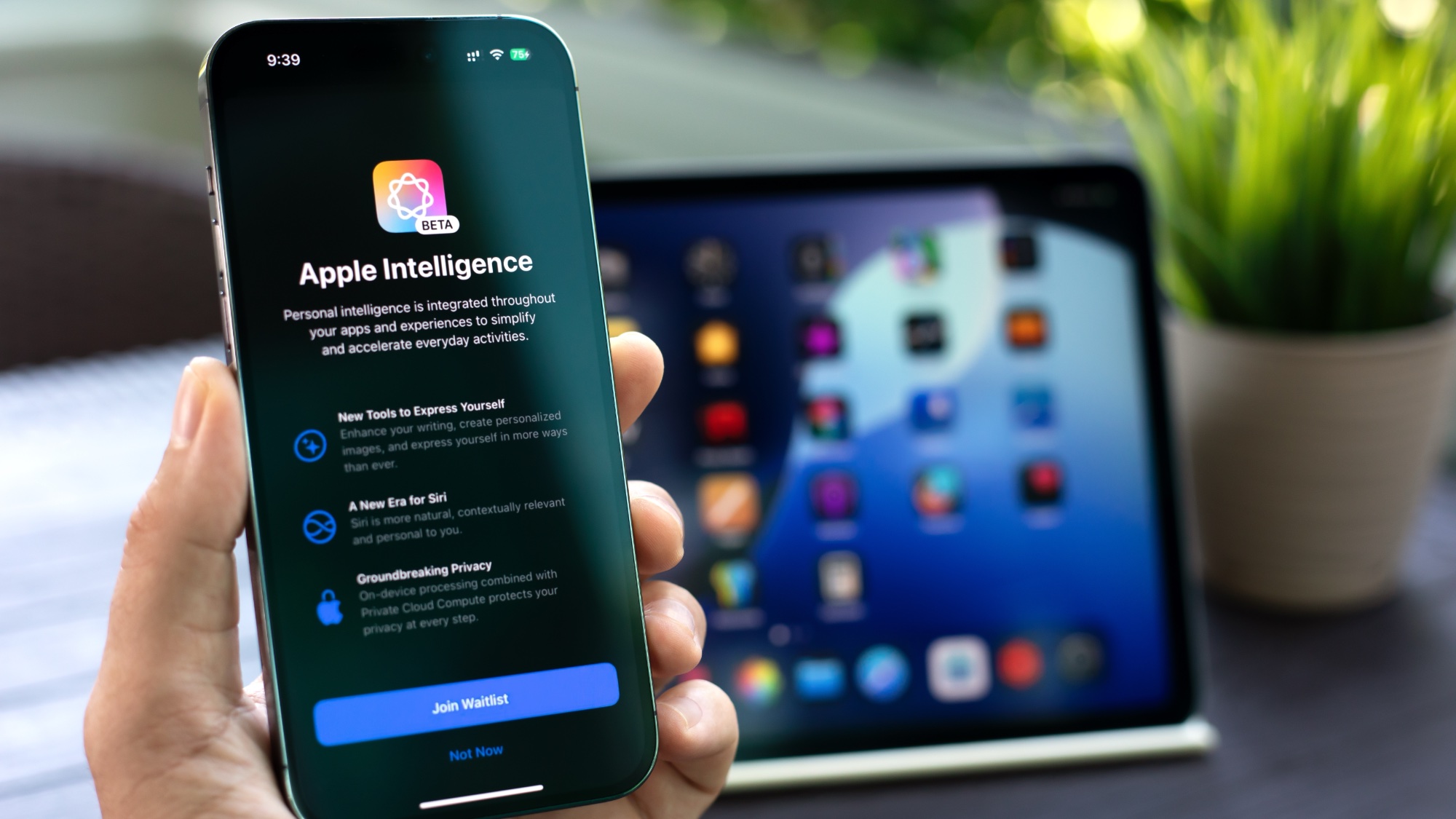
In the aftermath of ChatGPT’s meteoric rise, Apple needed to respond in 2024, and let’s just say that Apple Intelligence has not lived up to the hype so far. Two years later we’re still waiting on some of the key features promised — like in-app actions and personal context within Siri — and I had a chance to interview Apple’s Craig Federighi and Greg ‘Joz’ Jozwiak about the delay. Yes, we got some useful AI stuff like Writing Tools and Clean Up in Photos, but we’re still waiting for the revamped Siri. That should change with iOS 27. — Mark Spoonauer
2024: Apple Vision Pro wows (and then underwhelms) 👎
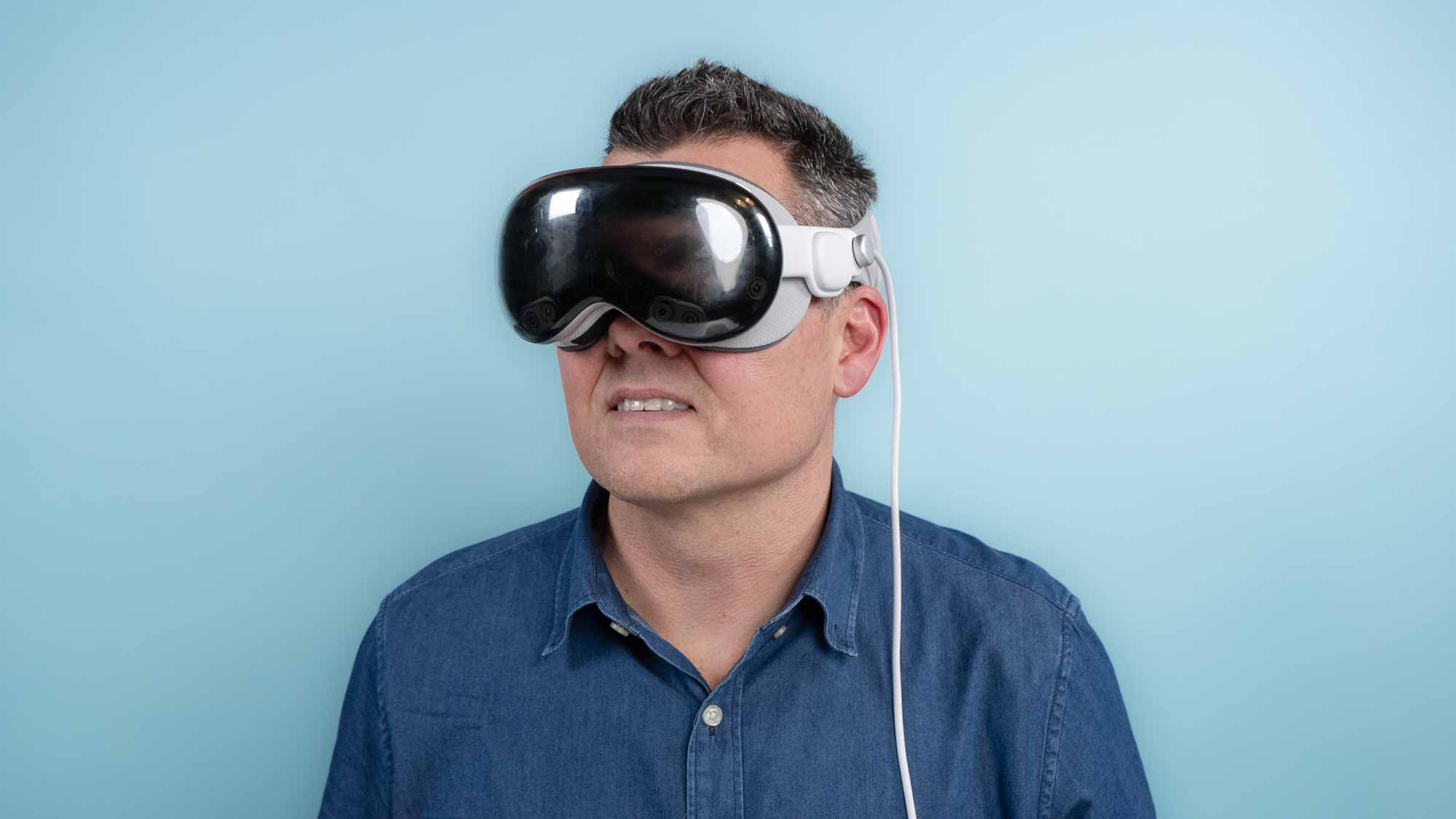
The Apple Vision Pro amazed me when it launched, but I called it a “revolution in progress” for a reason. Being able to navigate with just your eyes and finger gestures wowed, and I loved being able to watch 3D movies and just stare at my MacBook to get a supersized desktop. But the $3,500 asking price was way too high and the design too heavy. And while the new Vision Pro M5 is more powerful with a comfier strap, it’s just not accessible to the masses. Perhaps the rumored Apple Glasses could take visionOS to the spatial computing promise land. – MS
2025: Pluribus becomes Apple TV’s most-watched show ever 👍
When it was revealed that Apple TV won the bidding war for “Pluribus,” it was a big deal. The “Breaking Bad” and “Better Call Saul” creator had just wrapped up producing two of the best shows of this century, so whatever was coming next was guaranteed to make a splash. But it exceeded expectations when it not only beat out “Severance” for the biggest launch of a drama series, but then became the most-watched series in Apple TV history, right before its season 1 finale. — Malcolm McMillan
2026: Macbook Neo puts all budget Windows PCs on notice 👍
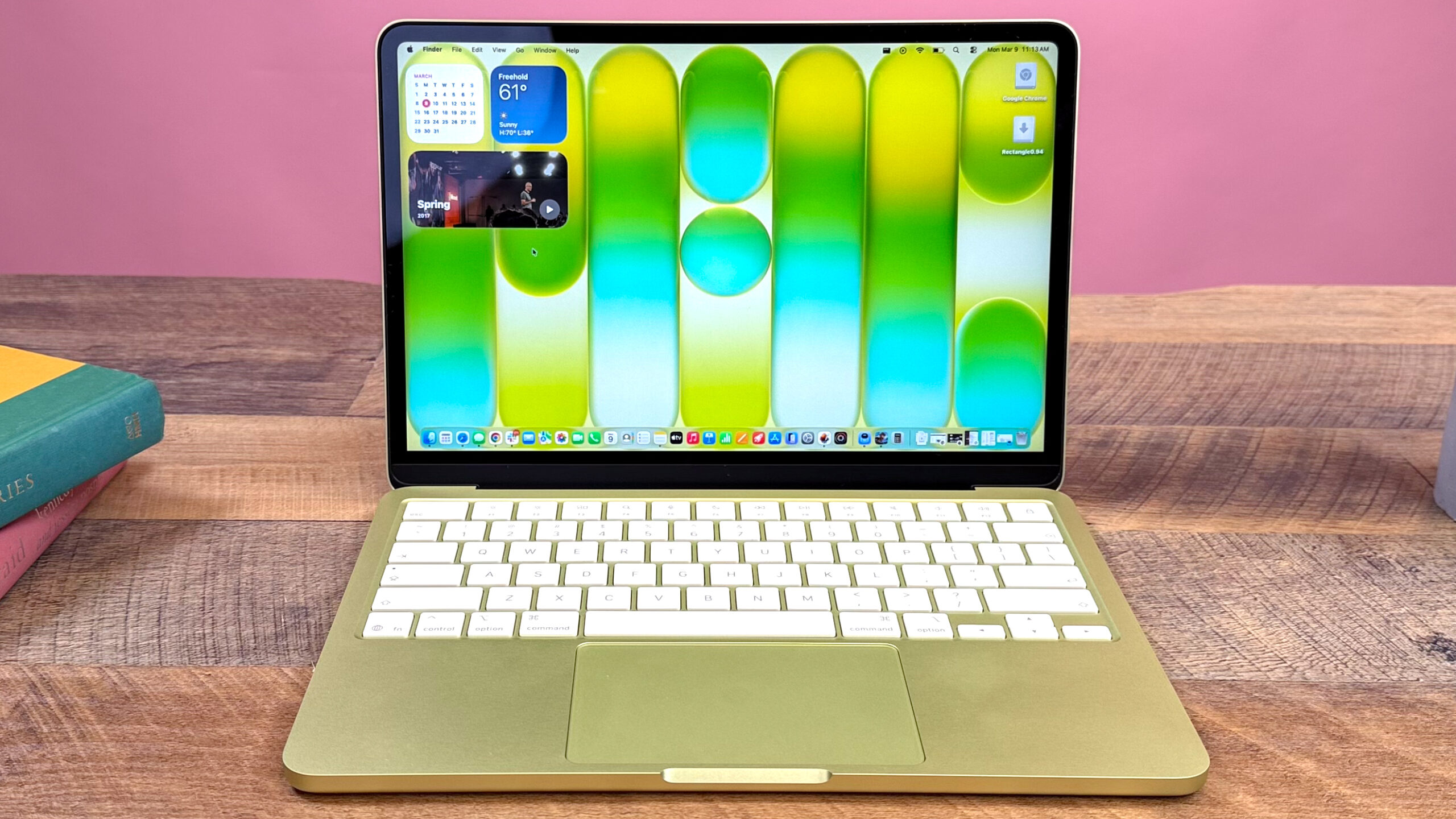
At a time when Windows laptop makers are raising prices due to RAMageddon, Apple has released the $599 MacBook Neo ($499 for education) — and it could wind up being the laptop of the decade. This system features pretty much everything most users want from a MacBook, including a sturdy aluminum design, a bright display and long battery life, in a very affordable package. — Mark Spoonauer
