
Iran, China move to promote Yuan in oil trade amid US-Israel ceasefire
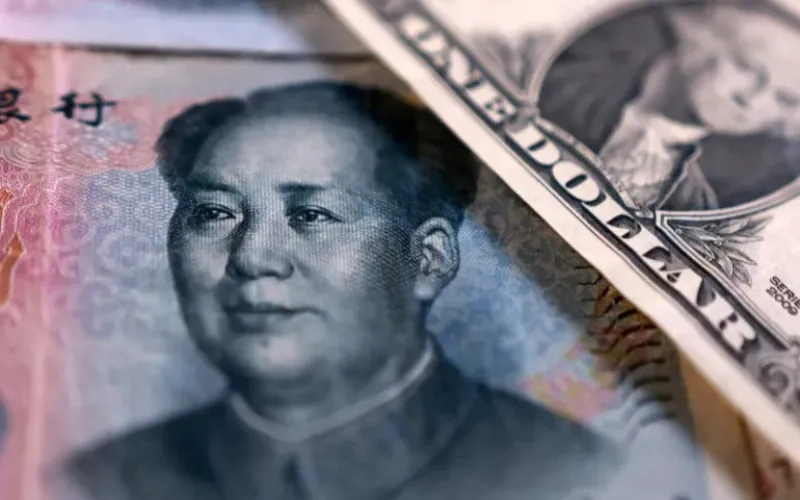
For Tehran and Beijing, elevating the yuan is a win-win.
As the US-Israel conflict with Iran paused for two weeks on Wednesday amid new diplomatic negotiations disrupting the global economy for over a month, Iran and China have seized the moment to address a shared concern about the international financial system.
For years, they have argued that Washington has used the dollar’s dominance in global trade to exert influence and punish adversaries and rivals, including Iran and China.
The dollar’s supremacy is particularly evident in the global oil market, where approximately 80 percent of transactions are settled in the currency, according to a 2023 estimate by JP Morgan Chase.
In Iran’s control of the Strait of Hormuz, a vital passage from the Gulf that transports about one-fifth of the world’s oil and liquefied natural gas supplies, Tehran and Beijing have found a way to promote the Chinese yuan as an alternative to the dollar.
Under Iran’s de facto toll regime, commercial vessels are being charged transit fees in yuan, based on multiple reports, marking a deepening of Chinese-Iranian economic cooperation facilitated by China’s currency.
Though it’s unclear how many vessels have paid in yuan, at least two had done so by March 25, according to Lloyd’s List.
Last week, China’s Ministry of Commerce acknowledged Lloyd’s List’s report in a social media post, seemingly confirming the use of yuan for settling payments.
On Saturday, Iran’s embassy in Zimbabwe stated on social media that it was time to introduce the “petroyuan” into the global oil market.
Tehran, which announced it would ensure safe passage through the strait for two weeks under a ceasefire agreement with the US, and Beijing did not respond to requests for comment.
