
Pakistan mediating US-Iran ceasefire ‘severe setback’ for Modi’s diplomacy, says Congress
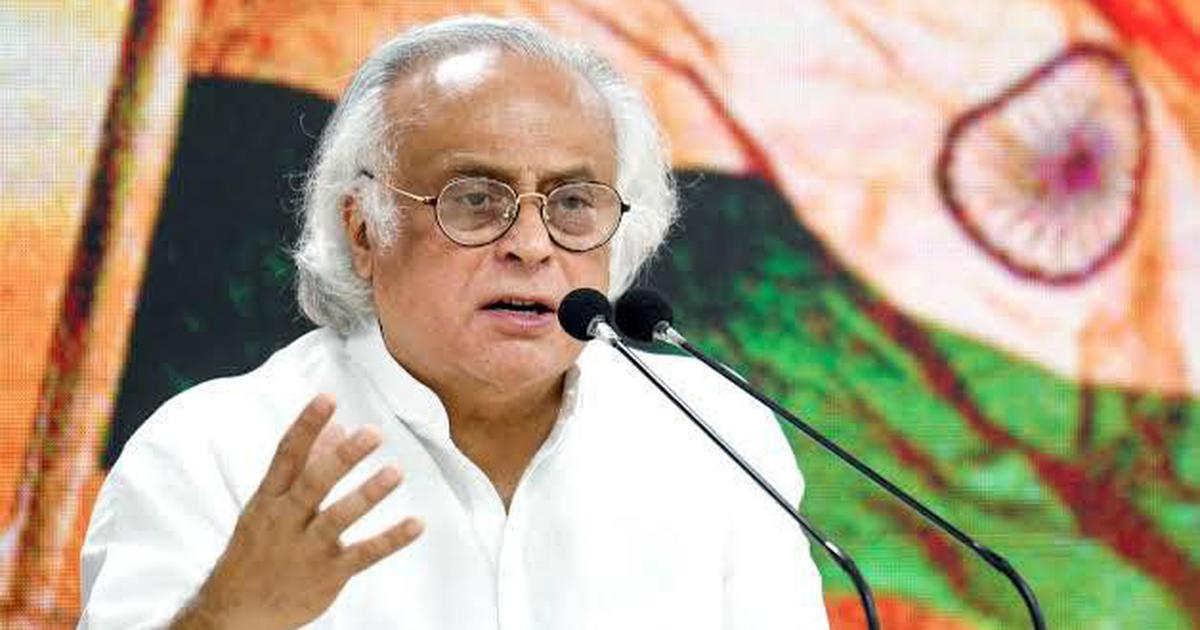
Congress Rajya Sabha MP Jairam Ramesh.
|
Pakistan facilitating the ceasefire talks between the United States and Iran was a “severe setback” for Prime Minister Narendra Modi’s “highly personalised” style of diplomacy, said the Congress on Wednesday.
Modi’s “self-styled vishwaguru [world leader]” image had been “thoroughly exposed”, with his “self-declared 56-inch chest shrunk and shrivelled”, wrote Congress leader Jairam Ramesh on social media.
The Rajya Sabha MP’s criticism of the prime minister came hours after US President Donald Trump announced a two-week ceasefire in West Asia in exchange for Iran reopening the Strait of Hormuz.
In a social media post, Trump said that Pakistani Prime Minister Shehbaz Sharif and Pakistani military chief Asim Munir had requested him to “hold off the destructive force being sent tonight to Iran”.
Sharif also invited the US and Iranian delegations to Islamabad on Friday “to further negotiate for a conclusive agreement to settle all disputes”.
Soon after, Ramesh wrote on social media that “a bankrupt economy” like Pakistan being able to play a crucial role in the ceasefire talks “calls into question Mr Modi’s strategy of engagement and narrative management”.
India’s Ministry of External Affairs on Wednesday welcomed the ceasefire, adding that it hopes the agreement will bring lasting peace in West Asia.
“The conflict has already caused immense suffering to people and disrupted global energy supply and trade networks,” ministry said. “We expect that unimpeded freedom of navigation and global flow of commerce would prevail through the Strait of Hormuz.”
Congress leader Priyanka Gandhi Vadra described the language used by Trump while issuing warnings to Iran to accept the ceasefire plan as “despicable”.
“The world is watching and understanding as the veil of morality falls from across the face of the West,” she said. “Hatred, anger, violence and injustice never win.”
Trinamool Congress MP Mahua Moitra said that “Iran has taught the world what courage and having a spine is all about”, adding that India’s leadership should “deal with bullies firmly”.
Trump said that Washington had received a 10-point proposal from Tehran, which it believed was a “workable basis on which to negotiate”.
Israeli Prime Minister Benjamin Netanyahu on Wednesday said he supports Trump’s decision to suspend strikes on Iran, but added that the ceasefire does “not include Lebanon”, where his country’s forces have launched a ground invasion and are fighting Iran-backed Hezbollah.
How the world reacted
Iraq’s Ministry of Foreign Affairs welcomed the ceasefire, stating that the US and Iran must fully commit to achieving a lasting resolution.
The ministry stressed the need for “full commitment to the ceasefire and refraining from any escalations”, Al Jazeera reported.
The Egyptian Ministry of Foreign Affairs described the ceasefire as “a very important opportunity that must be seized to make room for negotiations, diplomacy, and constructive dialogue”.
Egypt also pledged to continue efforts with Pakistan and Türkiye to promote security and stability in the region.
United Nations Secretary-General António Guterres welcomed the ceasefire announcement and called on all the parties “to comply with their obligations under international law and to abide by the terms of the ceasefire in order to pave the way toward a lasting and comprehensive peace in the region”.
His spokesperson, Stephane Dujarric, stated that Guterres also expressed appreciation for the efforts of Pakistan and other countries involved in facilitating the ceasefire.
In the US, Congressman Gregory Meeks, a Democratic party member, said that a “temporary ceasefire was not enough” and that the administration must work closely with Gulf partners to secure “long-term regional stability”.
Australian Prime Minister Anthony Albanese reiterated calls for de-escalation, warning that prolonged conflict would increase the impact on the global economy and human costs.
“Australia wants to see the ceasefire upheld and a resolution to the conflict,” he said.
Albanese also told Sky News that Trump’s threat to the Iranian population was not appropriate.
“I don’t think it’s appropriate to use language such as that from the President of the United States,” he said. “And I think it will cause some concern.”
Earlier on Tuesday, Trump had warned that a “whole civilisation will die” in Iran if the country does not agree to a deal before the deadline.
Malaysia’s Prime Minister Anwar Ibrahim said the ceasefire could contribute to restoring regional and global stability.
“It is earnestly hoped that the negotiation process will be conducted in good faith, with a firm resolve to seeking lasting resolution to the issues currently facing the region,” he said. “Peace talks cannot succeed if the proceedings are cloaked in deception and double-dealing.”
He also extended appreciation to Pakistan for its role in the mediation, calling Shehbaz Sharif’s diplomacy “tireless and courageous”.
Japan and New Zealand also welcomed the ceasefire but stressed that further efforts would be needed to secure a durable peace and stability in the region, AP reported.
Also read important updates from the conflict in West Asia
