
Trump’s threat wasn’t a slip, it was a tactic. And it worked
Trump doesn’t negotiate like a traditional politician. He uses pressure – aggressive rhetoric, hardline demands and escalation – to force concessions. The test now is whether that approach can hold.
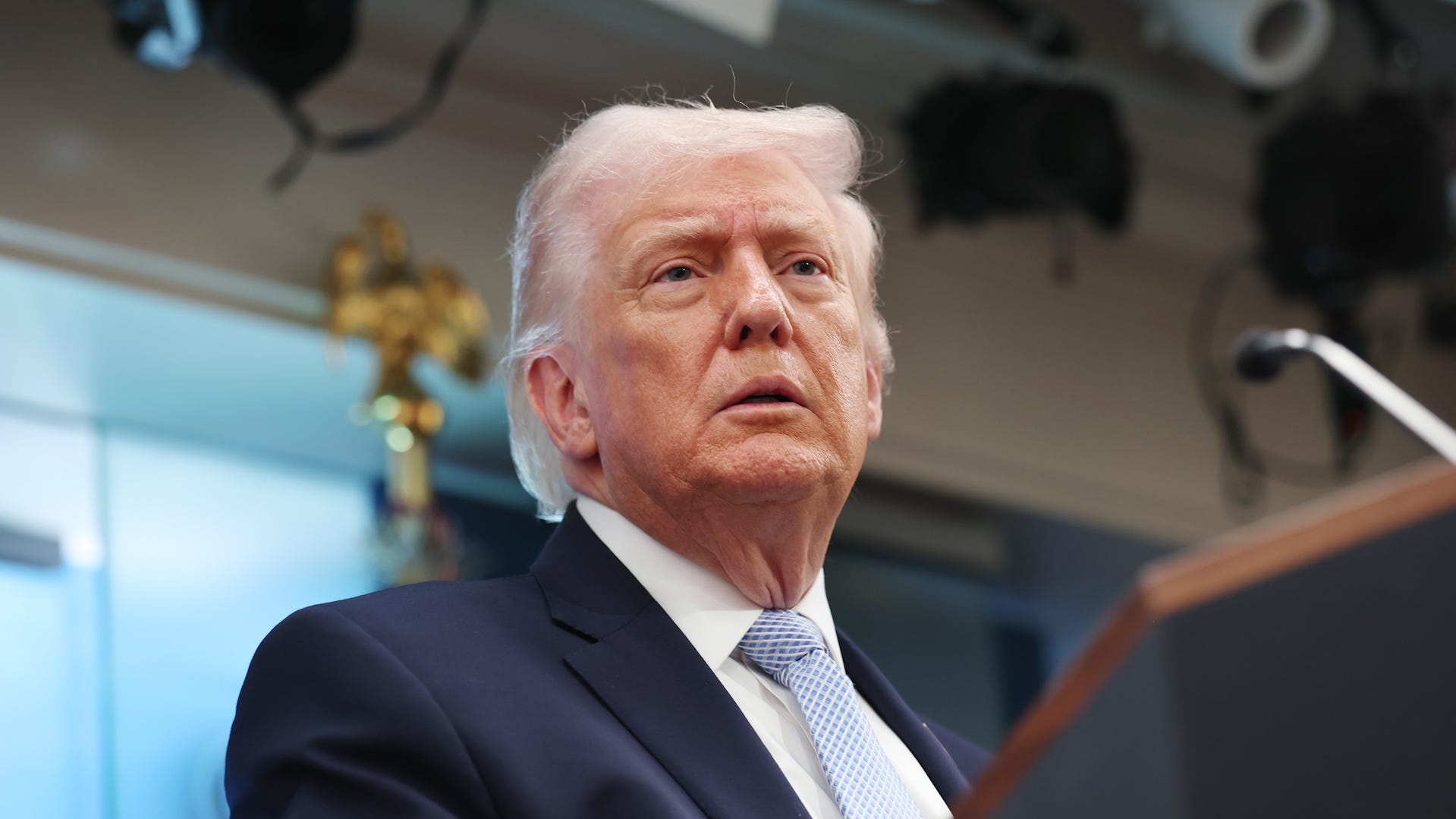

President Trump announces two-week Iran ceasefire
President Donald Trump announced the U.S. reached a ceasefire with Iran for two weeks, just hours ahead of a deadline Trump imposed.
Hours before his self-imposed deadline, and after warning that a “whole civilization” could be wiped out, President Donald Trump announced a ceasefire with Iran, conditioned on Tehran reopening the Strait of Hormuz.
Trump’s threat to destroy a “whole civilization” was not a slip. It was a negotiation tactic – and, at least in the short term, it worked.
The immediate reaction was positive. Oil prices plunged, with U.S. crude dropping 18%, and stocks surged, suggesting clear market relief at the ceasefire.
The picture shifted quickly. Iran initially moved to reopen the Strait of Hormuz, but closed it again after Israeli strikes in Lebanon.
The Strait of Hormuz carries roughly 20% of the world’s oil, making it one of the most important chokepoints in global commerce. Its sudden closure underscored how fragile this ceasefire remains, and how quickly the economic and geopolitical consequences of this conflict can return.
President Trump has always been an unusual diplomat
Trump’s rhetoric sparked immediate backlash. Some Democrats called his threats extreme. Rep. Ro Khanna, D-California, urged invoking the 25th Amendment, writing on X: “Threatening war crimes is a blatant violation of our constitution and the Geneva Conventions.”
Trump doesn’t negotiate like a traditional politician. He uses pressure – aggressive rhetoric, hardline demands and escalation – to force concessions.
He’s used that approach repeatedly.
In 2025, the president pushed through tariff reductions with China after months of brinkmanship and struck new trade agreements with Japan and Vietnam using similar pressure tactics. In each case, the strategy relied less on traditional diplomacy than on escalation and leverage to force concessions.
During his first term, Trump pressured NATO allies to increase defense spending, at times threatening to withdraw U.S. support. Defense spending rose across the alliance, and NATO’s secretary general later credited Trump with forcing European countries to step up.
That same pressure-driven style appears to have produced a ceasefire here.
Trump should use fragile ceasefire to close the deal
If this approach is going to work, Trump now has to turn a fragile ceasefire into a lasting agreement.
In social media posts on April 8, Trump began outlining terms, insisting there be “no enrichment of Uranium” and signaling that tariff and sanctions relief talks are underway.
The president also warned that any country supplying weapons to Iran would face a 50% tariff on goods sold to the United States.
The test now is whether that approach can hold. A ceasefire is one thing. Turning it into an agreement that keeps the Strait of Hormuz open and reins in Iran’s nuclear program is vital.
Nicole Russell is an opinion columnist with USA TODAY. She lives in Texas with her four kids. Sign up for her newsletter, The Right Track, and get it delivered to your inbox.
