
From Boba tea to Hojicha tea: How Gen Z is reinventing tea culture through aesthetics and slow living
One thing our parents and we have in common is our shared madness for tea. While they need chai every other minute, we need it for every other Instagram post. There is a certain nostalgia associated with tea drinking; it carries culture, tradition, and a sense of comfort hidden deep in it. Today, those traditions are finding new relevance among Gen Z. From the historical roots of matcha tea to the growing aesthetic appeal of chai cafés, tea culture is evolving with the younger generation. As Gen Z, we are drawn towards experiences that offer not just pleasure but also emotion and meaning. And somewhere between sipping chai and slowing down for a moment, we find comfort, nostalgia, and the charm of slow living.

Around the world, tea culture is being redefined by Gen Z in ways older generations never imagined. From matcha to Kulhad Chai, traditional beverages are now turning into aesthetic café experiences and lifestyle trends. Here are five teas that are reshaping tea culture for this generation.
Matcha Tea – Japanese green tea
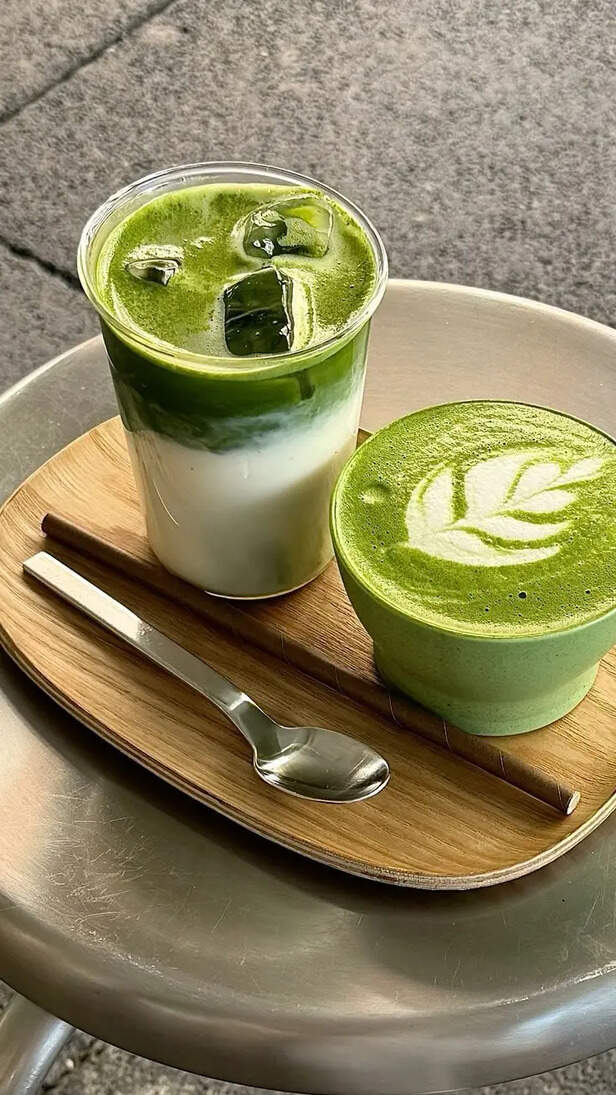
Image credit : Pinterest | From being a traditional Japanese green tea, matcha has become a Gen Z’s favorite beverage.
From the dynastic rule of China to the streets of New York, matcha has come a long way. Matcha traces its origins back to the Tang dynasty in China before being introduced to Japan by Eisai, a Japanese Buddhist monk who studied Buddhism in China. Over time, it evolved in Japan and became an important part of the traditional Japanese tea ceremony.
Today, young consumers are drawn to matcha not only for its aesthetic appeal but also for its calming properties and antioxidant-rich benefits.
Bubble Tea – Tea with fruit and tapioca pearls
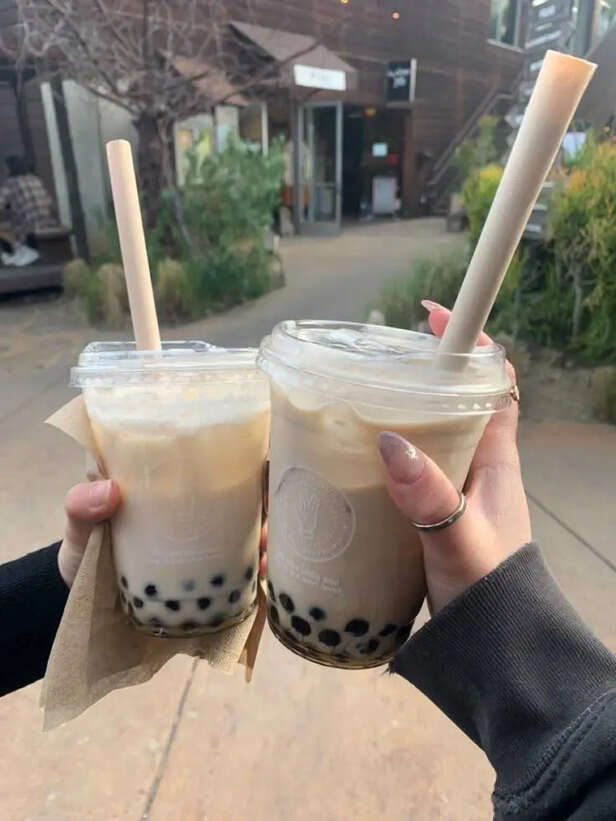
Image credit : Pinterest | From Taiwan’s local streets to cafés worldwide, bubble tea is now a global trend.
Bubble tea, popularly known as boba tea, has become much more than just a normal tea from Taiwan; it is now a global trend that almost everyone wants to try at least once. From tapioca pearls to fruit-flavoured popping pearls, the drink has evolved into a fun and aesthetic experience for young consumers.
Bubble tea dates back to the 1980s in Taiwan, when tea shops began serving tea mixed with tapioca pearls. Over the time, the drink gained massive popularity across the country and eventually became one of Taiwan’s most iconic beverages.
Hojicha Tea – Green Tea roasted over charcoal

Image credit : Pinterest | From the streets of Kyoto, hojicha is slowly making its way onto café menus across the US.
If you are a frequent café hopper and love scrolling through Instagram and YouTube, then you have probably come across a green tea that is not green at all. This is none other than Hojicha tea from Kyoto, Japan. With its cool-toned brown colour and roasted flavour, the beverage has become a growing trend in cafés across the US market.
Hojicha traces its origins back to the 1920s, when it was created as a way to repurpose the twigs, stems and leaves left behind after the mechanical harvesting of tea plants, but now it is taking over our cafe menus.
Kulhad Tea – Smell of petrichor with the taste of cardamom
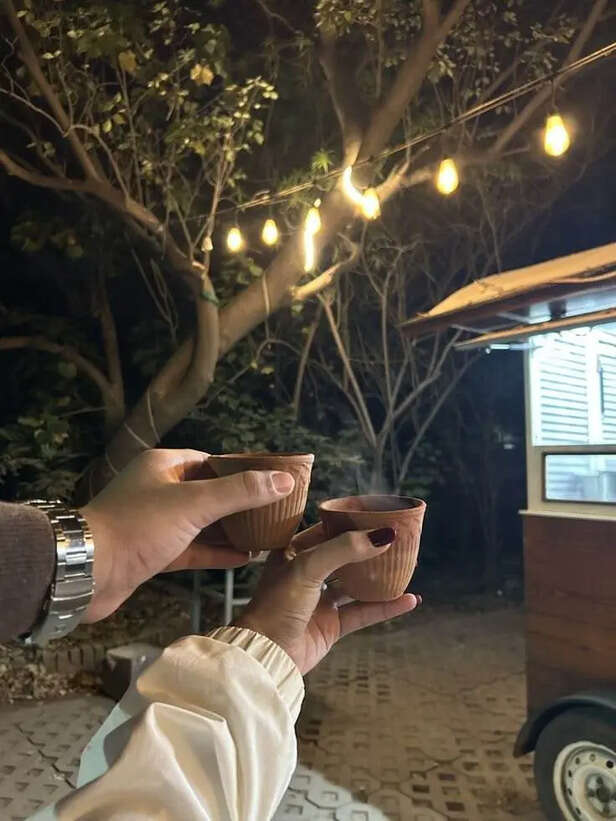
Image credit : Pinterest | The craze for kulhad wali chai is growing among the younger generation.
An iconic chai once associated with railway platforms and roadside stalls, Kulhad Chai is now gaining popularity and taking over café menus across India and beyond. The rustic brown aesthetic of the clay cup has become a social media favourite among Gen Z consumers.
Gen Z is drawn towards things that feel authentic and visually appealing, and Kulhad Chai perfectly fits that aesthetic. At the same time, it quietly reminds people of a bygone era. Sipping tea from a Kulhad brings a sense of warmth, nostalgia and slow living.
Herbal Tea – Tea for good sleep
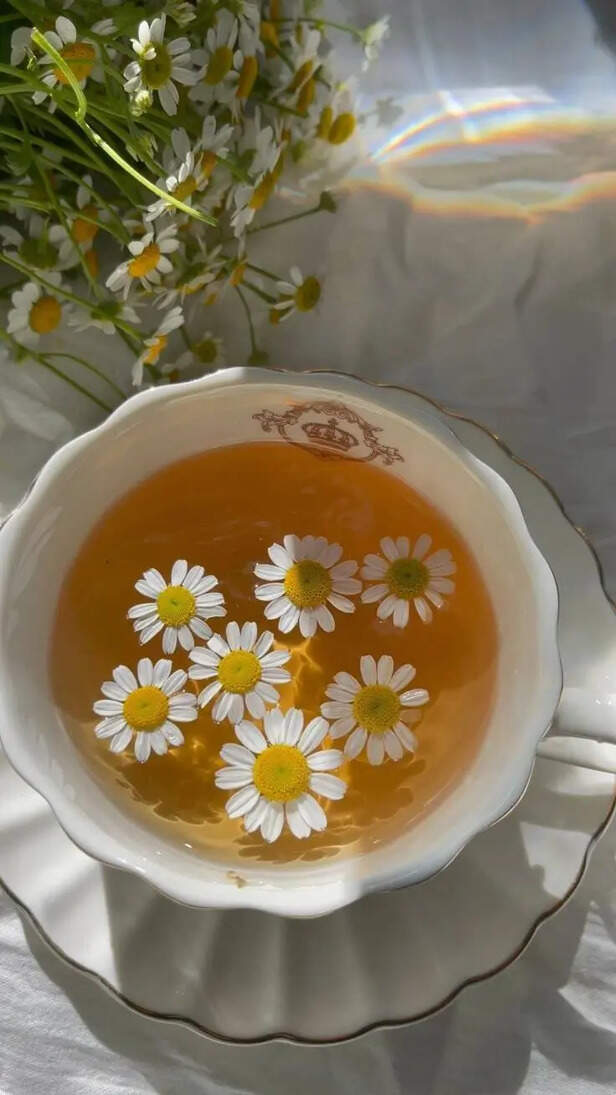
Image credit : Pinterest | Drinking herbal teas is also gaining popularity online because of their health and wellness benefits.
Herbal tea is becoming increasingly popular in today’s tea culture because of its wellness and health benefits. From chamomile tea to hibiscus tea, these beverages are often associated with better sleep routines, mental well-being and self-care practices.

Image credit : Pinterest | Chamomile tea is loved for getting good sleep, looking fresh and calming effects.
Herbal teas have also become a part of the “wellness aesthetic” frequently promoted by social media influencers such as Nicole Wilson (@teaformeplease) and Jee Choe (@ohhowcivilized). Their calming presentation and mindful appeal resonate strongly with Gen Z consumers seeking comfort and balance in their daily routines.
Tea culture is no longer just a part of our daily routine. It has now transformed into a lifestyle experience that blends luxury, aesthetics and wellness. From matcha and bubble tea to traditional kulhad chai, tea culture may have evolved with time, but the warmth and comfort it offers remain unchanged. Life is tough, but everything gets fine with a cup of chai over a good conversation.
