
Traders called the Israel-Iran war right and bet oil would fall
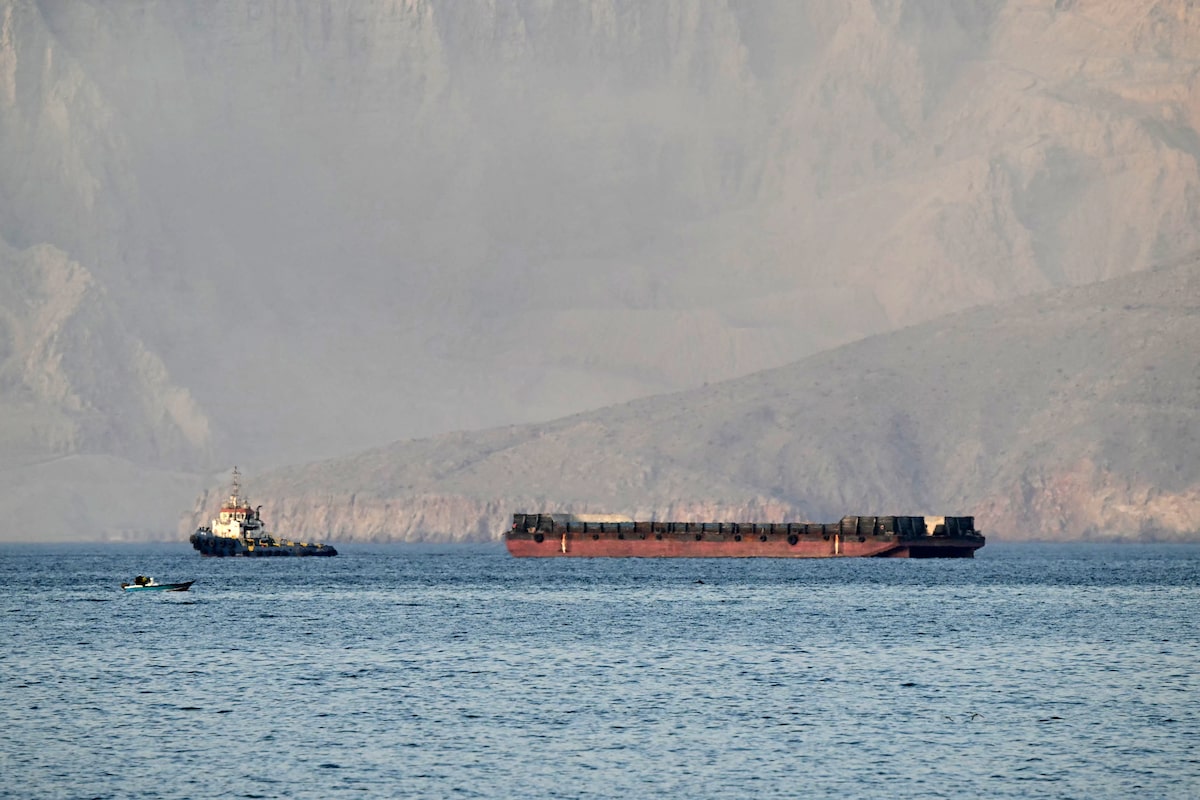
A tug boat tows a barge off the coast of Khasab, Oman, overlooking the Strait of Hormuz on Monday.GIUSEPPE CACACE/AFP/Getty Images
The world is full of geopolitical and geoeconomic analysts – add “geo” to your title and you can bill yourself as some sort of expert. The world is full of commodities traders, too, though you don’t hear from them much. But it was they, not the “geo” men and women, who called the Iran-Iraq war right.
About 10 days ago, there were legitimate fears that a top-to-bottom regional war was unravelling in the Middle East, perhaps even World War III. Israel had attacked Iran on June 13 and assassinated many of its top military commanders and nuclear scientists. Iran retaliated. The attacks and counterattacks intensified, and the body counts in both countries rose.
There was ample speculation that the U.S. military would back Israel, and that Iranian proxy militias, among them Hezbollah, would join the fray. Iran, an OPEC country short on conventional weapons, would surely use oil as a weapon and maybe close the Strait of Hormuz, through which 20 per cent of the world’s seaborne oil passes. No wonder Brent crude CB-FT, the international benchmark, went from less than US$70 a barrel to almost US$80 as the attacks intensified.
The doomsayers seemed to have called it right when, last Sunday, U.S. Air Force B-2 stealth bombers hit Iran’s uranium-enrichment sites with bunker-busters of devastating punch. The next day, Iran fired missiles at the U.S. air base in Qatar, in the Persian Gulf. Surely, oil would go to US$100 and keep rising, especially if Iran turned Hormuz into a shooting gallery for tankers. The endless videos of destruction, of missiles streaking across the sky, of leaders in Iran and Israel taunting each other, flooded the fear zone.
Explainer: Oil prices slide as Iran retaliation spares energy assets. Here’s what you need to know
But the opposite happened. Oil sank within minutes of the attack on Qatar, then plummeted. By the end of Monday, Brent was down more than 7 per cent, the biggest daily drop in almost three years. The sell-off continued the next day, taking the price south of US$68, as a Donald Trump-inspired ceasefire stumbled forward. Traders must have made fortunes betting on oil’s fall when the prevailing mood was that the price would climb and deliver the short sellers into a house of pain.
How did the traders figure out that all-out regional war, or worse, was not imminent?
It appears they simply did their homework, speedily so, rather than simply exercising their gambling instincts. They tracked social media, examined open-source intelligence, known as OSINT, and examined aerial and satellite maps. Putting it all together, they made an educated guess and threw in a dash of Mr. Trump’s narcissism. Would the President who openly covets the Nobel Peace Prize expand the U.S. attacks beyond Iran’s nuclear sites and carpet-bomb entire cities? Would he keep doing what Israel wanted him to do?
Indeed, the bunker-buster bombing raids, while devastating (though perhaps less devastating than the White House claimed), were not followed by more American attacks. The next day, the Iranian attack on the American Al Udeid Air Base in Qatar gave all the appearance of being stage-managed. The U.S. planes were gone by then, as if the base’s commanders had been forewarned; Iran fired only a few missiles, and they were intercepted by Qatari air defences. In other words, the attack was symbolic, suggesting that Iran did not want to expand the war either. So oil fell hard and fast.
Opinion: Does being an ‘energy superpower’ really mean more oil and gas?
The traders also seemed to know that the Iranians would not use sea mines, missiles or their own navy frigates to shut Hormuz. Doing so would have been an act of economic self-sabotage for the Iranians, who ship more than a million barrels of oil a day to China. It would have sent the other Gulf states, including Kuwait and the United Arab Emirates, whose tankers pass through Hormuz, into a rage. Worst of all, it would have made Mr. Trump apoplectic. Cheap oil is what he demands, and an Iranian oil blockade would have guaranteed the reverse, no doubt placing Iran back on the U.S. hit list.
The glut of oil on the market gave the traders more confidence that the price would not match the missiles’ upward trajectory. OPEC has been pumping more in recent months in an apparent bid to regain some market share.
Oil traders don’t always get it right. In 2007 and 2008, oil surged as Chinese demand soared, creating shortages. At the same time, Israel threatened to attack Iran unless it abandoned any attempts to create weapons-grade uranium.
By mid-2008, the price reached a record of almost US$150 and Goldman Sachs predicted it would go to US$200. Then came the financial crisis and subsequent Great Recession, an economic mauling that was partly triggered by crippling oil prices. As banks failed and economies everywhere fell apart, oil lost two-thirds of its value. A lot of traders, though not all, were caught off guard and paid the price.
The traders did not make the same mistake this year. Wars, especially those in oil-producing regions, typically send oil prices up. This time, they bet correctly that there was less to the war than met the eye.

