
From superstitions to outrageous locations: 8 hotels secrets you didn’t know

Check-in, Check-out, and everything in between, including superstitions, outrageous locations, content perfect for social media “might go viral” posts…hotels are far from what they seem — a place to check in, rest, and move on. And we are here for all of it. Did you know that most of the world still feels uncomfortable about the number 13? Also, to reach some hotels, one has to literally climb mountains. Some are hidden away from the world, and a few carry histories so old and astonishing that they blur the line between the past and the present.These hotel facts reveal just how strange, and fascinating, the world of hospitality can be. Here are five incredible hotel facts you probably never knew…and won’t forget.

Hotel elevator buttons panel without the 13th floor
Most hotels don’t have room 13 or a 13th Floor
The number 13 is considered unlucky in many cultures, and believe it or not, many people believe in this long-standing superstition. Interestingly, this superstition has shaped modern hotel architecture worldwide. Many hotels skip the 13th floor entirely, jumping straight from 12 to 14 on the elevator panel. Others avoid assigning Room 13 because some guests simply refuse to stay in it. Whether the hotel believes in this superstition or not, they do this to avoid discomfort, complaints, and even cancellations from travellers who take the superstition seriously. If a hotel has more than 13 floors, the 13th one is assigned as anything but a guest floor.
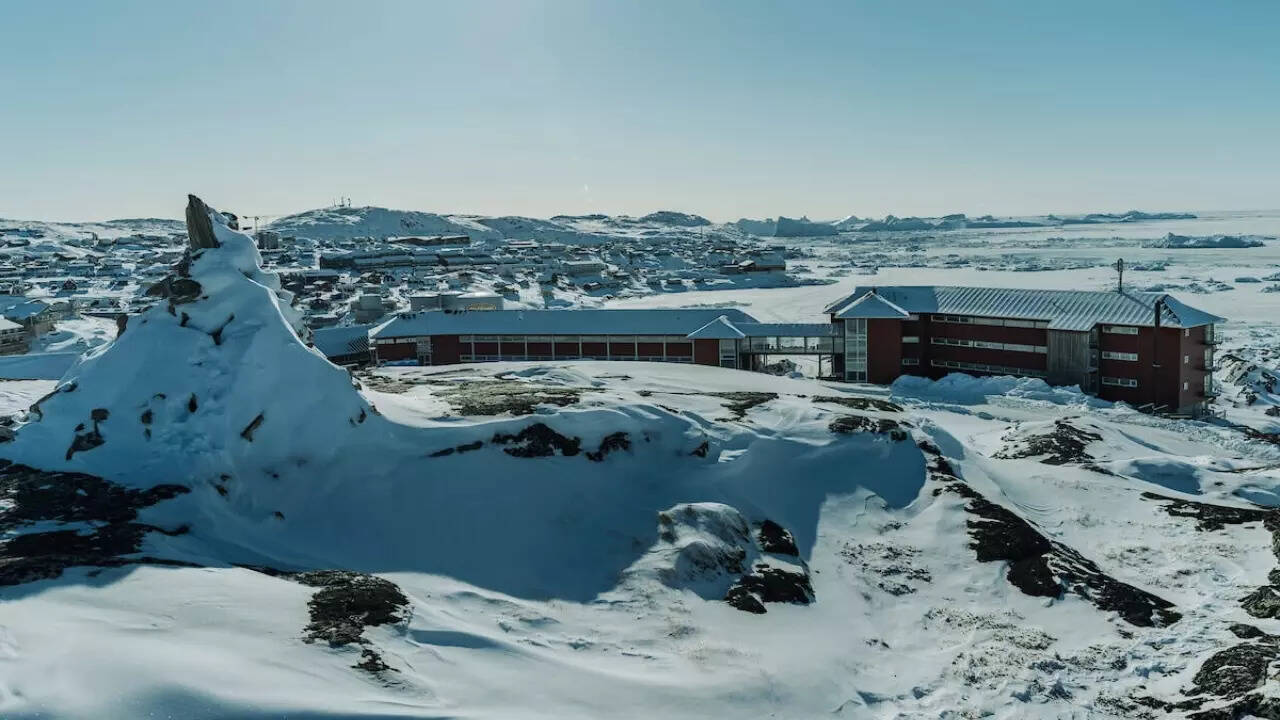
Hotel Arctic in Greenland
World’s most remote hotel
Often cited as the world’s northernmost four-star hotel, Hotel Arctic in Greenland sits on the edge of the Arctic wilderness, far from regular civilisation. Reaching it usually involves multiple flights, small aircraft, and sometimes even helicopters. Here, guests sleep in absolute silence, surrounded by icebergs, the Greenland Sea, and vast stretches of untouched tundra. It’s so remote that food supplies, daily essentials, and staff rotations are all dependent on weather and limited transportation schedules.
Antarctica has a hotel
Most travellers don’t realise that you can actually stay in a hotel in Antarctica. Properties like White Desert’s Whichaway Camp offer heated bedrooms, gourmet dining, and private guides, in the middle of the coldest, driest continent on Earth. Getting there requires a private charter from South Africa to an Antarctic ice runway. Everything, from food to bedding to fuel, must be flown in. Despite the extreme conditions, the experience is surprisingly comfortable.
Some hotels can be reached only by trekking
Not all hotels are accessible by road, in fact, some require genuine adventure just to reach them. Nepal’s remote teahouses, or lodges tucked deep inside the Himalayas can only be reached by hiking narrow trails, climbing mountain paths, or trekking along cliffside routes. This challenge, most adventurers say, is part of their charm. The journey becomes an experience in itself, and the reward is a stay surrounded by dramatic landscapes that no road could ever reach.
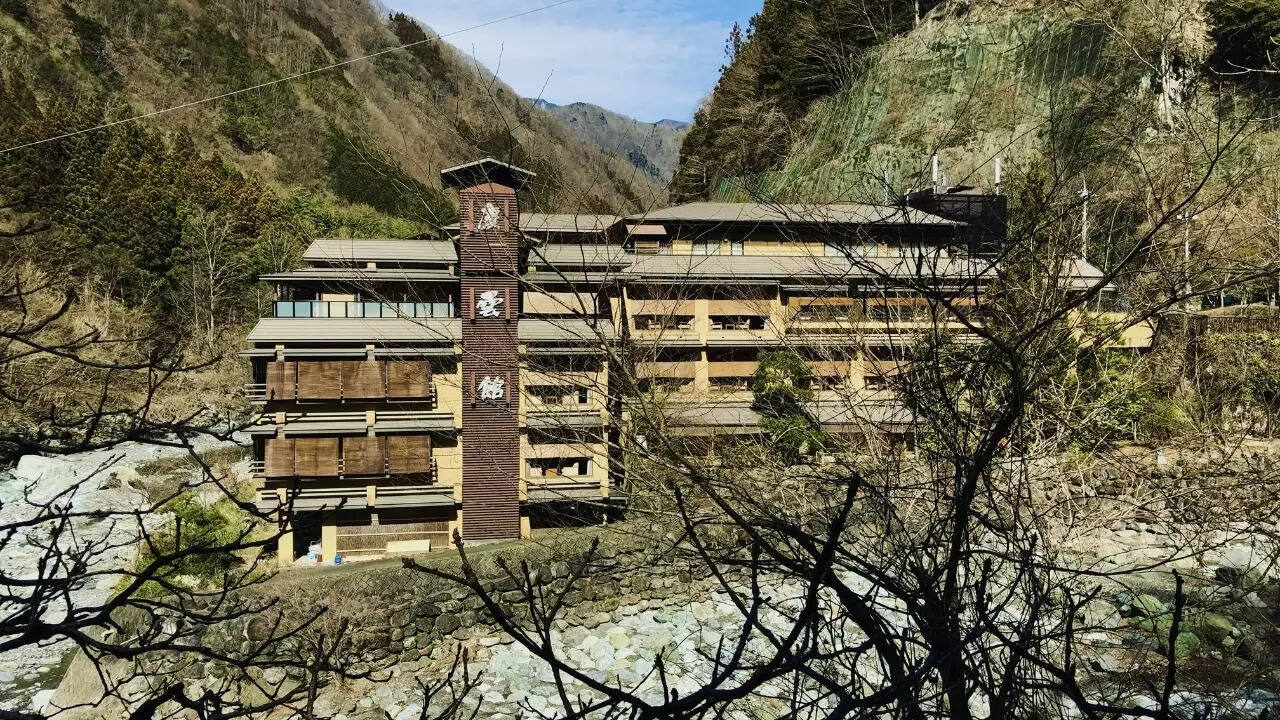
Nishiyama Onsen Keiunkan in Japan/WikiMedia CC 4.0/Boltor
World’s oldest operating hotel dates back to 705 A.D.
Japan’s Nishiyama Onsen Keiunkan, founded in 705 A.D., has been welcoming guests for more than 1,300 years. It is recognised as the world’s oldest continuously running hotel, and has been managed by the same family for an astonishing 52 generations. The hotel is located at the foot of the Akaishi Mountains, and draws its hot spring water from the same source it has used since the 8th century. Despite its age, the hotel blends tradition with modern comforts, offering guests a timeless experience rooted in Japanese hospitality.
