
Anime’s desi soul is in small-town India. Nagpur is its capital
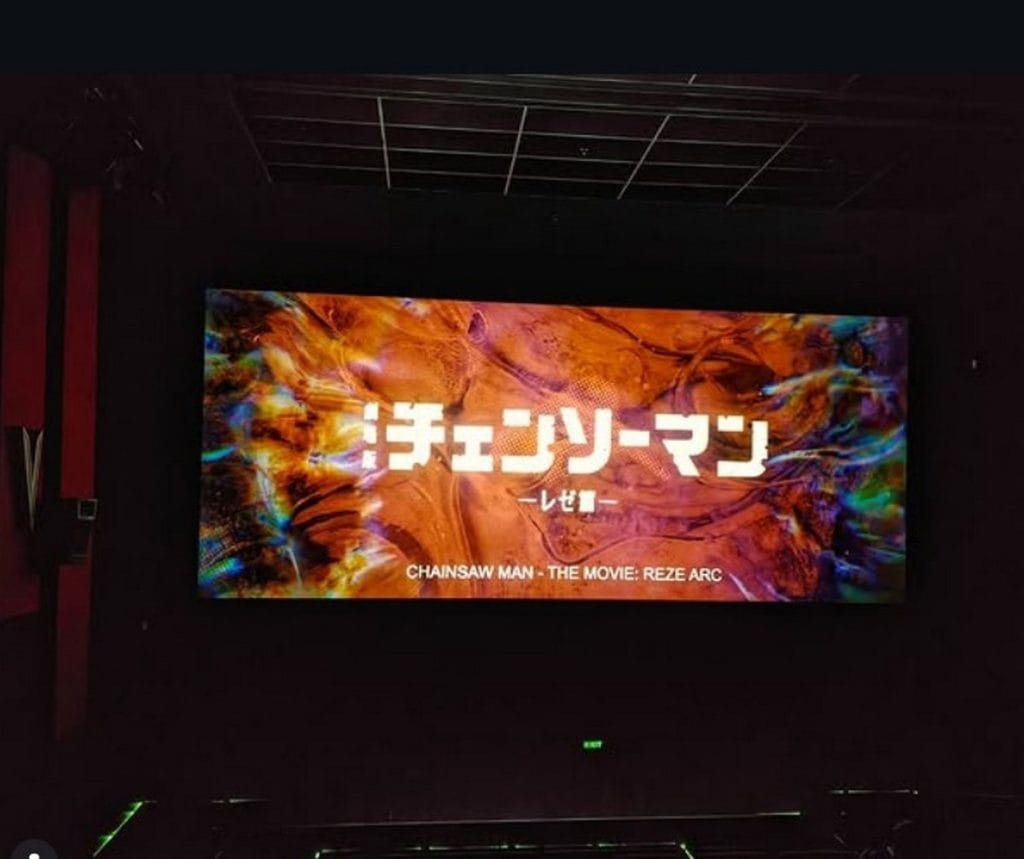
With the world’s biggest anime streaming platform Crunchyroll making its debut in 2023, a flood of Korean and Japanese content on mainstream OTT channels, and better dubbing, more and more people started declaring themselves fans of the genre. Comic Con, which came to India in 2015, now has events and cosplays dedicated entirely to anime. But the most dramatic changes have unfolded in smaller cities. In September alone, three anime films Shin Chan: The Spicy Kasukabe Dancers, Demon Slayer: Infinity Castle, and The Chainsaw Man hit cinema halls all over the country, in a first. Demon Slayer was released in 600 cities, many screening an anime film for the very first time. It made its way from Bikaner in the north to Madurai in the south.
What helped anime become so popular in India is also the fact that superheroes were on a downward spiral. Marvel movies had peaked. But it won’t happen with anime because it has a wide bouquet of choices from sci-romance, thrillers— you name it and anime has it.
-Jatin Varma, founder of Comic Con India
Nagpur was ahead of the curve a decade ago, undaunted by naysayers.
“When I had asked Sonal [Varma], who was part of Comic Con India’s management, to have one in Nagpur back in 2015, she said it would take at least ten years to happen. So we decided to host our own version,” said Samarth Thakral, one of the founding members of the Nagpur Anime Club. A businessman now in his early 30s, Thakral started the club when he was 19 with five friends from his Japanese language class.
From matcha cafes to ramen restaurants to children sporting Naruto backpacks and kawaii stationery, Japanese culture made its way into Indian lives through anime.
“Anime is the doorway to being curious about Japan and its culture, with language being the next step and eventually academia. Not everyone might become experts, but we would like people to be bridges between the two nations,” said Kurumi Otake, director of arts and culture at the Japan Foundation in Delhi.
Fans are even adding a desi tadka to anime characters through art and AI reels, whether it’s imagining Tiger Shroff as Dragon Ball’s Goku or creating new Indian characters.
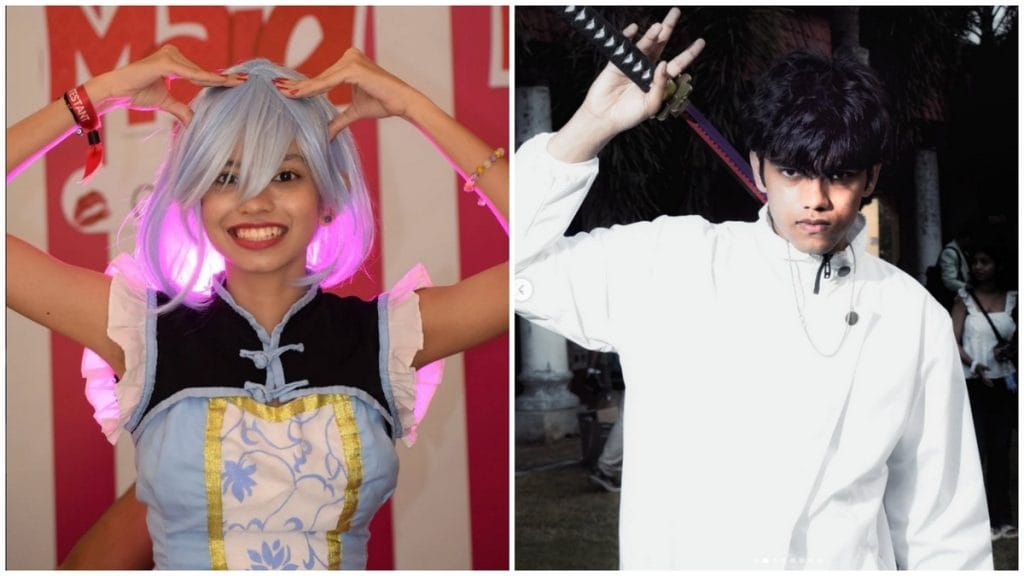
Until a few years ago, most viewers relied on pirated Japanese streams, but once anime started appearing on TV channels and OTT platforms, people wanted it in regional languages.
“The pre-Covid audience watched anime on illegal websites in Japanese; now they want to watch in their own language, which is why dubbing has gotten much better now,” said Priyadarshan Dwivedy, who runs the anime-focused YouTube channel DBS Chronicles.
As more people flocked to events, clubs got more ambitious. Nagpur Anime Club brought in sponsors such as PVR, Cartoon Network, and Japan’s Viz Media, showing other clubs what was possible. The Japan Foundation backed the Barak Valley Anime event this year, the Bhubaneswar club had Modixbox, and Ahmedabad got Faber Castell as its sponsor. Nagpur became the blueprint for how ‘weebs’ — the term for non-Japanese fans of anime and manga — could create an anime kingdom in their own backyards.
“Our cash prizes for cosplay were more than Comic Con’s in 2023,” said Thakral.
Also Read: Gurinder Chadha’s latest film is an immigrant take on Christmas. Kunal Nayyar is Mr Scrooge
The anime king of Nagpur
Samarth Thakral’s office has a shelf partitioned neatly into anime figurines, a picture of his grandfather who started the family business of puja goods, and brass idols of gods. Another shelf has his manga volumes. He answers business calls with a brisk “ram-ram” before switching back to talk animatedly about the Nagpur anime club.
While the other founders of the club eventually moved out of the city for jobs and marriages, the bespectacled, introverted Thakral stayed back in Nagpur to helm the business and steer the city’s anime wave.
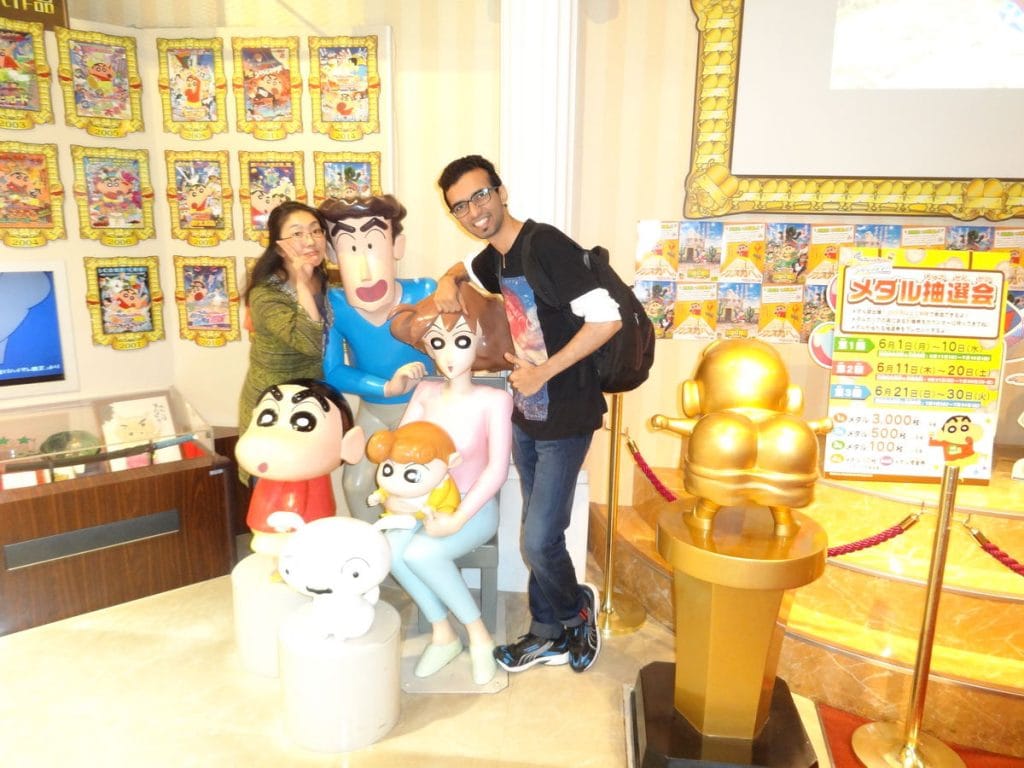
His love story with anime started when he was 10 years old and got hooked to the series Cardcaptor Sakura, about an elementary school student who accidentally discovers magic, as well as a vintage Japanese adaptation of Heidi. When Dragon Ball Z, Pokemon, and Detective Conan were shown on Hungama TV, his interest only grew.
“It was different from the other cartoons, because anime was episodic, with each episode linked together as part of a larger narrative. That appealed to me,” said Thakral.
By the time he was 17, his obsession had outgrown the content available in India. When Season 6 of Detective Conan was available only in Japanese without subtitles, he signed up for a six-month Rs 18,000 language course at Nozomi Infotech.
“My parents could not understand my request to learn the language. They thought I would grow out of it. Little did they know,” he said with a smile, clicking through a presentation he had put together on the anime club’s momentous journey.
I was dressed in a suit and had to clean the venue before guests arrived [for the first Nagpur anime con] because the cleaners’ shift had not started. It was a hall attached to a small garden. We anticipated around 200 people, but at 9 am sharp, there were 250 people, which later grew to 700
-Samarth Thakral, the force behind the Nagpur Anime Club
“As teenagers, we would exchange anime downloaded on 3TB worth of hard drives with each other. Delhi and Mumbai had anime clubs, and we started our own, on Facebook,” he said. What began online gradually moved offline into karaoke and gaming events in cafés, and then screenings and presentations.
Their first anime screening was in 2013 — an episode of Attack on Titan at a gaming lounge where 80 people showed up, a mix of students and working professionals. Thakral started attending events in Mumbai, Pune, and Delhi to learn more and meet kindred spirits.
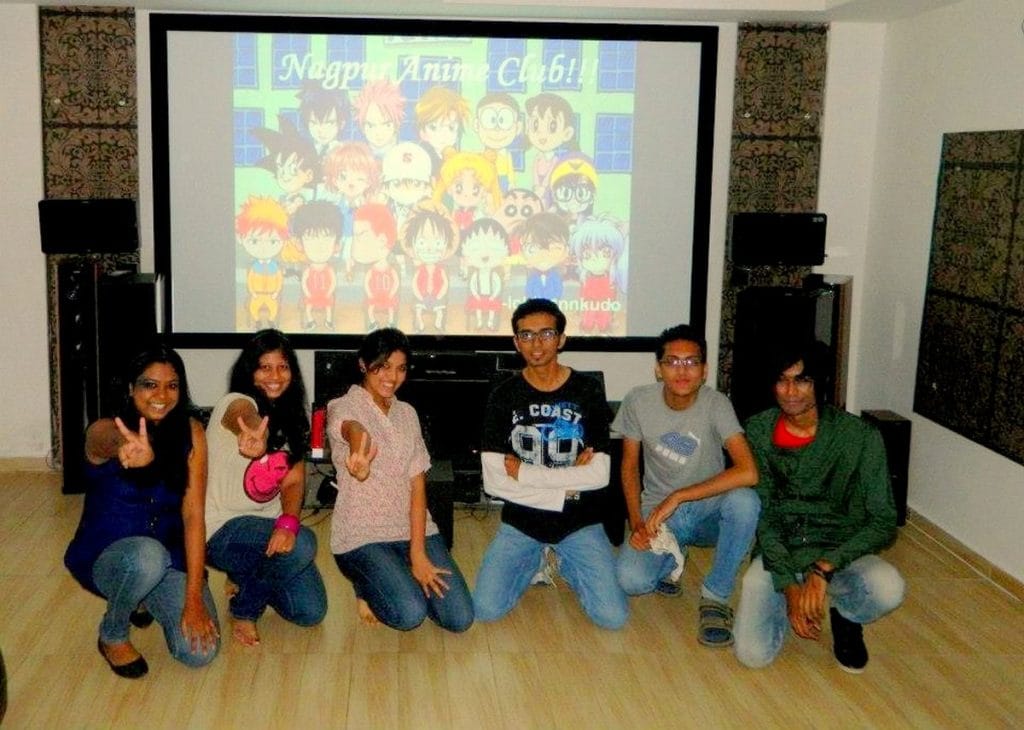
But Thakral’s real crusade was at home. He doggedly pursued the dream of bringing an equivalent of Comic Con to Nagpur. Soon, the club didn’t just rival but overtook anime clubs from Mumbai and Delhi. In 14 years since its inception, it has organised more than 75 events, with several attended by anime giants. Tetsuro Araki, the animator and director of Death Note and three seasons of Attack on Titan, has participated, and so has Megumu Ishiguro, one of the key animators of Ramayana: The Legend of Prince Rama (1993).
The first coscon event was a sign of things to come.
“I was dressed in a suit and had to clean the venue before guests arrived because the cleaners’ shift had not started. It was a hall attached to a small garden. We anticipated around 200 people, but at 9 am sharp, there were 250 people, which later grew to 700,” he said, smiling.
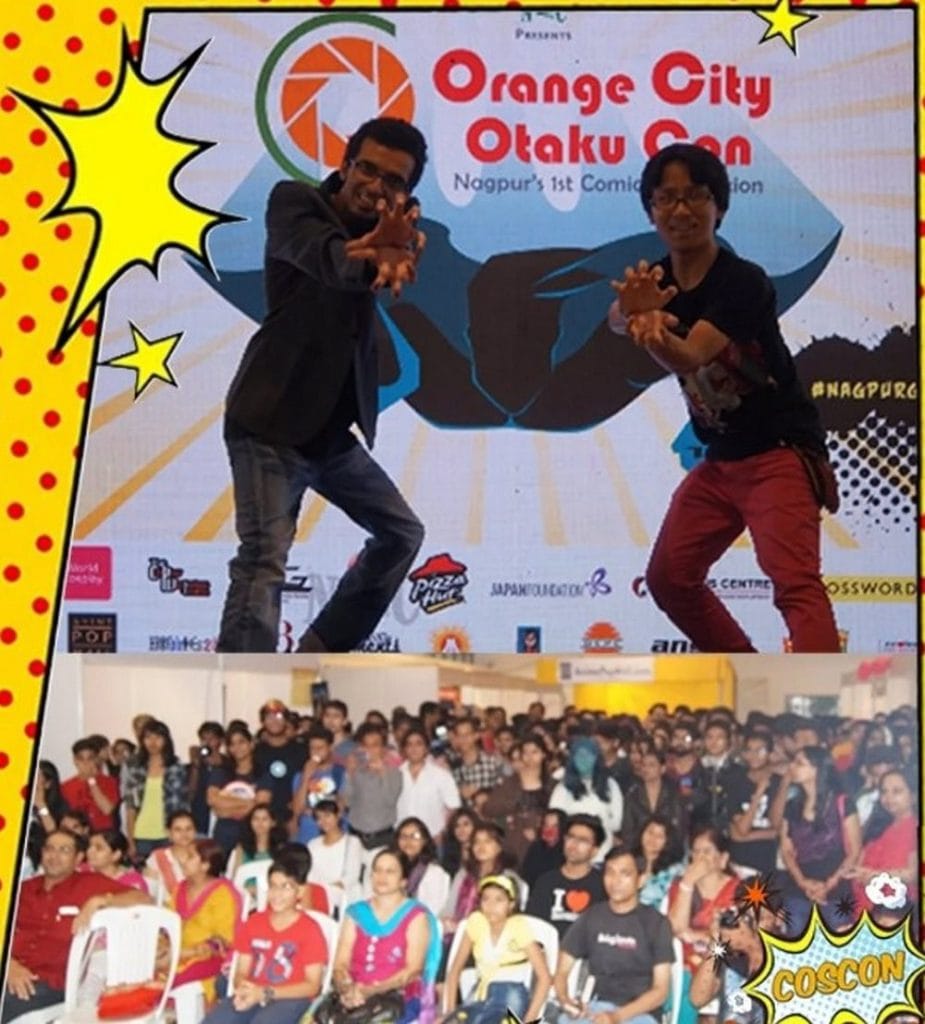
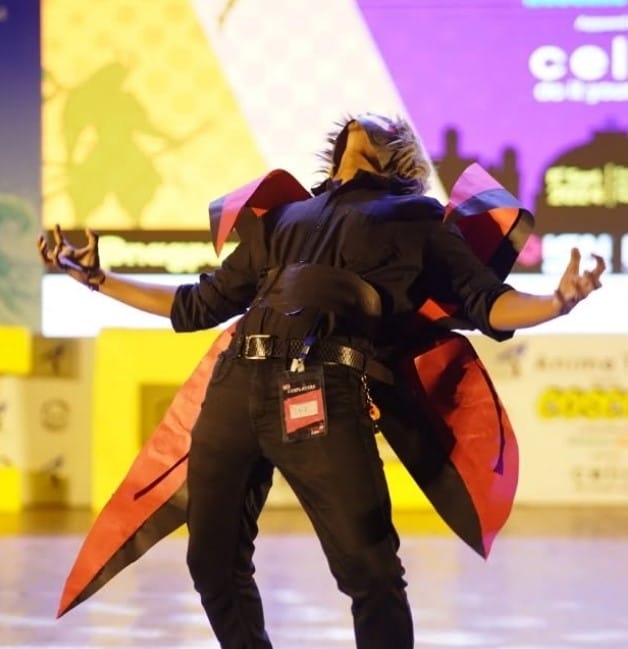
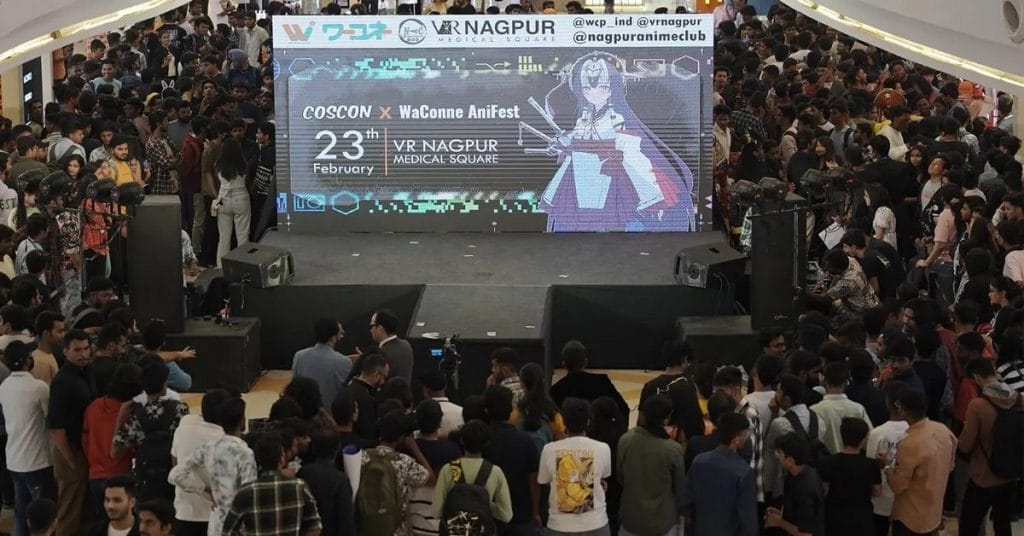
The first coscon had a budget of Rs 1.5 lakh but it’s now crossed Rs 15 lakh, with more than 9,000 people turning up at the last event. In 2023, the club organised what it calls the world’s biggest Kamehameha event, akin to a Mexican wave. The cosplay cash prize, which started at Rs 3,000, has grown to Rs 1 lakh.
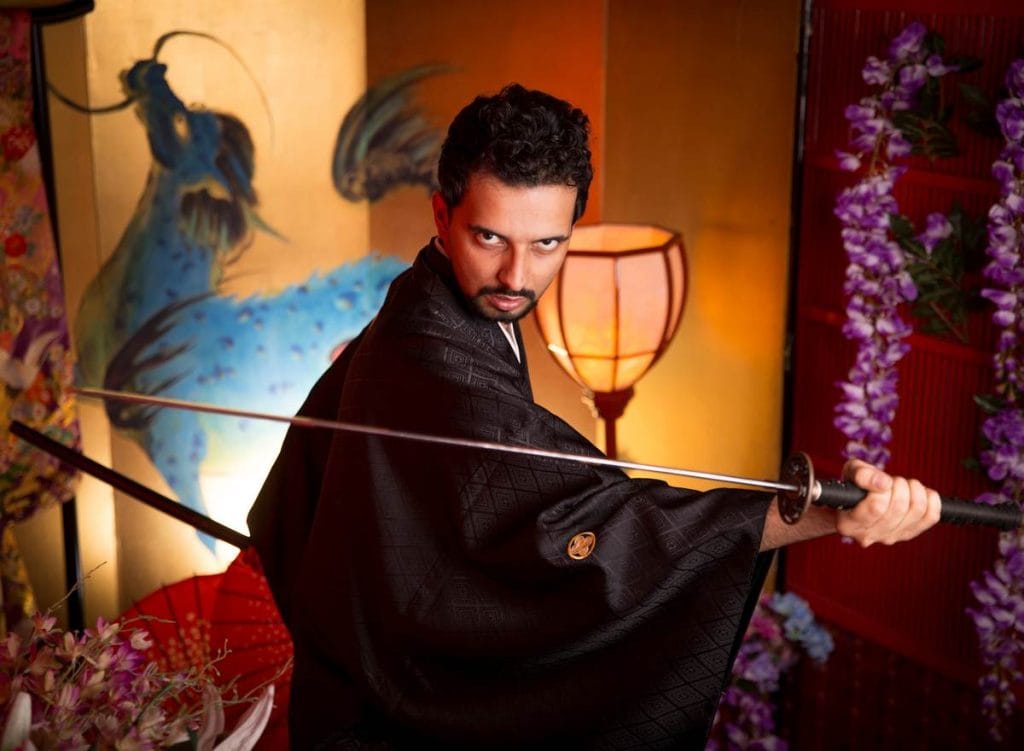
His push for sponsors from abroad, such as PCH, earned winners of the 2023 coscon an all-expenses-paid trip to Japan as well. He also showed off pictures of himself dressed as a samurai in Japan.
“What helped in getting the sponsorships is knowing the language, and being able to talk to the stakeholders in their own language. They keep coming to India, but they are still testing the waters about what to sponsor,” said Thakral.
Comic Con is finally coming to Nagpur next year. For the OG anime club and its co-founder, though, it is business as usual. Thakral is working on a new proposal for a cosplay parade at Nagpur’s biggest outdoor garden, Telankhadi, on 11 January, and wooing the next set of brands for his anime movement.
Anime is now part of both his family life and his friendships.
“The people I met at the Comic Con Thyagraj Stadium in 2015 and became friends with, attended my wedding. I am not in touch with my college friends, but the community I formed through anime is strong,” said Thakral, who often shows his four-year-old daughter his childhood favourites like Heidi.
India’s anime origin story
For any genre to become popular in India, PVR is a must-stop. It signals arrival. It was the same for anime. In 2018, dedicated fans from across the country, including Thakral, started a petition for the release of Dragon Ball Super: Broly in India.
“All the passionate Indian Dragon Ball fans desperately want to see the movie in theaters of India,” read the Change.org petition addressed to TOEI, Funimation, Fox, and PVR Cinemas. The power of their fandom worked, and the film gave a new fillip to the genre.
Now even old anime content is getting a new lease of life. Ramayana: The Legend of Prince Rama, the 1993 Indo-Japanese co-production directed by Yugo Sako, was re-released on 24 January in a 4K restoration. Fans watched it not just for the mythology but for the anime edge.
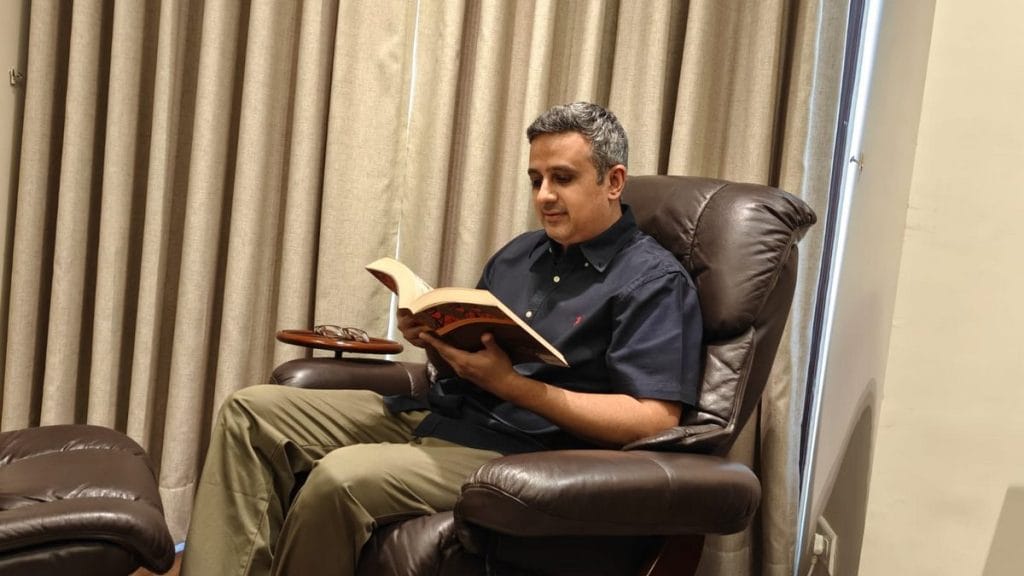
“The thing about anime is, you can never box the fans. It’s not about age or demographic. Since its content is so compelling, it can have fans across every cross-section,” said Jatin Varma, who brought Comic Con to India in 2015.
A decade later, he has seen it become the playground for anime cosplaying, meet-and-greets, and a platform where voice-over artists connect with their audiences.
Localisation is one of our top priorities as it’s what fans value most. More than 65 per cent of total anime viewership on Crunchyroll in India now comes from Hindi, Tamil, and Telugu dubs, indicating how fans connect deeply when content is available in their language
-Raúl González Bernal, VP of regional marketing at Crunchyroll
Small towns are the new frontier. This year, Comic Con hosted its first-ever event at Guwahati on 23 November and will be going to Jaipur in January 2026.
“Localisation is one of our top priorities as it’s what fans value most. More than 65 per cent of total anime viewership on Crunchyroll in India now comes from Hindi, Tamil, and Telugu dubs, indicating how fans connect deeply when content is available in their language,” said Raúl González Bernal, vice president of regional marketing at Crunchyroll.
Anime-cons and screenings are now being organised in places like Bhubaneswar and Silchar.
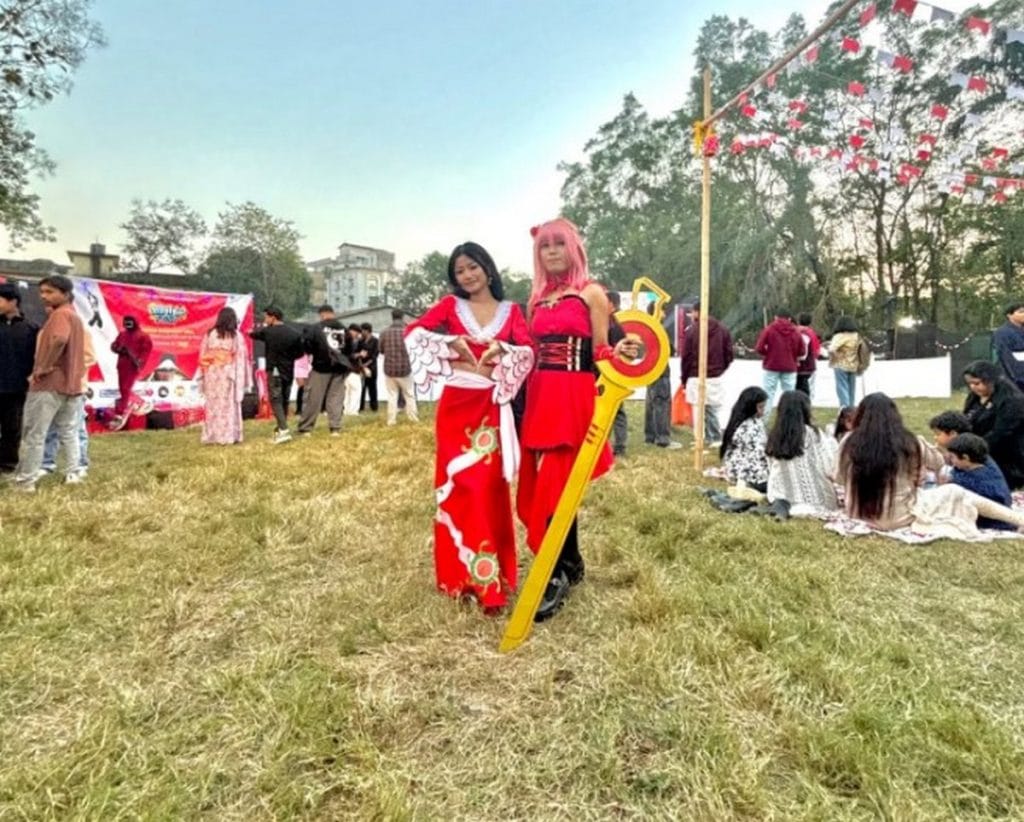
The first Bhubaneswar event in May 2023 had a budget of Rs 10,000 and hosted 100-120 attendees. Now the budget has reached Rs 12 lakh.
“By the time the third anime event was held in August this year, seats and tickets were sold out, and the single-day event became a two-day affair and 2,700 people attended,” said Dwivedy.
Even the fan profile in metros is changing. In old Delhi’s Daryaganj, the 70-year-old Delite cinema, a go-to for affordable ‘massy’ films, screened the Hindi-dubbed Demon Slayer for four shows over two weeks in September. The film even reached Bikaner, where a local voice-over artist is now an award-winning performer in Mumbai.
A new Hindi identity
Lohit Sharma grew up in Bikaner with dreams of becoming a singer, but the detour he took ended up making him the Hindi voice of one of India’s biggest anime icons.
His deep, languid, almost toe-curling tone does full justice to Satoru Gojo, the silver-haired sorcerer from Jujutsu Kaisen, named the world’s most popular animated series by Guinness World Records. For Indian audiences, Gojo is in the same league as Naruto and Dragon Ball’s Goku.
Sharma stumbled into this career-defining role almost by accident. When his singing career did not pan out, he started experimenting with voiceovers on his YouTube channel. From Mission Impossible to Dragon Ball and Spiderman, he would wait for new trailers of Hollywood movies to drop, and quickly dub them in Hindi and share online. It became a ‘lookbook’ of sorts and slowly built up a loyal fanbase. His channel, Dubster Lohit Sharma, currently has 1.5 lakh followers.
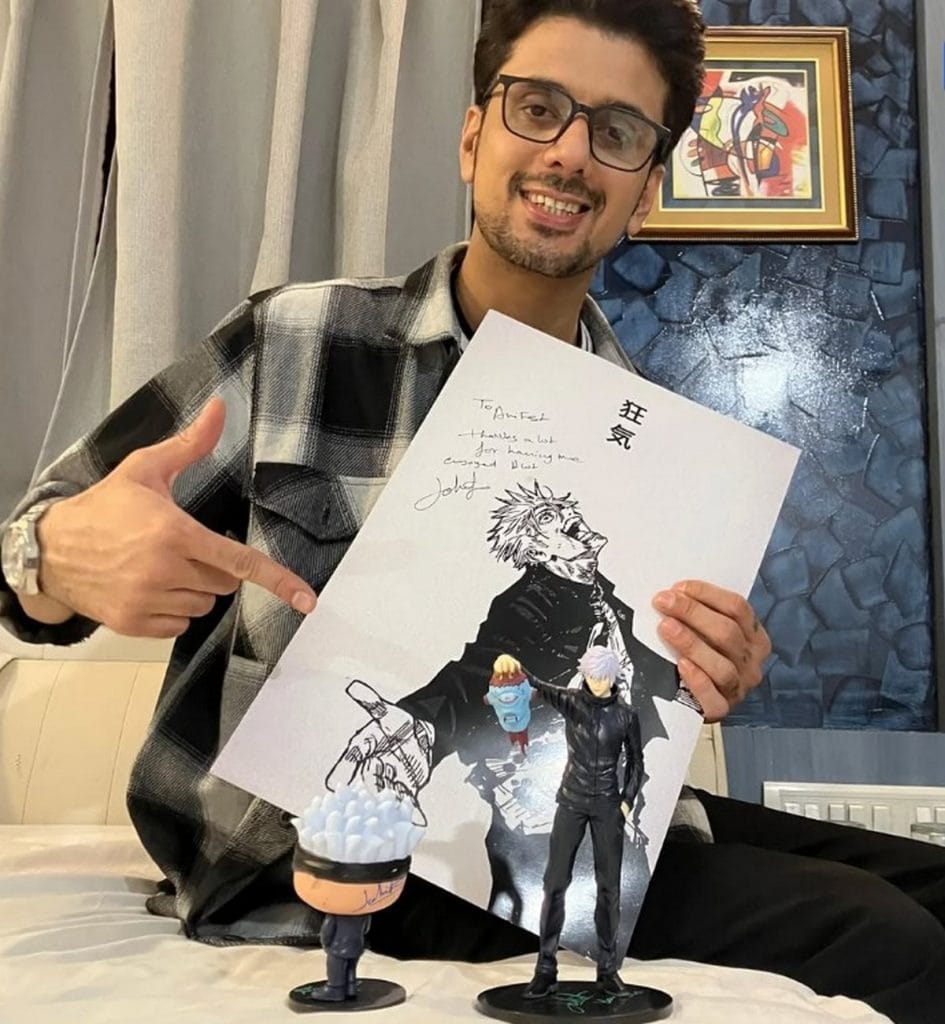
At the same time, Sharma sent out his work out to entertainment companies and started getting calls for auditions. His first anime was Pokemon in 2020, followed by Crunchyroll’s Darling in the Franxx (2022). And then came Gojo.
“Since Gojo has a calm, unbothered aura, it was that mindset that actually helped me land the role. In three minutes, you cannot create an entire character from a few lines, so you focus on the cues you’re given and do well,” said Sharma, who has also voiced Denji in Chainsaw Man: Reze Arc and the recruiter played by Gong Yoo in Squid Game 2. That performance clinched it and made his voice more recognisable than ever.
In May 2025, he won Crunchyroll’s first-ever Hindi Voice Artist Performance award. Actor Rashmika Mandanna read out his name in Tokyo while he streamed the ceremony online at home.
People watch anime in Bikaner now, and someone messaged me saying they had no idea the voice of Gojo was mine
-Lohit Sharma, voiceover artist
The market for dubbing is now bubbling with opportunities, as the demand for foreign content in regional language grows. Over the last few years, new artists such as Tushar Deka from Mangaldoi and Amogh Ashdir from Ajmer have entered the scene, joining veterans like Sanket Mhatre, best known for the manga series One Piece, and Sonal Kaushal of Doraemon. The compensation can range from anywhere between Rs 20,000 to a few lakhs.
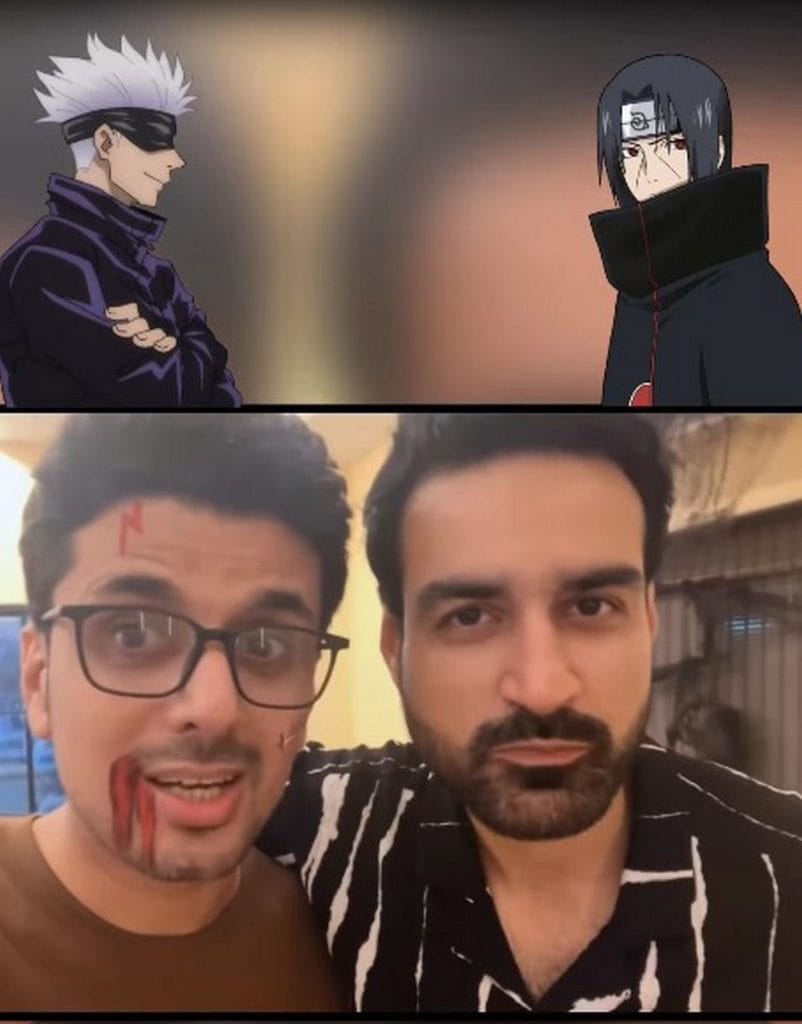
The growing fanbase has changed Sharma’s everyday life. At events, crowds queue up to see him perform a ‘live reversion’ of Gojo Satoru. On Instagram, requests pour in for him to dub other characters, and he often obliges. The flip side is invectives from protective fans during live shows and in DMs, who accuse voice artists of “ruining” or “miscasting” a character. But overall, the surge in anime viewership has opened up more work and a new kind of public recognition for artists.
“People watch anime in Bikaner now, and someone messaged me saying they had no idea the voice of Gojo was mine,” Sharma said.
Doorways to Japan
In all the buzz over K-culture’s dominance in India, Japan sometimes gets overshadowed. Yet its cultural influence has been growing for decades.
The Japan Foundation set up shop in Delhi in 1994, and has become the city’s hub for anyone curious about Japanese culture.
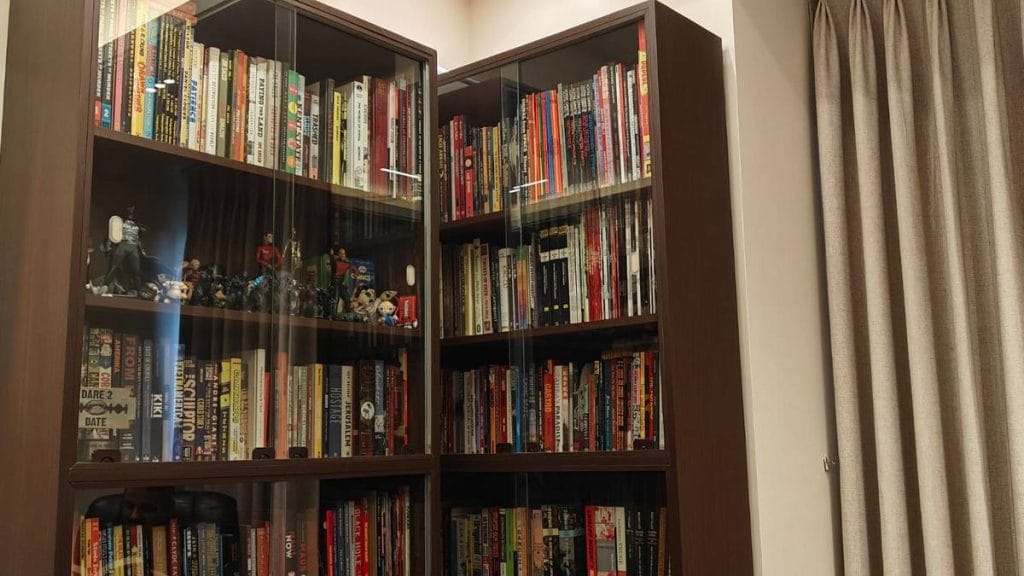
Its Green Park office is something of a manga treasure trove. More than 3,000 manga titles in English and Japanese line the shelves, and 500 new ones were added just two weeks ago to meet demand.
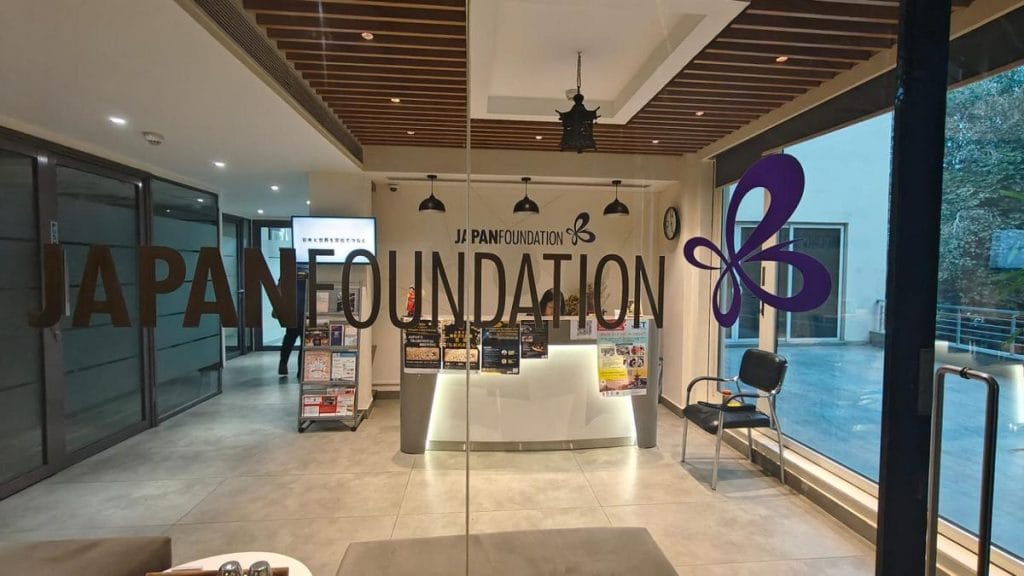
Since 2017, it has also been holding a Japanese film festival across the country, with anime often taking the spotlight in recent years.
The 2022 edition focused on Makoto Shinkai, whose films Your Name and Weathering with You fans had petitioned to bring to India back in 2019. The next year, it brought Shinkai’s latest film, Suzume, to theatres.
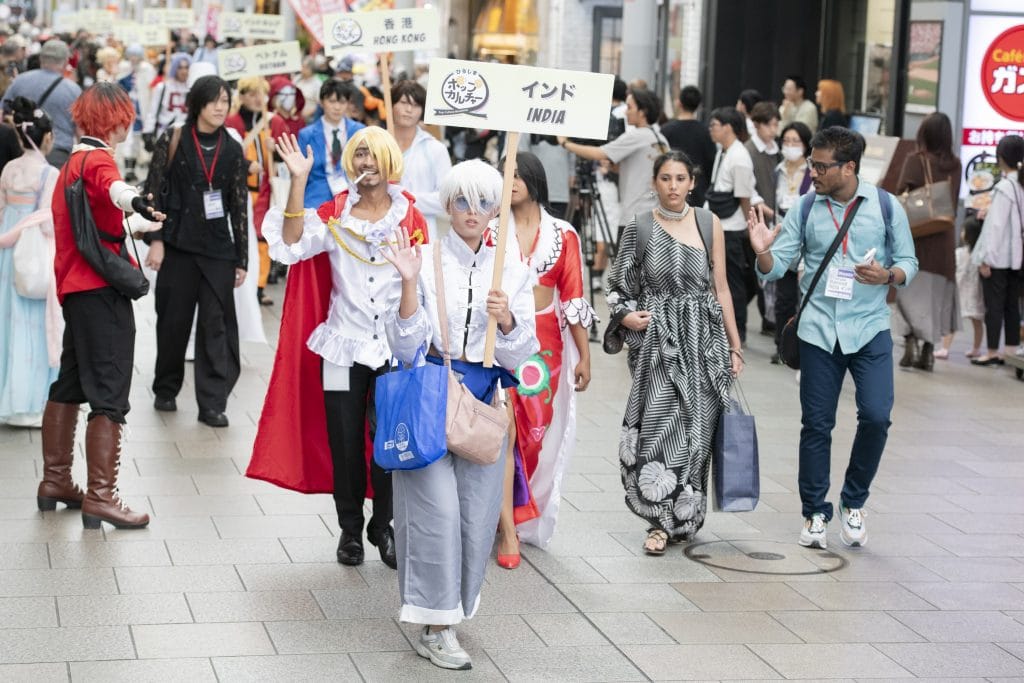
In 2024, the festival travelled to Bengaluru, Mumbai, Pune, and Guwahati, and teamed up with Mela! Mela! Anime Japan!!—an annual event supported by the India and Japan governments—in Delhi with a lineup devoted entirely to anime. It also hosted a special screening of Ramayana: The Legend of Prince Rama.
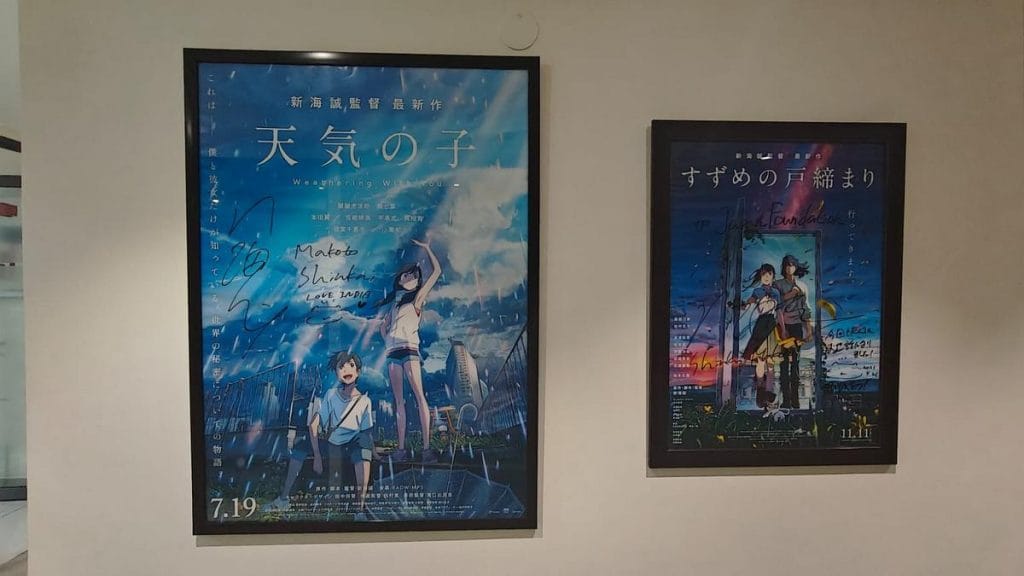
This year, the Foundation premiered Shin Chan: The Spicy Kasukabe Dancers in India, with director Masakazu Hashimoto in attendance. A poster of the film, signed by him, dominates one wall of the office. The foundation also supported this year’s Barak anime-con.
The rising curiosity about Japan is evident in tourism numbers too. This year, Japan recorded 142,400 arrivals from India between January and May — a nearly 40 per cent jump over 2024, according to the Japan National Tourism Organisation. Travel companies now even curate itineraries around anime landmarks.
Also Read: Malegaon & its many rewrites. Riots, bombs, Superman & now Reels
OTT battles and manga mania
Anime has invaded streaming platforms in India, offering deals, titles, and variety that can rival any other genre. India is the world’s second-largest anime market after China, with around 180 million fans of Japanese animated films and series. And the business is only getting bigger, projected to leap from US$1.6 billion in 2023 to nearly US$5 billion by 2032.
“What helped anime become so popular in India is also the fact that superheroes were on a downward spiral. Marvel movies had peaked. But it won’t happen with anime because it has a wide bouquet of choices from sci-romance, thrillers— you name it and anime has it. It will peak, plateau and eventually become a part of our regular lives,” said Varma.
When Netflix acquired 21 titles from the animation powerhouse Studio Ghibli in 2020, it was the first rung of the ladder to legitimate, easy access to anime in India. Before that, piracy was rampant, and fans depended on dubious websites to watch their favourite shows.
The competition among streaming platforms has intensified with Crunchyroll’s entry into the Indian market. Its library has more than 1,000 titles, compared to Netflix’s relatively paltry 160. Ironically, Crunchyroll began as an illegal hosting site in 2006, but turned legit three years later, ultimately being acquired by Sony in 2020.
Since anime is adapted from manga, viewers now read the manga to know the next part of the story
-Priyadarshan Dwivedy, who runs the anime-focused YouTube channel DBS Chronicles
In 2024, the San Francisco-headquartered company brought on “anime superfans” Rashmika Mandanna and Tiger Shroff as brand ambassadors and set up its second India office in Hyderabad, a hub for VFX and animation. In June this year, Crunchyroll slashed subscription prices from Rs 999 to Rs 475.
“In addition to offering regional dubs, we’re unlocking new entry points for fans through on-ground and cultural collaborations, such as Comic Con partnerships. India is becoming one of the most dynamic anime markets in the world,” said Bernal.
In September this year, Demon Slayer: Kimetsu no Yaiba – Infinity Castle delivered Rs 90 crore in India, marking the highest-grossing week ever for an anime film here. It also broke into the top five films of the month in India.
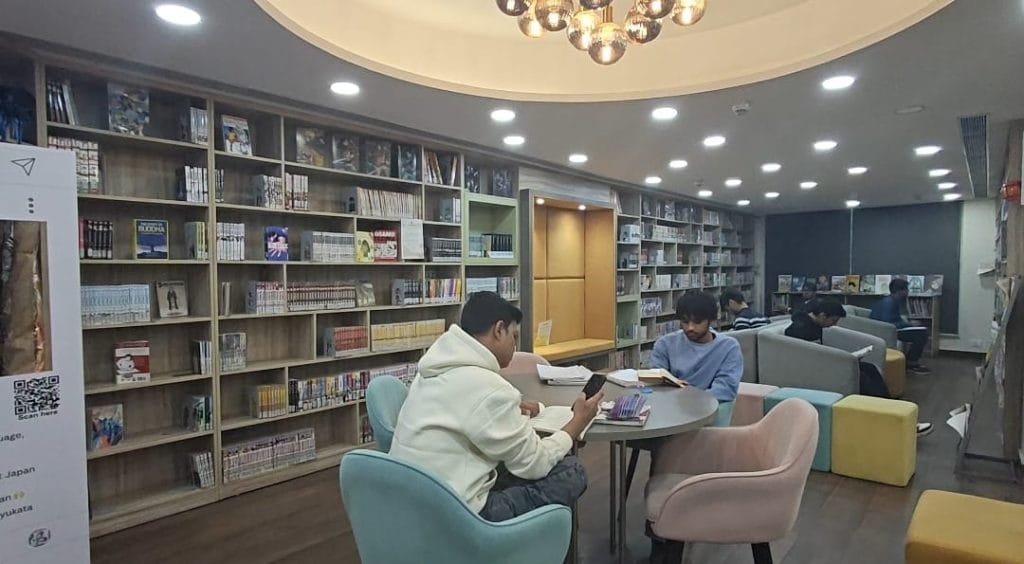
Anime fever has crossed over into reading too, with India placed 11th globally in manga consumption.
“Since anime is adapted from manga, viewers now read the manga to know the next part of the story,” said Dwivedy. “Take the example of Jujutsu Kaisen, which is not just extremely popular across the globe but in India too. Its next season will be out in 2026.”
At the Japan Foundation library, college students and professionals sit on plush sofas or at tables, absorbed in manga or Japanese primers. At least 100 people come to the library daily, with numbers rising ahead of the Japanese-Language Proficiency Test held in December and July. This year, even an 80-year-old retired doctor enrolled to learn Japanese.
“People learn Japanese and save up to travel to Japan so they can recreate frames from their favourite mangas and anime,” said Dwivedy.
(Edited by Asavari Singh)
