
“I want my MTV”: Baby boomer Anand Mahindra gets nostalgic as iconic music channel goes silent
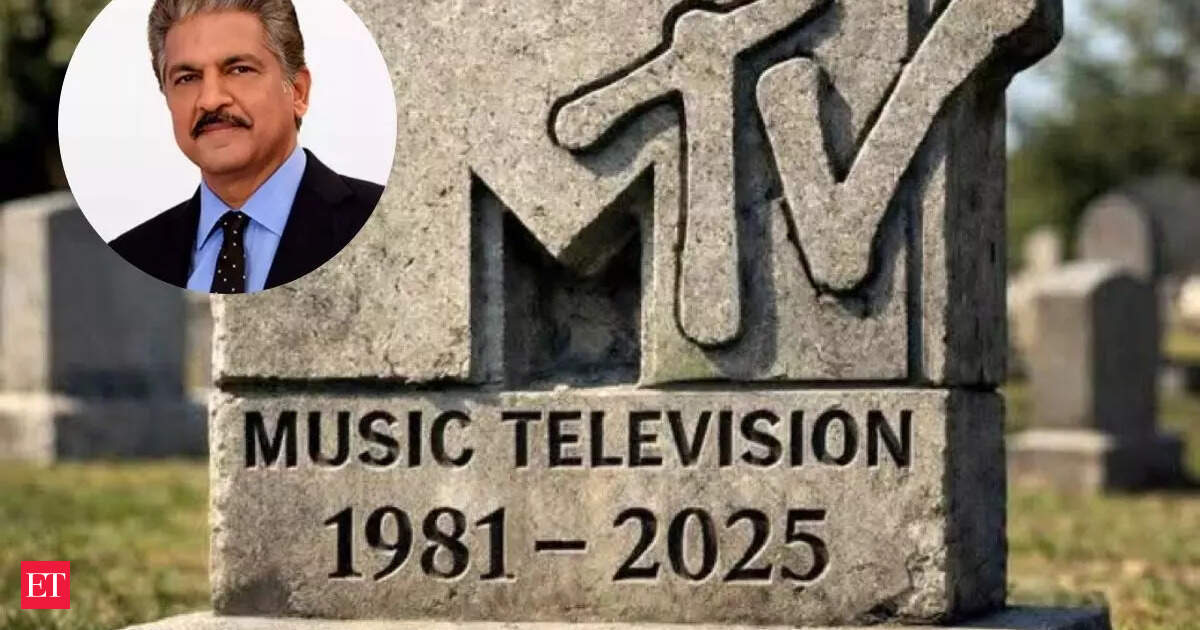
MTV’s shutdown has triggered a wave of nostalgia among baby boomers and Gen X audiences, including industrialist Anand Mahindra, who summed up the moment with a familiar refrain: “I want my MTV.” As the iconic music network quietly pulled the plug on its dedicated music channels, many were reminded of an era when television, not smartphones, defined how music was discovered and experienced.
In a social media post on X, Anand Mahindra said, “The end of MTV hits differently for Baby Boomers like me. When it launched in 1981, it changed how we heard and saw music. It shaped tastes, icons and the sense of what was cool.”
“I guess this deserves one last chorus by Sting: ‘I want my MTV,’” he summed up his feelings.
From January 1, 2026, Paramount Global shut down MTV Music, MTV 80s, MTV 90s, Club MTV and MTV Live across several regions, including the UK, Europe, Australia and Brazil. The decision marks the end of a format that shaped youth culture for more than four decades, influencing not just playlists but fashion, attitude and what it meant to be “cool”.
When MTV changed how the world heard music
Launched in 1981, MTV revolutionised entertainment by turning music into a visual experience. Its first broadcast, Video Killed the Radio Star by The Buggles, became one of pop culture’s most quoted moments. For years, the channel ran music videos around the clock, introducing global audiences to new artists through charismatic VJs and themed shows.
— anandmahindra (@anandmahindra)
For many baby boomers, MTV was more than a TV channel. It was a shared cultural space that set trends and bridged geographical boundaries, making Western pop, rock and later hip-hop part of everyday conversation.
Five iconic MTV channels go off air
The channels that have now stopped broadcasting include:
- MTV Music, the network’s core music video channel
- MTV 80s, known for its retro hits
- MTV 90s, featuring alternative rock and pop classics
- Club MTV, focused on dance and electronic music
- MTV Live, which showcased concerts and live performances
The shutdown began in the UK and Ireland before extending to continental Europe and other international markets.
Why MTV is shutting down?
The closures are part of Paramount Global’s cost-cutting drive following its $8.4 billion merger with Skydance Media in 2025. As part of a wider effort to reduce expenses across its global portfolio, the company has been trimming non-core and low-growth operations.
Earlier in 2025, Paramount had already paused several MTV-led award shows, including the MTV Europe Music Awards and MTV Latin America’s MIAW Awards, signalling a broader pullback from traditional music television.
Streaming replaces scheduled TV
Another key reason behind MTV’s fade-out is the shift in audience behaviour. Music discovery has largely moved to digital platforms such as YouTube, TikTok and Spotify, leaving traditional TV music channels with shrinking audiences.
Even though MTV Music and MTV 90s drew around 1.2 million and 949,000 viewers respectively in July 2025, overall viewership for TV-based music content has been in steady decline. Paramount is now redirecting focus towards its streaming service, Paramount+.
What remains of MTV today
The main MTV channel continues to broadcast, but its content is now dominated by reality shows such as Catfish and The Challenge. The wall-to-wall music video format that once defined the brand has effectively become history.
For figures like Anand Mahindra, and for millions who grew up waiting for their favourite video to play, MTV’s silence feels like the end of a cultural chapter. The channel that once told the world what to watch and listen to has bowed out quietly, leaving behind memories, music, and a line that still resonates: “I want my MTV.”
