
Trump administration map shows PoK, Aksai Chin in India
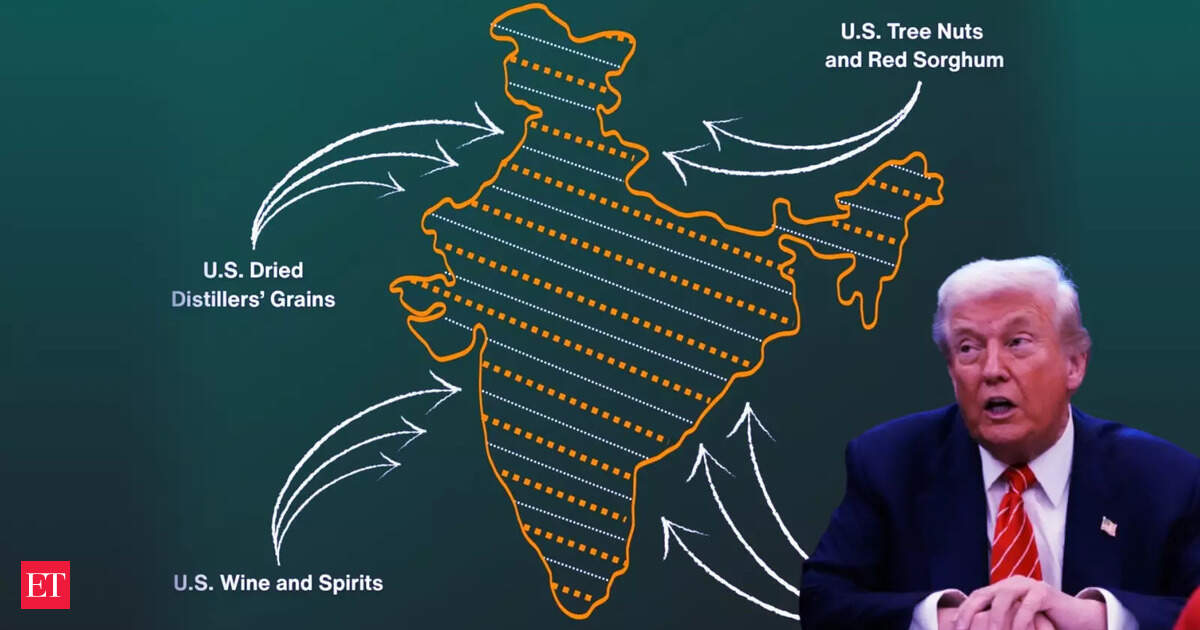
The Trump administration on Friday released an official map of India that depicts the entire Jammu and Kashmir region, which includes Pakistan-occupied Kashmir (POK) as well as Aksai Chin, as integral parts of Indian territory.
The map was shared by the United States Trade Representative (USTR) on X alongside the announcement of a framework for an interim trade agreement between India and the US.
The depiction marks a clear shift from past US practice, which traditionally showed POK and Aksai Chin as disputed areas. Analysts see the move as a calculated geopolitical gesture towards New Delhi, one that is likely to unsettle Pakistan and China at a time when Washington’s relations with both remain strained.
The map is also viewed as a renewed signal of US strategic backing for India as a key counterweight in the Indo-Pacific, a stance that had appeared uncertain amid recent Saudi-Pakistan engagements and Washington’s limited outreach to Beijing despite an ongoing trade war.
Described by observers as an exercise in “cartographic diplomacy”, the map effectively ends decades of US ambiguity on the region’s contested borders. By aligning its official depiction with India’s territorial claims, the Trump administration appears to be elevating India’s status from a strategic partner to a central pillar of American interests in Asia. At the same time, analysts note that the move comes alongside US pressure on India to curb Russian oil imports, underscoring that strategic support is closely tied to policy alignment.
Some analysts believe the map formed a quiet but crucial element of a broader understanding between President Donald Trump and Prime Minister Narendra Modi.
While public attention has focused on trade concessions, including a reduction in tariffs from 50% to 18% and India’s reported $500 billion “Buy American” commitment, the territorial affirmation is being seen in New Delhi as a significant diplomatic win. Defence analyst Major Gaurav Arya welcomed the shift, calling it a decisive break from earlier US representations that showed POK as part of Pakistan.In India, the development sparked a brief surge of nationalist sentiment on social media, with #AkhandBharat trending as supporters hailed the map as international validation of India’s territorial integrity. In contrast, reactions in Pakistan were marked by concern, with many users describing the move as a departure from long-standing diplomatic norms.
(With inputs from TOI)
