
‘Winding down’ but adding troops
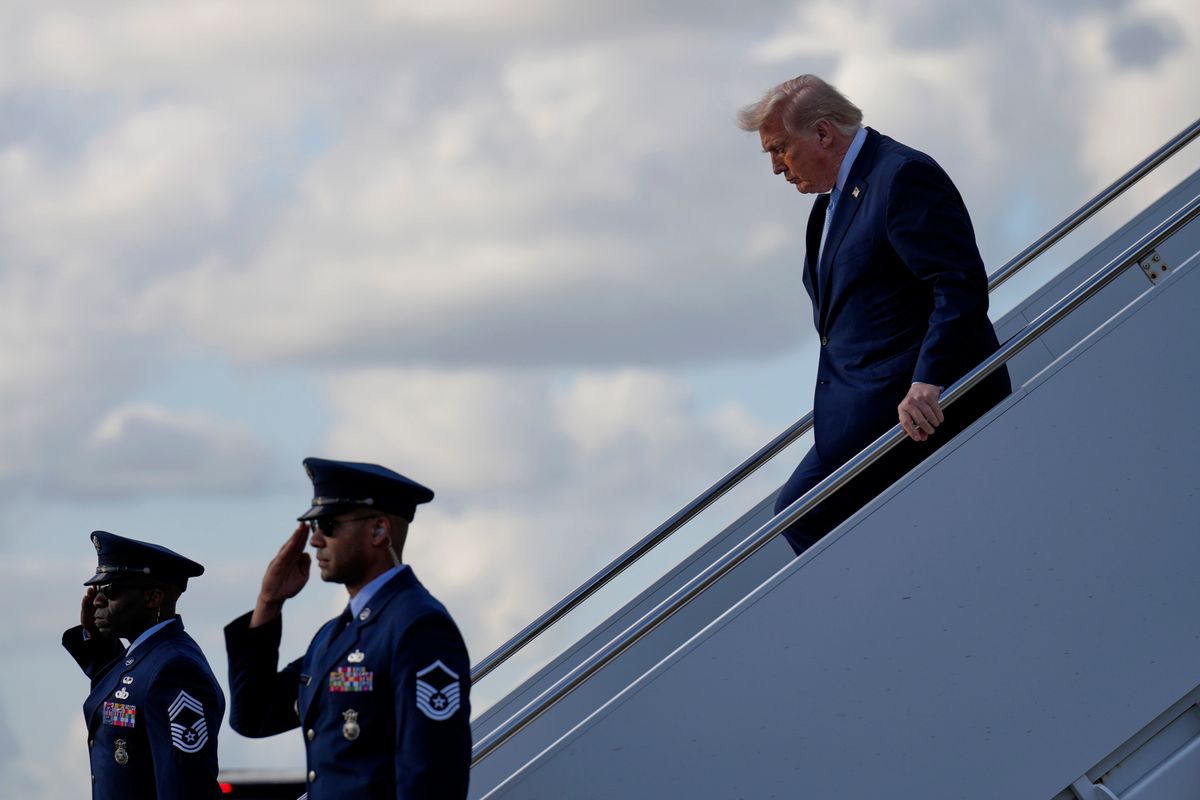
Trump has ruled out sending in ground troops, though his administration has hinted at a possible deployment of special forces or similar units.
The Marines being sent to the region are an expeditionary unit designed for quick amphibious landings, but their deployment does not mean a ground invasion is certain. Analysts have suggested it may require the presence of U.S. forces on the ground to ultimately secure the strait.
The surge in troops came just a day after news emerged that the Pentagon was seeking an additional $200 billion from Congress to fund the war. That extraordinarily high number does not suggest that the war was being wound down.
Sanctions on Iranian oil sales
The administration said it would lift sanctions on the sale of Iranian oil, provided it was already at sea as of Friday. The move was an attempt to help lower skyrocketing energy prices by allowing freer sale of oil that Iran has let pass through the strait. It also extends a financial lifeline to the Iranian government that Trump is targeting.
His administration has tried other methods to lower oil prices. It has tapped the U.S. strategic petroleum reserve and lifted sanctions on some Russian oil. Yet Brent crude remained at $112 per barrel Friday, and analysts say oil prices are likely to remain high for months regardless of the next steps in the war.
The Iranian oil eventually would have reached another country, but now the United States and its allies can bid on it as well, Treasury Secretary Scott Bessent wrote on X.
“At present, sanctioned Iranian oil is being hoarded by China on the cheap,” Bessent wrote. “By temporarily unlocking this existing supply for the world, the United States will quickly bring approximately 140 million barrels of oil to global markets, expanding the amount of worldwide energy and helping to relieve the temporary pressures on supply caused by Iran.”
While 140 million barrels may seem like a lot, that is only a couple of days worth of oil on the global market.
Patrick De Haan, the head of petroleum analysis at GasBuddy, a U.S. fuel-tracking service, said he does not expect the temporary suspension to have a major impact on gas prices. The de facto closure of the strait has a much greater effect, he said. “Prices will likely still continue to rise so long as the Strait remains silent,” De Haan said.
