
Xiaomi Announces Official OTA Update Schedule for Wearable Devices
Summary
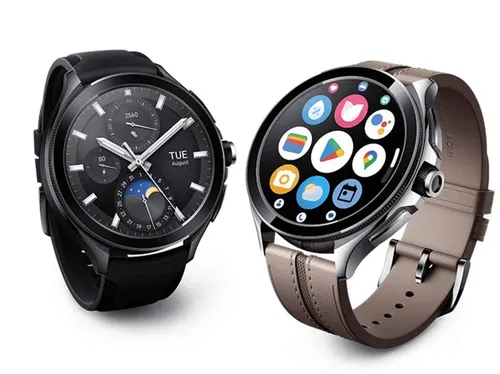
- a]:text-primary dark:[&>a]:text-white [&>a]:underline md:text-lg text-base”>Xiaomi has officially announced an OTA update schedule for its wearable lineup covering April through September 2026, offering users a transparent six-month roadmap across watches, fitness bands, AI glasses, and audio accessories.
- a]:text-primary dark:[&>a]:text-white [&>a]:underline md:text-lg text-base”>The most eagerly requested feature in the schedule — WeChat voice message to text conversion before sending — is confirmed for a July rollout, giving wrist-based users a meaningful upgrade to one of China’s most-used communication workflows.
- a]:text-primary dark:[&>a]:text-white [&>a]:underline md:text-lg text-base”>The announcement continues Xiaomi’s established practice of publishing structured wearable update plans: a similar roadmap was shared for the second half of 2025, covering the Redmi Watch 5, Watch S4 series, Mi Band 10, and AI Glasses ecosystem.
- a]:text-primary dark:[&>a]:text-white [&>a]:underline md:text-lg text-base”>The schedule spans the full wearable portfolio, meaning different devices will receive updates at different points across the six-month window — users should monitor Mi Fitness App notifications for their specific device timing.
- a]:text-primary dark:[&>a]:text-white [&>a]:underline md:text-lg text-base”>This kind of proactive communication builds user trust without requiring a hardware announcement — and positions Xiaomi’s wearable software support as a competitive differentiator in a market where post-sale updates are often an afterthought.

The WeChat voice-to-text feature isn’t trivial. Anyone who’s tried to reply to a voice message while walking, driving, or in a meeting knows the friction involved. Converting incoming voice messages to readable text on the wrist removes exactly that bottleneck — no phone needed, no earbuds required, just a glance at your wrist and a response.
Why This Update Structure Matters
Most smartwatch manufacturers ship hardware and then go quiet. Xiaomi’s approach — publishing a named feature, on a named timeline, tied to a specific month — forces internal accountability and gives users something to actually look forward to. I suppose some would call this basic product communication. It isn’t. It’s genuinely uncommon.
The WeChat Integration Story
Here’s the broader context worth understanding. WeChat integration in Xiaomi wearables has been building for years — from basic notification alerts to full app support on the Watch S3 and Watch S1 Pro, to native real-time WeChat communication landing on the Redmi Watch 5 in late 2025. Voice-to-text conversion is the next logical step, and frankly the most practically useful one. It’s the difference between wearable WeChat feeling like a feature and feeling like a tool.
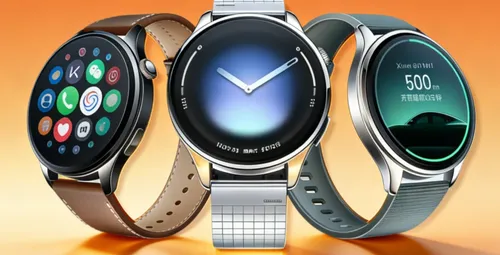
The July timing puts it ahead of China’s peak back-to-school and corporate buying season in Q3, which isn’t accidental. Software features that solve real communication pain points tend to drive accessory upgrade consideration — and Xiaomi knows it.
For Users: What To Actually Do
Check Mi Fitness App, not just device settings. That’s where update notifications are pushed first. Different devices in the lineup will receive updates at staggered points across the six-month window — so if your device doesn’t receive the July update immediately, it doesn’t mean it’s excluded. Staged rollouts are standard practice. Patience, and a fully charged watch, are both advisable.
