
The winners from China’s growing intercity football rivalries may surprise you
“I can’t wait to watch the game – it’s Lion’s Head Meatballs versus Hairy Crab!” Liu Jieling, a 42-year-old company executive from Suzhou, joked about a derby clash pitting a side inspired by her city’s signature crustacean cuisine against one by Yangzhou’s steamed meatballs.
Entering its second year, the league continues to captivate fans with vibrant city rivalries. Tickets frequently sell out and social media is flooded with memes and chants celebrating local pride.
10:41
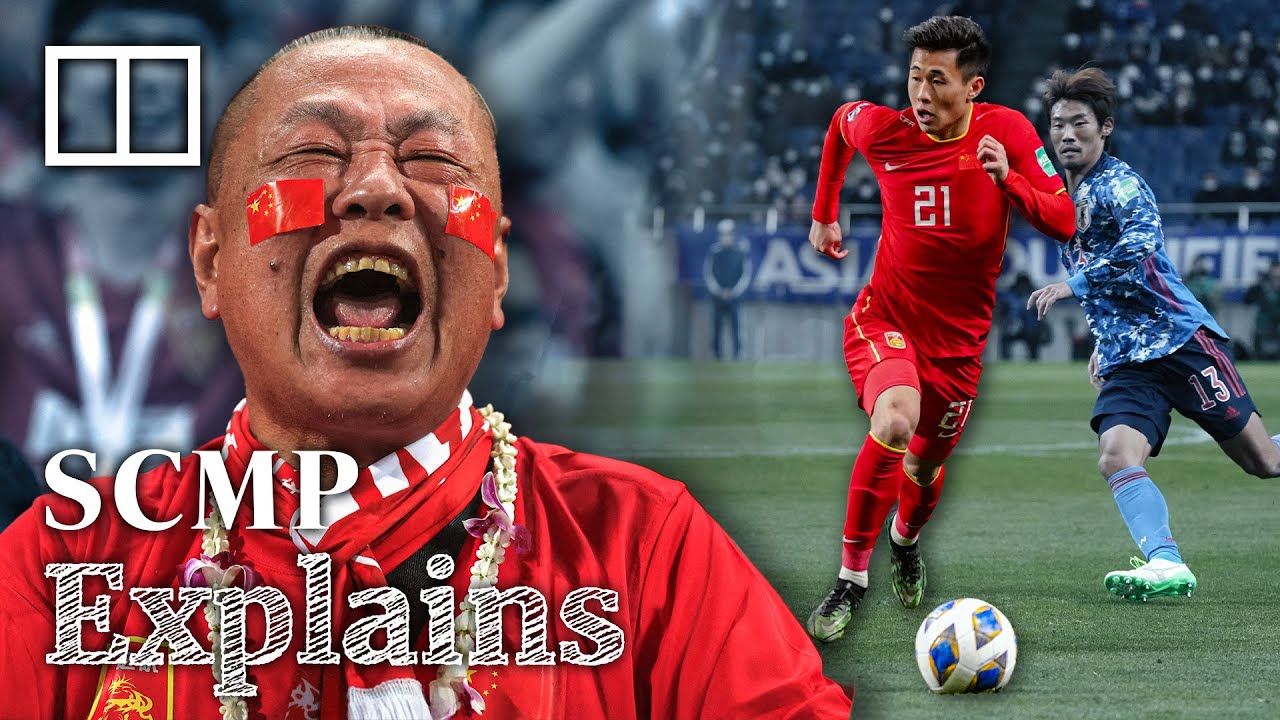
What’s wrong with professional football in China?
What’s wrong with professional football in China?
“I wasn’t a football fan before, but it’s so much fun watching the playful rivalries,” Liu said. “Supporters turn every derby into entertainment far beyond the scoreline with local-themed memes.”
Advertisement
Behind the remarkable success of the tournament and similar leagues in several other provinces, a key factor lies in the strong diversity between cities – a direct result of China’s distinctive governance model under its tradition of centralised authority.
At the same time, the booming popularity of the games is driving a subtle shift in governance: from traditional top-down management towards a more collective, participatory and public-oriented model, at least in the sports sector, according to experts.
‘Loose-packed Jiangsu’ is not mere jest, but a precise summary of the province’s internal diversity
Last season, the 85-match Su Super League drew more than 2.43 million spectators to the grounds – averaging about 28,600 per game and surpassing the professional national league’s average of around 25,700, according to state news agency Xinhua. Live streams attracted more than 2.2 billion views, with related social media topics exceeding 100 billion plays, official data shows.
