
Hrs after sharing map showing J&K as part of Pakistan, Nepal Airlines regrets ‘cartographic inaccuracy’
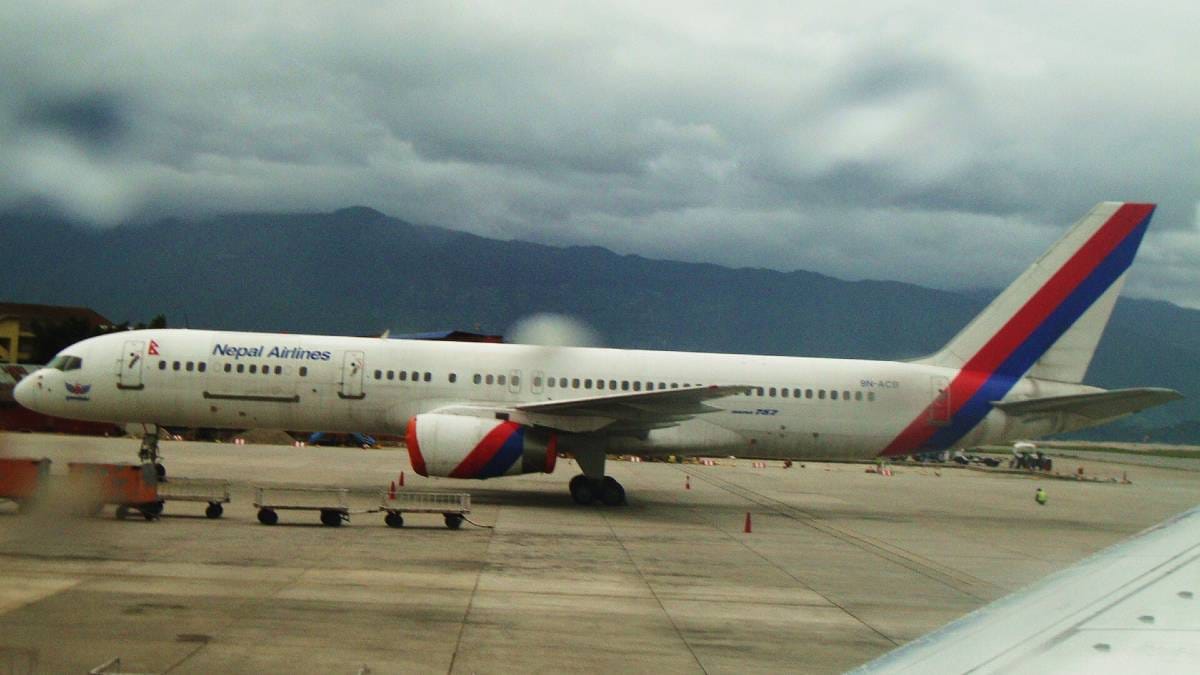
New Delhi: Hours after Nepal Airlines issued an inaccurate route map depicting the entire region of Jammu & Kashmir as part of Pakistan, the state-run carrier issued a formal apology for the cartographic error.
In a statement shared on X Thursday, Nepal Airlines described the map as containing “significant cartographic inaccuracies” and said it did not reflect the official position of either the airline or the Nepali government.
“We sincerely apologise for the error in the network map recently shared on our social media channels. The map contained significant cartographic inaccuracies regarding international boundaries that do not reflect the official stance of Nepal or Nepal Airlines,” it said.
The map was removed across all platforms, and the airline said an internal review was under way.
We sincerely apologize for error in the network map recently shared on our social media channels. The map contained significant cartographic inaccuracies regarding international boundaries that do not reflect the official stance of Nepal or Nepal Airlines. pic.twitter.com/E5MZSS8CjQ
— Nepal Airlines🇳🇵 (@NepalAirlinesRA) April 30, 2026
“We deeply value our strong relationships with our neighbours and regret any offence the post has caused,” the statement added.
Apart from the J&K region, the map showed independent countries like Tajikistan and Kyrgyzstan as part of China.
India and Nepal have had longstanding territorial tensions, particularly over the Kalapani region near the tri-junction with China. The disagreement intensified in 2019 when India published a revised political map incorporating Kalapani within its borders, prompting protests from Kathmandu.
The dispute followed differing interpretations of the 1816 Treaty of Sugauli, which established the Kali River as Nepal’s western boundary but did not clearly define its source.
Nepal maintains that the river originates near Limpiyadhura, placing areas such as Kalapani and Lipulekh within its territory. India, however, identifies a different source point.
Tensions escalated in 2020 after India inaugurated a road linking Dharchula to Lipulekh, in order to improve access for pilgrims travelling to Mount Kailash in Tibet. Nepal responded by issuing a new political map that included the contested areas within its own boundaries, formalising its claim through a constitutional amendment.
India has rejected Nepal’s position, maintaining that the disputed areas remain under its administration and are integral to its territory.
(Edited by Nida Fatima Siddiqui)
Also Read: After Pakistan protests, US Trade Representative quietly removes map showing J&K as part of India
