
Japan’s konbini culture is taking the Internet by storm-here’s why
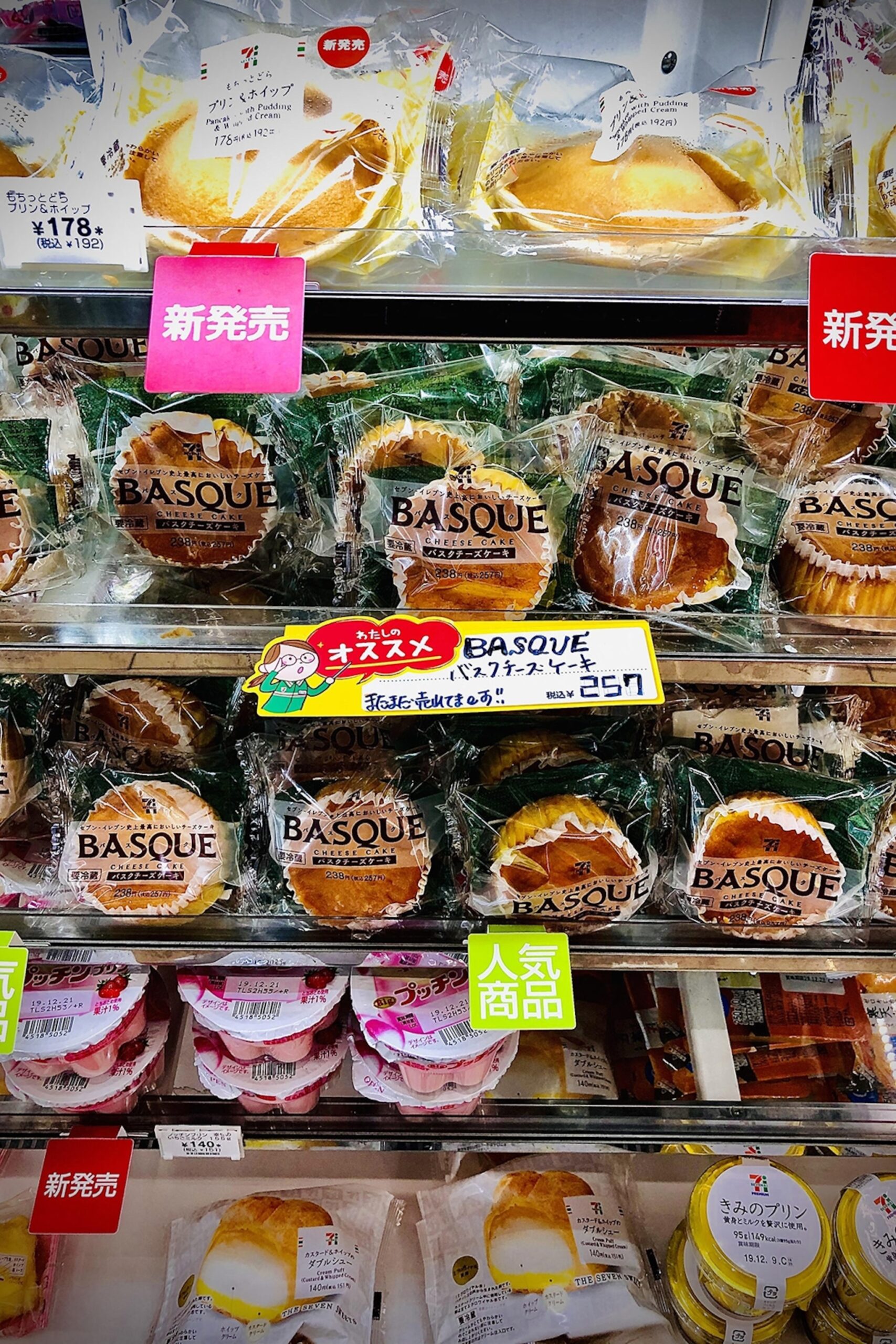
From Basque cheesecake muffins to onigiri rice balls, a variety of treats are stocked at konbini. Leopold von Ungern, Stockimo, Alamy
Seasonal eats & collab treats
One of the many pleasures of konbini dining is its shifting seasonality. Expect steaming hot oden in winter, a comforting Japanese version of a hotpot stew, while the warmer months bring refreshing cups of kakigōri, finely shaved ice drizzled with condensed milk, and bright, fruity syrups. The stores often receive deliveries for breakfast, lunch and dinner, keeping the food exceptionally fresh throughout the day.
High-end collaborations and limited editions can be also found in the colourful, meticulously organised aisles. In 2023, the world’s first Michelin-starred ramen restaurant, Tsuta, released a range of truffle salt noodles with 7-Eleven, while the dessert brand Black Thunder regularly teams up with the chain to release exclusive flavours, such as an ice cream bar using premium cocoa beans called the Black Thunder Excellent. “Each chain has its own identity,” says Serkan, explaining that Lawson sells top-notch desserts, while FamilyMart has leaned into collaborations, “such as its recent partnership with the famous shop Onigiri Bongo to elevate its onigiri rice balls.” Branded or otherwise, 7-Eleven is Niki’s go-to for onigiri — steamed white rice balls wrapped in a seaweed sheet with fillings such as tuna mayo, grilled salmon and sekihan red bean. “The rice has a nice texture, and there’s a good rice-to-filling ratio,” she says.
Stepping inside a FamilyMart, expect to be greeted by the tempting aroma of juicy fried chicken wafting from the heated food counters located near the entrance. Following the scent leads to piles of famichiki, boneless chicken legs and thighs coated in golden-brown batter and deep-fried to perfection. The Instagenic snack, served in a distinctive striped paper sleeve, has gained a cult-like following, with miso, cheese-stuffed or teriyaki varieties popping up through the year. Offering plenty of bang for your buck, a generous piece of famichiki costs around £1.50 (or a couple of dollars), making it, like so much konbini produce, a popular choice for budget-conscious shoppers.
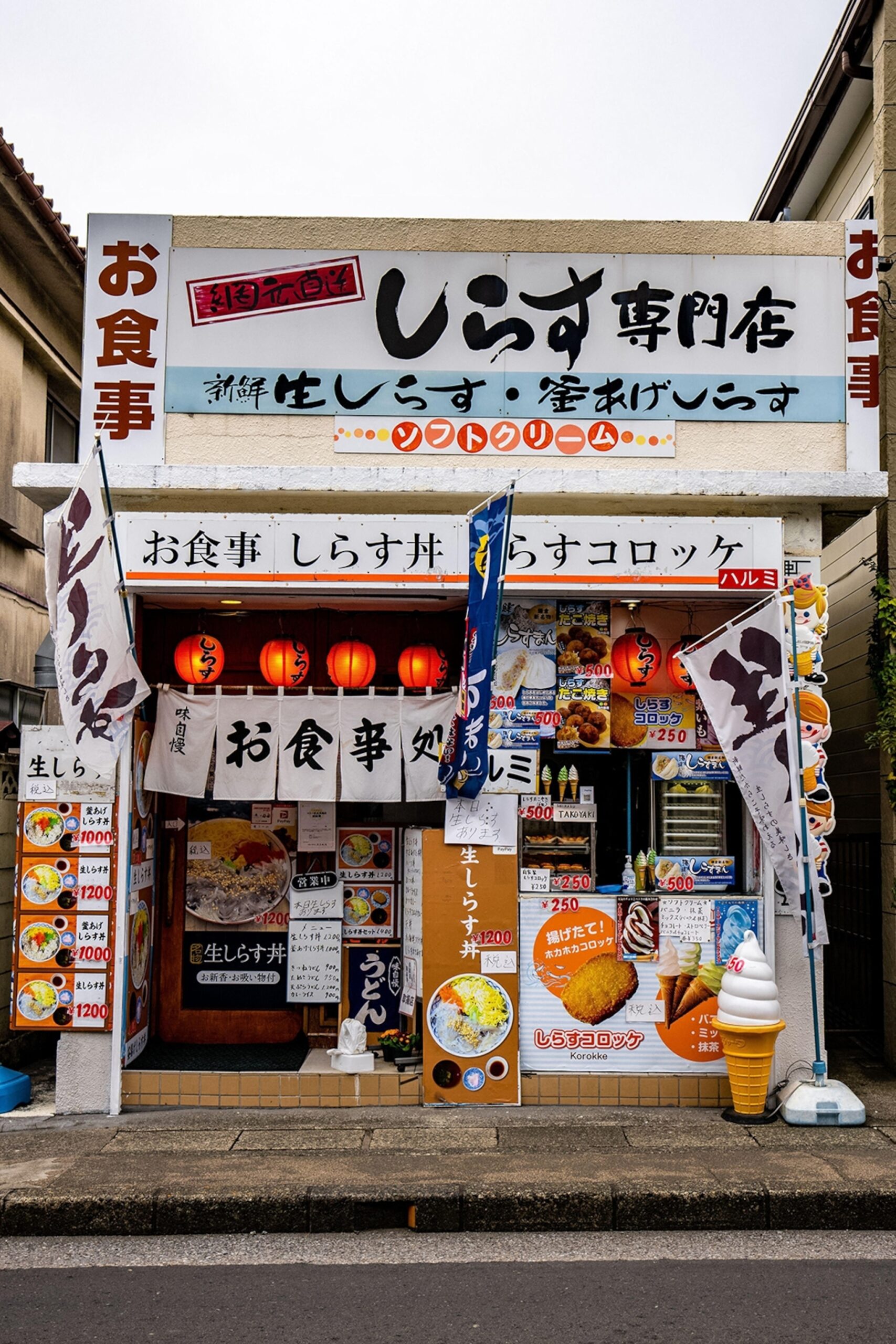
Konbini shops can be likened to the western deli, where shoppers can also purchase meals to dine in-house. Wirestock Inc., Alamy
Creative combos
While Niki agrees that famichiki lives up to the hype, her personal favourite is Lawson’s version of fried chicken, parichiki, which has a lower salt content than the typical wing. “The inside is still juicy, but the outside is a bit crunchier,” Niki says, adding that combining Lawson’s parichiki with FamilyMart’s tamago sando elevates things to heady new heights. The sandwich has a “good bread-to-filling ratio, a nice and creamy texture and a hint of mustard.”
The range of food available at konbinis encourages a creative, mix-and-match approach, Niki says. “I love trying new things and the challenge of combining simple items to make something new.” Japan’s enthusiasm for seasonal specials means that the choices are ever-changing, she adds. “These companies have mastered what the consumer wants and needs. I think this is why locals and visitors love them so much,” she concludes. Some of the best-loved combinations include the likes of pizza sand with famichiki — a pizza-filled sandwich (‘pizza sand’) with famichiki that doubles as a DIY chicken parmesan-style sandwich — and ramen with American cheese, a late-night staple of spicy instant ramen enriched by melted slices of American-style processed cheese.
