
Hantavirus poses ‘very low risk’ to Thailand
PUBLISHED : 10 May 2026 at 13:16
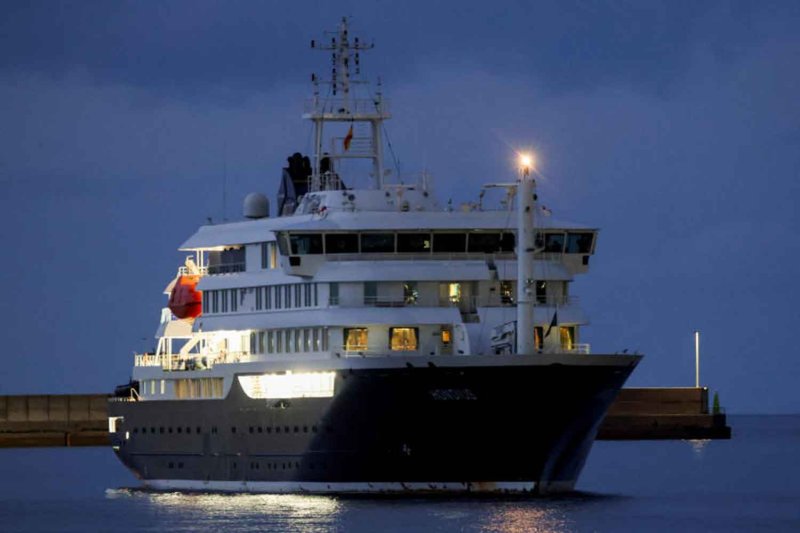
The hantavirus in the headlines following an outbreak of the disease on a cruise ship which has arrived in Spain poses a very low risk to Thailand, according to a renowned Thai virologist.
Prof Dr Yong Poovorawan, head of the Centre of Excellence in Clinical Virology at Chulalongkorn University, wrote on Facebook on Sunday that humans usually caught hantavirus disease by inhaling contaminated dust or bodily fluid from rats or other rodents – such as urine, faeces or saliva, which all exist in the environment.
Rat bites could transmit the disease, but there were few such cases. Normally, the disease was not transmitted between humans. An exception was the Andes strain, which was making headlines, Prof Yong wrote.
He said symptoms include a high fever, muscle ache, headache, nausea and vomiting. Patients with severe symptoms could suffer renal failure, dengue-like bleeding, pulmonary edema and breathing failure. The fatality rate from the Andes strain was 30-40%.
There were very few cases of hantavirus infection reported in Thailand, and it was not the Andes strain.
“The risk for Thailand is very low. Although this virus exists in Thailand, it is a different strain and it has been here for 40-50 years. So, there is no concern at all,” Prof Dr Yong wrote.
The RNA virus was named “Hanta” after the Hantan River in South Korea where it was first identified after the Korean War, he said.
The disease is found worldwide and there were two symptom-groups.
One was hemorrhagic fever with renal syndrome (HFRS), found widely in Asia and Europe. The other was hantavirus pulmonary syndrome (HPS), which is found in the Americas, especially South America, he said.
