
SQ321 passengers still bear scars two years on, but are trying to move forward
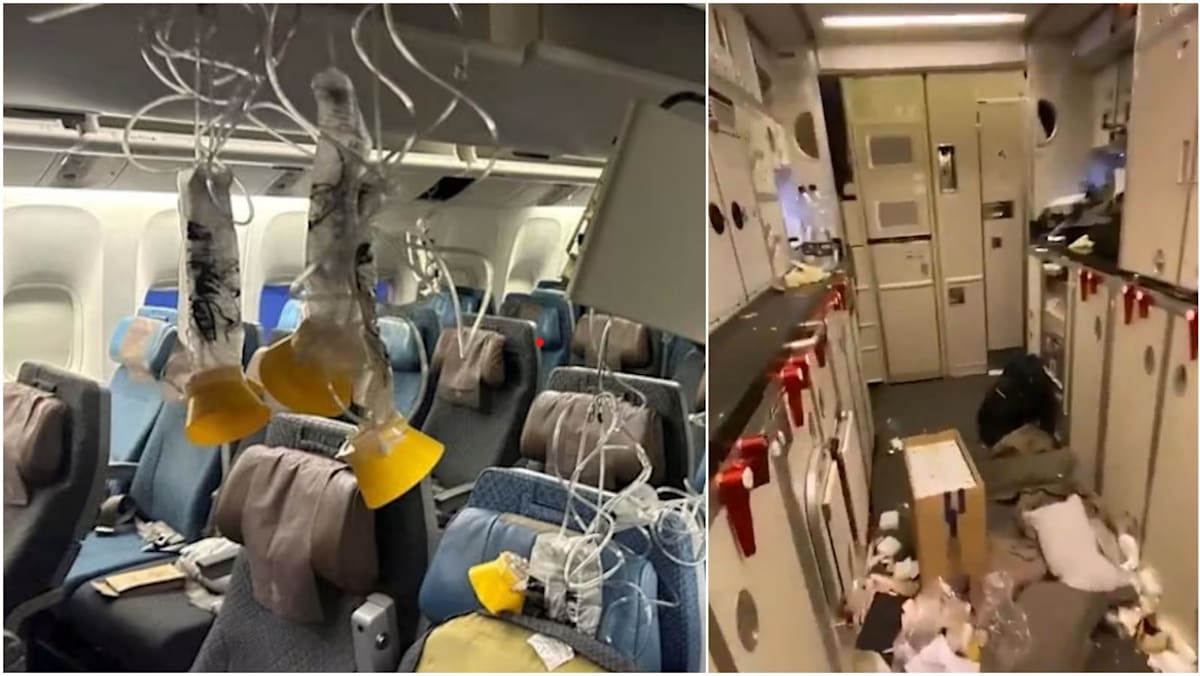
Mr Ian, who suffered neck and back injuries, also signed a confidential compensation agreement with the airline.
He said he remains worried about inflation and the pain he continues to live with, and acknowledged that future medical costs could arise. He has stopped going for physiotherapy and other treatments after finding little relief.
Mr Ian said that had he refused SIA’s compensation offer, he would have had to engage a lawyer.
“I just don’t want to continue to drag this on,” he said.
CNA also spoke to two lawyers representing SQ321 passengers. Mr Peter Carter, director of Brisbane-based Carter Capner Law, represents 10 passengers; Mr James Healy-Pratt, a partner at UK-based Keystone Law, represents five.
Both said the final report would form part of their ongoing legal cases against the airline.
SENSE OF CLOSURE?
For Ms Kang, the final investigation report brought some closure. She had long believed the incident was caused by clear-air turbulence – invisible pockets of air that can occur at high altitude without warning – leaving her feeling helpless, since she feared it could happen again with no means of detection or avoidance.
The report’s conclusion that the turbulence was convectively induced, and that the weather radar likely did not detect the conditions ahead, has given her some reassurance that tighter systems could prevent a recurrence.
“Hopefully we can finally put this behind and really move on,” she said.
Mr Ian, however, felt no party had accepted responsibility. The report found bad weather caused the turbulence, but concluded the pilots were probably not at fault because the radar did not detect anything; the radar manufacturer, meanwhile, said there was no evidence the system had failed.
“No one wants to bear the consequences, no one wants to take up this responsibility, because it’s a bad name for the radar company and … SIA,” he said.
He was nonetheless resigned to the outcome.
“The thing has already happened. I cannot travel back in time and say I don’t want to board this flight. It’s impossible,” he said.
