
The Japanese fruit ‘sando’ is becoming India’s favourite summer dessert; take a look
If there’s one food dominating digital feeds this summer, it’s the Japanese fruit sando. On Instagram, the hashtag #fruitsando has crossed 160,000 posts and continues to climb, finding a massive audience among Indian foodies who are actively sharing their own vibrant combinations, quick recipes, and local recommendations online. In 2026, the craze truly hit home. The trend is no longer confined to luxury cafes and high prices, with dozens of small, local pop-ups going viral across the country within a matter of months.
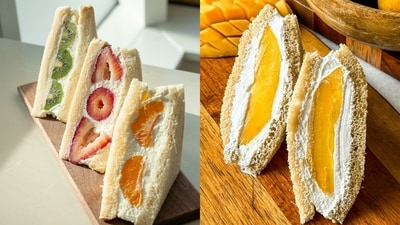
“We first spotted fruit sandos on Pinterest and realised no one in Kochi was selling them, so we decided to start with a small table setup. Within just 15 days, crowds began showing up, and now we usually sell out within an hour. Most people here initially didn’t know what fruit sandos were, but social media quickly helped the trend take off,” says Ferran C Faiz & Aashmi Shobin, co-owners of Eat Sando, a table pop-up on the streets Kochi.
It’s clear that these sandos are no longer just a niche Japanese export — they are 2026’s ultimate solution for a summer dessert that is light, cold, and visually ‘slaps’.
Where did fruit sandwiches originate?
The Japanese fruit sandwich, or fruit sando, first appeared in the early 1900s during Japan’s Meiji-to-Taishō era transition. It was pioneered in elite fruit parlours, which are specialised Tokyo and Kyoto boutiques dedicated to flawless, hand-selected seasonal produce, where owners began pairing the newly popular Western-style white bread with premium ingredients like whipped cream and imported fruits. Originally considered an expensive treat for gifting and special occasions, the fruit sando has now become a popular everyday snack sold across convenience stores in Japan.
And many, like Rinchen Wongdhen of Wongdhen Cafe, are taking inspiration from the origins. “It started when my sister came back from Japan, obsessed with fruit sandos. We first launched a classic strawberry version, but for the Indian summer, mango felt like the obvious choice. For us, it was about giving a Japanese dessert a local touch using the best seasonal fruit available,” he said.
Where to try fruit sandwiches in India
Eat Sando, Kochi offers Japanese-style fruit sandos with fluffy shokupan, whipped cream, and strawberries. Prices start at ₹110, and speciality versions cost around ₹140.
Wodehagen Cafe, Majnu-ka-tilla in Delhi, offers Korean-Japanese style fruit cream sandos filled with seasonal mangoes and strawberries. Served in pairs, priced between ₹220– ₹280.
Egg Cult, Chandigarh, offers brunch-style seasonal fruit sandwiches with indulgent flavours and gourmet twists. Prices range from ₹180– ₹260.
Gelassimo located in Bandra West and Matunga, Mumbai, offers minimalist Tokyo-inspired fruit sandos with premium strawberries and mangoes in crustless bread. Starts at ₹99.
The oldest fruit sandwich in India
Long before Japanese fruit sandos became an internet trend, Old Delhi already had its own version. Jain Coffee House in Chawri Bazar has been serving a Bombay-sandwich-style fruit sando for nearly 80 years — made with white bread, fruit chutney, thick slices of paneer, and seasonal fruits like mango, apple, and chikoo. Priced between ₹60 and ₹120, the salty-sweet sandwich has built a loyal following across generations.
Which is exactly why the Japanese-style fruit sando feels surprisingly familiar to Indian customers today. “The sando has been a big success at our cafe because people were curious — they hadn’t tried a fruit sando before,” says Agam from EggCult, Chandigarh. “But what surprised us is how much it connects to Indian memory. Cream and fruit on soft bread is basically the fruit cake everyone grew up eating at birthday parties. So even though the format is Japanese, the feeling is very desi.”
How to make fruit sandos at home
But if you don’t want to go out in this heat, the sandwich itself is surprisingly simple to recreate. According to food influencer Tanya Verma, to make a simple mango sando, whip 1 cup of cold whipping cream until stiff and creamy. Remove the crusts from 4 slices of soft white bread, then spread a thick layer of cream onto one slice. Arrange thick mango slices diagonally across the bread, cover with more whipped cream, and place another slice on top. Gently press, wrap the sandwich, and refrigerate for 30–60 minutes so it sets properly. Slice diagonally before serving for the signature fruit sando look.
Pro-tip: Pack on the whipped cream layer because it protects the fruit and the bread from catching any moisture, and then cling wrap the whole thing to keep it fresh for longer.
