
Love samosa, pakoras and vada pav? FSSAI issues fresh warning on newspaper-wrapped street snacks. Here’s why it could be risky
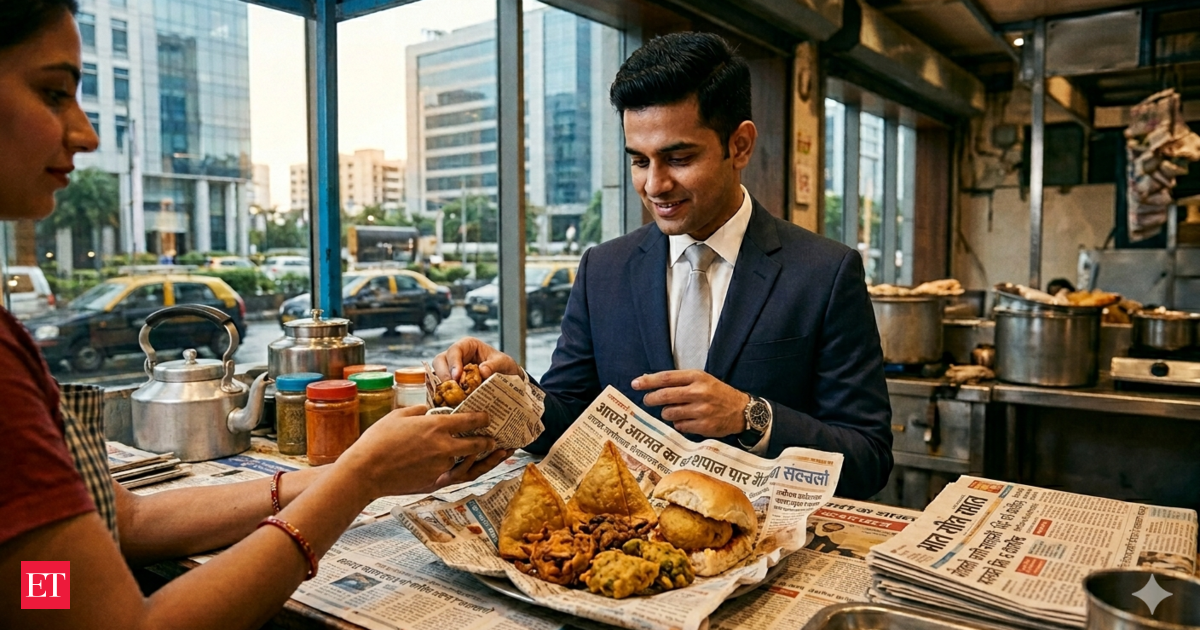
If you’ve ever eaten a samosa, pakora, or vada pav served in a newspaper, India’s food safety regulator or FSSAI wants you to think twice.
The Food Safety and Standards Authority of India (FSSAI) has renewed its warning against using newspapers to wrap, serve, or store food, saying the practice exposes consumers to harmful chemicals and contaminants. The advisory comes after authorities took action against a popular vada pav vendor in Mumbai who was allegedly using newspapers for food packaging.
ALSO READ: This weapon found in an Egyptian pharaoh’s tomb wasn’t made on Earth. Scientists solve a 3,000-year-old mystery
What Prompted the Fresh Warning?
The latest advisory follows a joint inspection by FSSAI’s Western Region and the Brihanmumbai Municipal Corporation (BMC) after a well-known Mumbai vada pav outlet was found allegedly serving food wrapped in newspapers. Authorities subsequently urged food businesses across the region to stop the practice. Officials fear similar practices may be common among street food vendors, small eateries, and food outlets.
Why Does FSSAI Say Newspaper-Wrapped Food Is Unsafe?
In a social media post, FSSAI explained the health risks associated with newspaper packaging. “Serving or wrapping fried food in newspapers might seem harmless, but it carries serious health risks.”
“Newspaper printing ink contains toxic chemicals & heavy metals like lead. When hot or greasy food comes into contact with the print, these toxins leach directly into the meal.”
— fssaiindia (@fssaiindia)
According to the regulator, printing inks can contain chemicals, pigments, binders, and heavy metals that may migrate into food, especially when the food is hot, oily, or moist.
Not Just Ink, Hygiene Is Also a Concern
The concern extends beyond printing ink. FSSAI has pointed out that newspapers pass through multiple stages of printing, handling, transportation, and distribution before reaching consumers.
During this process, they can be exposed to dust, dirt, bacteria, and other contaminants that may come into contact with food. This means even newspapers that appear clean may not be suitable for direct food contact.
Samosas, Pakoras and Vada Pav Also Covered
The regulator clarified that newspapers should not be used even to absorb excess oil from fried snacks such as samosas, pakoras, bhajiyas, and vada pav. The advisory also applies to wrapping, serving, storing, or covering food items.
Many vendors traditionally place freshly fried snacks on newspaper sheets to soak up oil, but FSSAI says this practice should be discontinued.
What Do the Rules Say?
The use of newspapers for storing, wrapping, or serving food is already prohibited under the Food Safety and Standards (Packaging) Regulations, 2018. FSSAI has reiterated that food businesses should use only approved food-grade packaging materials.
The directive applies to:
Street food vendors
Restaurants
Cloud kitchens
Caterers
Food stalls
Mobile food vendors
Small retailers
What Consumers Should Know
The latest warning serves as a reminder that convenience and tradition do not always align with food safety.
While newspaper wrapping has long been a familiar sight at roadside food stalls across India, food safety experts say hot and oily foods can absorb harmful substances from printing ink. For this reason, consumers are being encouraged to choose food served in approved food-grade packaging whenever possible.
As authorities step up enforcement, the humble newspaper wrapper could soon disappear from many of India’s favourite street-food counters.
