
‘98% Muslims, But No Public Prayers’: Pakistani Vlogger’s China Trip Goes Viral After Claims About Muslim Prayer Restrictions In Xinjiang – VIDEO
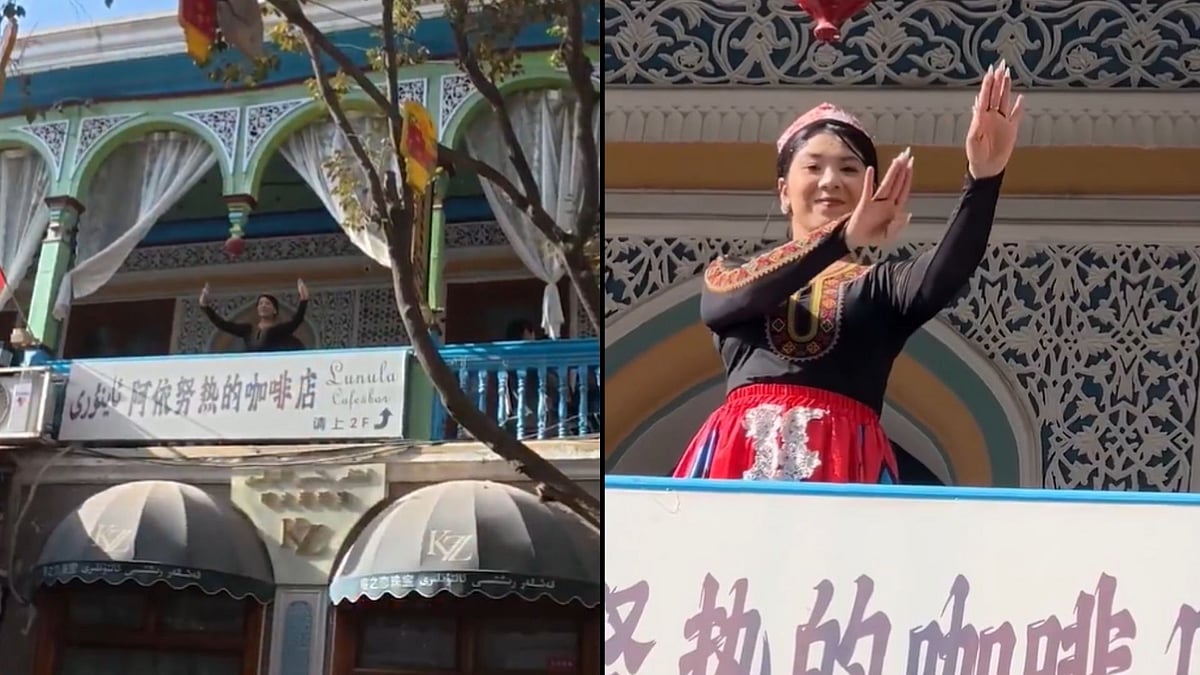
A Pakistani travel vlogger’s recent visit to Kashgar in China’s Xinjiang region has gone viral across South Asia, sparking intense discussions about religious freedom, cultural identity, and China’s policies toward Uyghur Muslims.
The video, filmed in the historic city of Kashgar, shows scenes that many viewers in Pakistan and India described as surprising and controversial. Known for its centuries-old Islamic heritage, Kashgar has long been regarded as one of the cultural heartlands of the Uyghur Muslim community.
Viral video from Kashgar draws attention online
In the now widely shared clip, the vlogger walks through Kashgar’s old neighbourhoods filled with traditional architecture, markets, and mosque-like structures. One moment in particular grabbed attention on social media.
Pointing toward a building resembling a mosque, the vlogger notices a woman dancing on an upper floor while the main gates below appear shut.
“This is the mosque… and this girl is dancing here,” he says in the video, sounding visibly surprised.
The visuals quickly spread online, with many users debating whether religious and cultural spaces in Xinjiang are being transformed into tourism-oriented attractions.
“98% Muslims, but no public prayers”
As the vlog continues, the Pakistani traveller claims that open religious activities appear heavily restricted in the region despite Kashgar’s overwhelmingly Muslim population.
“You will find 98% Muslims in Kashgar, but they are not allowed to pray publicly,” he says while recording crowded tourist streets and closed premises.
His comments reignited long-running international discussions about restrictions on Islamic practices in Xinjiang. Critics of Beijing have repeatedly alleged that several mosques in the region have either been renovated into cultural sites, placed under tight state control, or repurposed for tourism-related activities.
Kashgar, once famous for its vibrant bazaars and the sound of azaan echoing through its streets, has undergone massive redevelopment over the past decade under Chinese government initiatives.
Pakistan-China ties come under discussion
The viral footage also triggered conversations in Pakistan regarding the country’s close diplomatic and economic relationship with China.
Pakistan and China frequently describe their partnership as an “all-weather friendship,” largely strengthened through projects linked to the China-Pakistan Economic Corridor (CPEC), a key part of Beijing’s Belt and Road Initiative.
Over the years, Islamabad has often defended China on Xinjiang-related criticism raised by Western governments and human rights organisations. However, the Kashgar vlog prompted many Pakistani social media users to question whether economic interests should overshadow concerns surrounding religious freedoms.
Some users described the video as “eye-opening,” while others argued that the transformation of historic Uyghur neighbourhoods has altered the original identity of the city.
China defends policies in Xinjiang
Chinese authorities have consistently rejected allegations of religious oppression in Xinjiang. Beijing says its policies are aimed at curbing extremism, separatism, and terrorism while ensuring long-term stability and economic growth in the region.
China also promotes Xinjiang as a major cultural tourism destination, frequently showcasing Uyghur dance performances, music festivals, traditional food, and restored heritage sites to visitors.
At the same time, several international human rights groups and researchers have raised concerns over surveillance, restrictions on Islamic customs, limitations on public worship, and changes to religious institutions in the region.
<!– Published on: Thursday, May 21, 2026, 01:29 PM IST –>
<!–
–>
