
How a WeChat mini-program is helping China fine-tune drone regulation
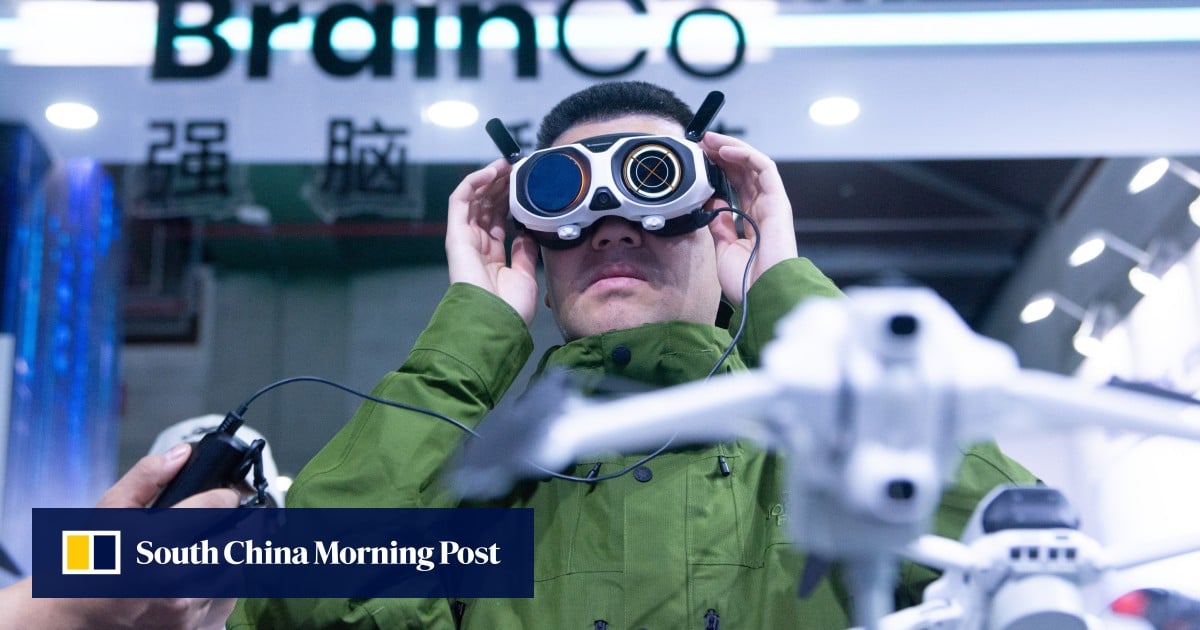
As drones become a common sight in China’s skies, authorities are shifting from one-size-fits-all regulation to a more nuanced approach as they seek to balance management of a rapidly growing fleet with the sector’s billion-dollar market ambitions.
The country is promoting a new drone-clearance model in designated areas in Shanghai and in the southwestern province of Sichuan, a few months after abruptly banning all drones in Beijing, the national capital.
A new WeChat mini-program – dubbed “scan-and-fly” – now offers a streamlined fast track for low-risk flights within designated pilot zones, Xinhua reported on Monday, quoting the central air traffic management office.
Advertisement
The millions of drones owned by Chinese businesses and individuals amid a nationwide tech frenzy are part of the “low-altitude economy”, a market worth 1.5 trillion yuan (US$221.8 billion) according to official figures, but unregulated flights are raising safety concerns and presenting authorities with a serious challenge.
The new platform allows users to view flying locations, altitude limits and aircraft specifications before logging their flights. The air traffic office pledged to promote the model with other departments to guide orderly and safe flying.
Advertisement
